


Retail Trading Shifts Between XRP and Ethereum on Coinbase in Q2
Estimated Reading Time: 3 minutes
Don’t invest unless you’re prepared to lose all the money you invest. This is a high-risk investment and you are unlikely to be protected if something goes wrong. Take 2 minutes to learn more

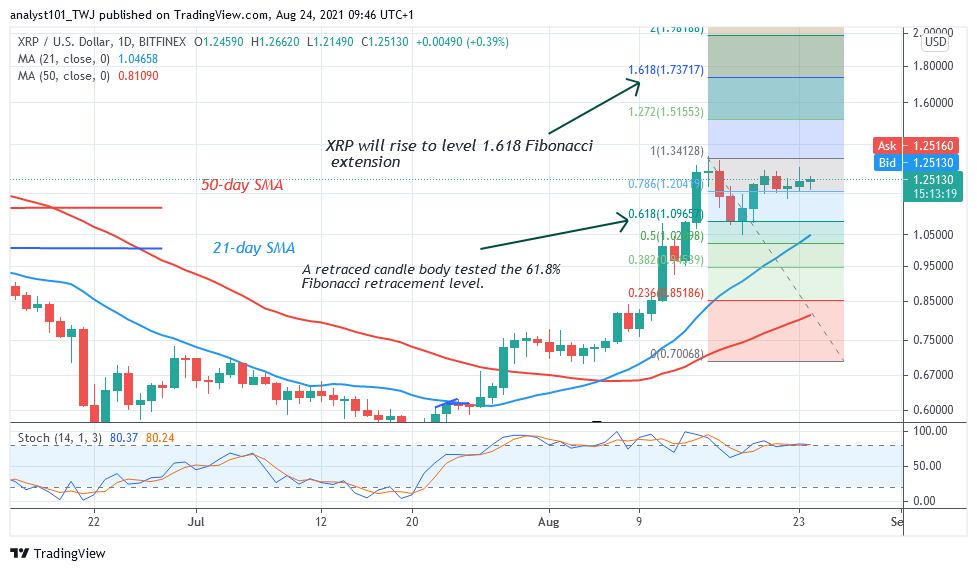
In Q2 of this year, Coinbase’s retail trading volumes fell significantly. However, the performance of XRP against Ethereum in terms of consumer transaction revenue suggests an increase in retail demand for the coin. Though the platform’s overall transaction revenue fell, XRP’s percentage of customer transactions rose, continuing a pattern that began earlier this year.
To this end, this shift highlights an interesting dynamic in the cryptocurrency market, with various factors influencing trading behaviors and preferences between Ethereum and XRP.
XRP’s Growing Consumer Revenue
In recent times, consumers’ overall trading volume saw a decline on Coinbase. However, XRP has managed to generate more revenue than Ethereum on Coinbase in the second quarter. XRP managed to account for 13% of the consumer transaction revenue, slightly ahead of Ethereum’s 12% contribution. To this end, this marks notable progress compared to consumers’ trading volume in Q1, where XRP held a lower share at 10%.
However, the impetus for this surge was the positive legal outcome for Ripple that saw the SEC drop its appeal in the case against the token. This gave traders more confidence in the token.
To this end, this legal clarity attracted value-focused retail traders, leading to XRP’s spike in Q1. However, in Q2, the price momentum for XRP started to slow down as Ethereum regained traction. This can be attributed to growing institutional demand and developments within the Ethereum ecosystem, such as the GENIUS Act and increased stablecoin activity, which fueled Ethereum’s recovery. Despite this, XRP’s retail-driven success showed how regulatory clarity and price momentum could significantly influence consumer behavior.
Ethereum’s Recovery and Institutional Boost
After struggling in Q1, Ethereum recovered in Q2, thanks to institutional interest. The price of Ethereum received much-needed support, especially through Ethereum ETFs.

However, this change was essential in drawing attention from Ethereum treasury firms as well as institutional inflows, which increased trust in the asset even more. Consequently, Ethereum’s price returned 38% in Q2, while XRP’s price returned 11%. Furthermore, Ethereum’s performance was revitalized by narratives surrounding tokenization and the wider ecosystem activities surrounding it. Investor confidence returned as price action and institutional flows picked up steam, particularly as ETF-related activity strengthened Ethereum’s ecosystem vitality.
Despite retail interest shifting toward Ethereum, it was the institutional demand that played a bigger role in Ethereum’s strong recovery in Q2.
In order to place winning trades with us via Bybit, you can open an account here.