


Past BTCUSD Bear Markets
Estimated Reading Time: 4 minutes
Don’t invest unless you’re prepared to lose all the money you invest. This is a high-risk investment and you are unlikely to be protected if something goes wrong. Take 2 minutes to learn more
Previous cryptocurrency winter is visited once more.
What has been the experience of Bitcoin in past bear markets?
Investments in technology can be a risky venture for three notable reasons.
The number one reason is that new inventions will initially cause some crises before people begin to see the benefits of such innovation. The birth of the internet took the world by surprise, but it was famous for pornography and scams.
The second reason is that the latest technologies usually appear like a solution to a problem until they start to transform things. Thirdly, they are volatile. Frankly, this is the fifth bear market in the cryptocurrency industry.
The First Bear Market
The first bear market occured in 2011. During this bear market, Bitcoin crashed from $32 to 1 cent. This crash was caused by a security compromise at the Mt. Gox exchange, which at its peak handled 80% of all BTC transactions. So, the security breaches at the exchange caused a crisis in the Bitcoin market. The exchange witnessed the theft of about 850,000 BTC.
The Second Bear Market
The 2nd bear market happened in April, when the crypto had surpassed the $100 threshold. By November of the same year, it had reached the $1,000 mark. However, after a month, Bitcoin crashed to $700, and was in a downward spiral until January 2015, when it reached $170. This crash was caused by China’s ban on BTC. This ban prohibits local financial organizations from interacting with Bitcoin.
The Third Bear Market
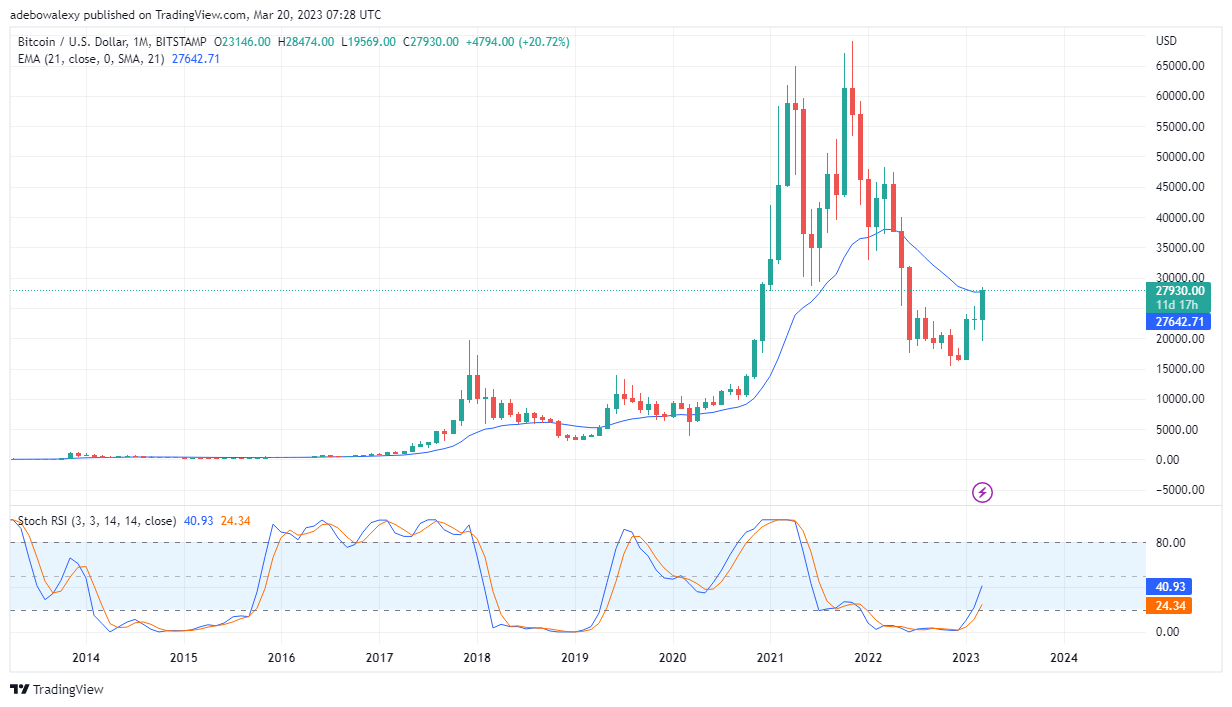
Bitcoin was worth $1,000 in January of 2017. However, by this time, Ethereum was becoming more popular. Several crypto projects took off at that time. Consequently, this resulted in a lot of speculative frenzies. In the last month of 2017 (December), Bitcoin was valued at $20,000. Afterward, BTC crashes significantly, by 60% before the end of February the following year (2018). This could be referred to as the first crypto winter as BTC crashed to roughly $3,200 by the last month of 2018 (December).
Also, when Coincheck, a Japanese crypto exchange, was hacked and about $530 million worth of cryptocurrency in NEM was stolen, the cryptocurrency market suffered a huge crisis as fear gripped the industry.
Furthermore, Google and Facebook began to ban crypto advertisements on their platforms, which aggravated the crisis in the sector.
The Fourth Bear Market
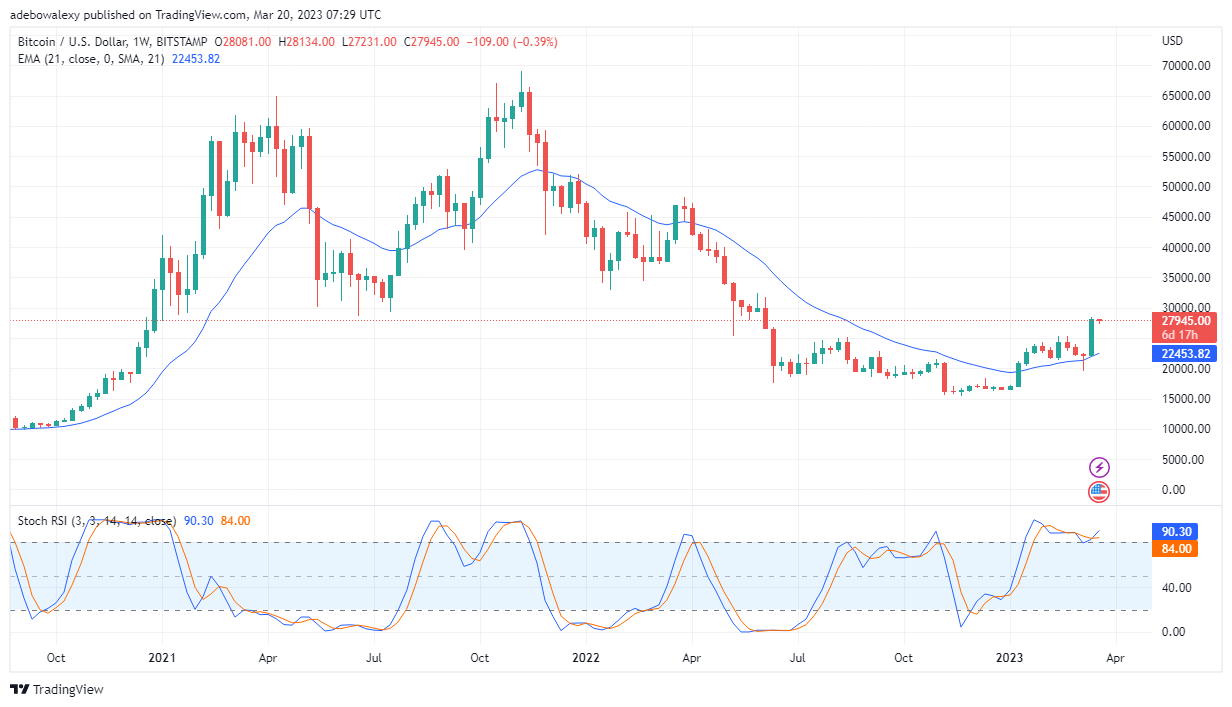
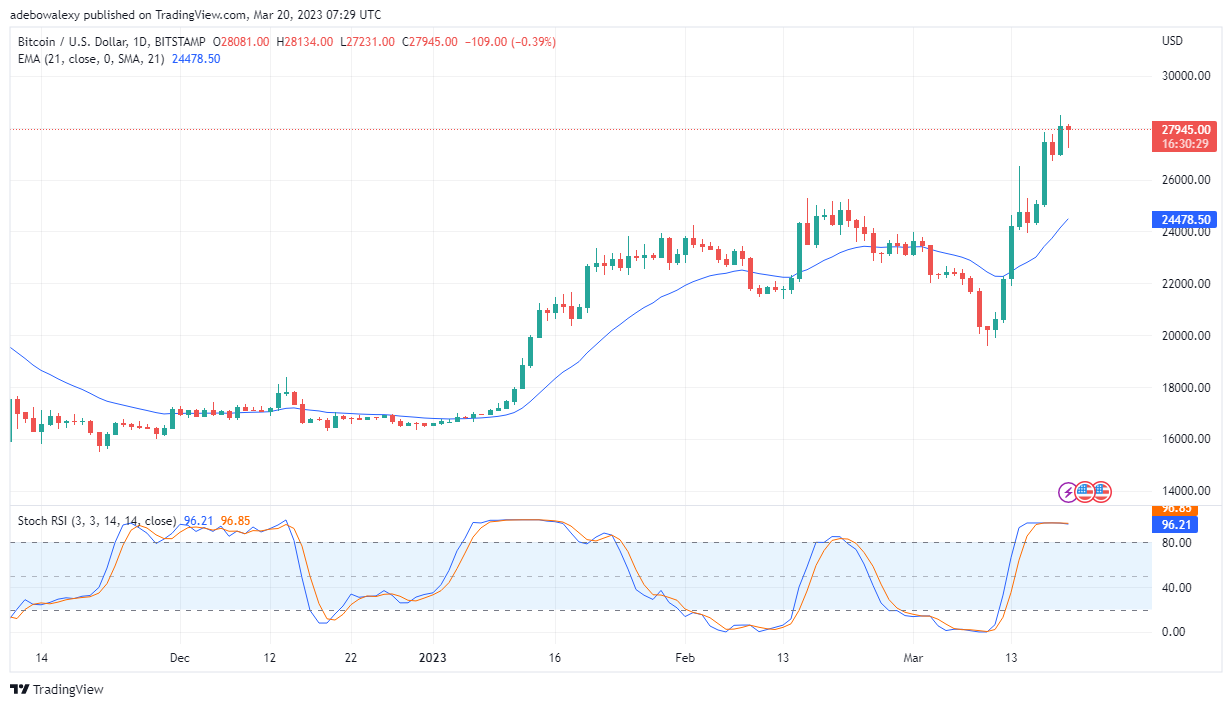
In 2020, BTC experienced a massive bull run, which saw the cryptocurrency surpass an all-time high of $20,000 to set a new record of $69,000 by April 2020. Nevertheless, before the middle of April, the crypto dropped to $29,000.
This happened because BTC mining came under scrutiny with the advent of ESG investments. Additionally, the panic increased in May, when Tesla removed BTC from their means of payment, mainly because the company’s CEO expressed the potential environmental concerns associated with BTC mining.
Furthermore, despite China’s crackdown on BTC mining, the crypto started an uptrend in July 2021, and it reached the $68,000 price mark.
The Fifth Bear Market
Another bear market started at the close of 2021, as Bitcoin’s price began dropping until it fell below the $20,000 mark by June of the following year. This hasn’t happened since 2020. Also, Terra Luna experienced a major crash, which erupted a great deal of panic in the crypto industry.