


Jeju Island’s Plan to Attract Gen Z Tourists with Crypto Cards
Estimated Reading Time: 3 minutes
Don’t invest unless you’re prepared to lose all the money you invest. This is a high-risk investment and you are unlikely to be protected if something goes wrong. Take 2 minutes to learn more

Jeju Island, a prominent tourist attraction in South Korea, plans to implement an innovative crypto solution to draw younger travelers. By launching Non-fungible token (NFT) tourist cards in 2025, the island aims to combine cutting-edge blockchain technology with tourism perks, catering specifically to Millennials and Generation Z.
As part of the plan, the island will subject these digital tourism cards to trial before a full rollout in the second half of the year.
Leveraging Technology to Enhance Tourism
Jeju Island’s introduction of NFT tourist cards represents a strategic shift to digital solutions to revitalize its tourism sector. These cards will offer incentives such as travel subsidies and discounts on tourist attractions, to boost the appeal for tech-savvy younger generations.
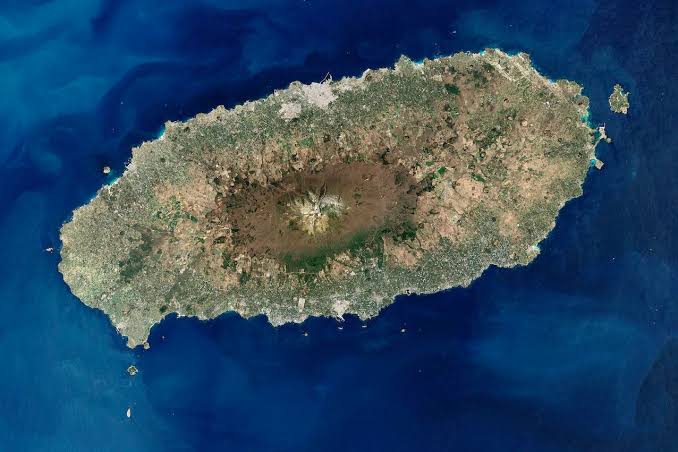
However, this is not Jeju’s first blockchain initiative; in 2021, the island launched a blockchain-based COVID-19 contact tracing app, showcasing its openness to adopting emerging technologies.
Additionally, discussions held in March 2024 explored NFT applications beyond tourism, such as museums, restaurants, and the fishing industry. These steps emphasize Jeju’s commitment to integrating blockchain into its economy.
South Korea’s Expanding Crypto Ecosystem
At present, the initiative aligns with South Korea’s growing adoption of blockchain and crypto technologies. As of November 2024, the number of crypto users in the country had surged to 15.6 million; this represents about 30% of the population and an increase of 610,000 users within a month.
In addition, NFT sales volumes reached $8.83 billion in 2024, surpassing 2023’s figures by $100 million, though still falling short of the $23.7 billion peak in 2022. These figures underscore the rising popularity of digital assets among South Koreans, particularly younger folks.
To this end, Jeju Island’s NFT tourist card initiative blends blockchain innovation with tourism incentives to attract Millennials and Gen Z. By capitalizing on South Korea’s increasing crypto adoption, Jeju aims to position itself as a forward-thinking, tech-driven tourist hotspot.
In order to place winning trades with us via Bybit, you can open an account here.