


Blockchain Associations Files Lawsuit Against IRS New Crypto Brokers’ Rules
Estimated Reading Time: 3 minutes
Don’t invest unless you’re prepared to lose all the money you invest. This is a high-risk investment and you are unlikely to be protected if something goes wrong. Take 2 minutes to learn more
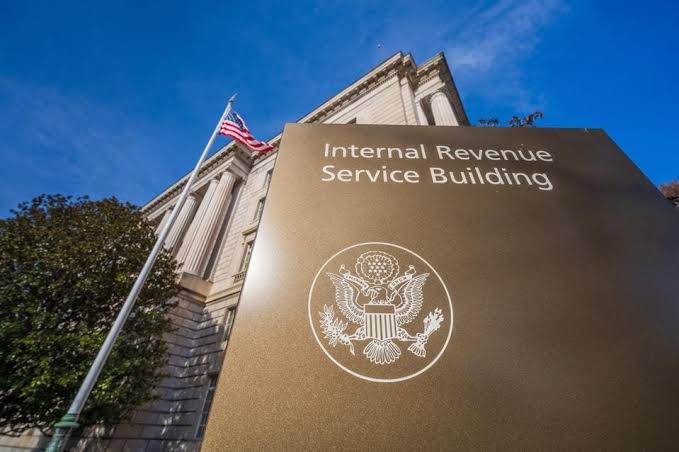
New regulations aimed at digital asset transactions have been introduced by the Internal Revenue Service (IRS) of the United States. This is done to maintain tax compliance, as these rules are scheduled to go into force in 2027. It mandates that brokers disclose sales of digital assets, including user information.
However, crypto supporters view this action as a danger to privacy and innovation, despite the IRS’s assertion that it will increase transparency.
In response, groups like the Blockchain Association and Texas Blockchain Council have taken to their X (formerly Twitter) on the 28th of December, expressing their feelings. To this end, the blockchain associations are suing the IRS, arguing that the rules overstep legal boundaries.
IRS Rules for Brokers in the Crypto World
As of the 27th of December, the IRS has broadened the definition of “broker” to encompass platforms such as decentralized finance (DeFi) platforms and decentralized exchanges (DEXs).
In light of this, DeFi platforms may need to notify the IRS of a user’s activities if they enable transactions or exercise control over them. However, critics counter that this treats software engineers like financial middlemen, unfairly burdening them.

As a result, these new regulations may deter blockchain technology innovation and cause developers to be reluctant to create platforms if their job entails onerous compliance obligations. Additionally, the IRS’s expansive definition of “broker” may deter blockchain and DeFi initiatives from the US, pushing innovation abroad.
Concerns About Privacy and Legal Challenges
The Blockchain Association and other crypto-related organizations are retaliating against these new guidelines. They contend that these regulations violate current legislation and may harm the country’s position in the cryptocurrency industry.
To this end, crypto proponents caution that penalizing developers based on how users use their tools is risky and may impede innovation, citing instances such as the imprisonment of Tornado Cash developer Alex Pertsev.
Privacy advocates argue that these laws violate users’ rights by requiring platforms to share sensitive data, emphasizing that decentralized systems should prioritize user control and privacy. However, the IRS’s decision violates this concept. Legal professionals are concerned that these rules would harm the growing decentralized finance industry and deter users from using these platforms.
The IRS’s new crypto regulations have triggered a contentious discussion about privacy, innovation, and regulation. To this end, critics contend that these laws, intended to assure tax compliance, may affect innovation in the United States, violating user privacy. Finally, the future of blockchain innovation and decentralized finance (DeFi) in the U.S. is up in the air as legal disputes continue.
In order to place winning trades with us via Bybit, you can open an account here.