


Sub-Saharan Africa Emerges as Third-Fastest Region for Crypto Growth — Chainalysis
Estimated Reading Time: 4 minutes
Don’t invest unless you’re prepared to lose all the money you invest. This is a high-risk investment and you are unlikely to be protected if something goes wrong. Take 2 minutes to learn more

Sub-Saharan Africa has been identified as the third-fastest growing region in global cryptocurrency adoption, according to a new report by blockchain analytics firm Chainalysis. The findings highlight how the region continues to embrace crypto as a practical solution amid persistent economic challenges, including currency devaluation and limited access to traditional financial systems.
Between July 2024 and June 2025, Sub-Saharan Africa recorded $205 billion in on-chain transaction value, marking a 52% year-over-year increase. This surge places the region just behind Asia-Pacific and Latin America in terms of growth.
The report also points to a notable rise in institutional adoption, largely driven by stablecoin transactions that facilitate high-value transfers across Africa, the Middle East, and Asia. Within the region, Nigeria stood out as the leading hub for institutional activity, processing $92.1 billion in crypto value over the 12-month period.
Chainalysis attributes Nigeria’s dominance to a combination of factors, including its large, tech-oriented youth population, high inflation, and restricted foreign currency access, which make stablecoins a preferred financial tool.
Meanwhile, South Africa is carving its niche with a progressive regulatory framework that has nurtured a sophisticated institutional crypto environment. The report notes that many established financial players in the country are now transitioning from exploratory engagement to offering custody and related crypto services, signaling the maturation of the regional digital asset market.
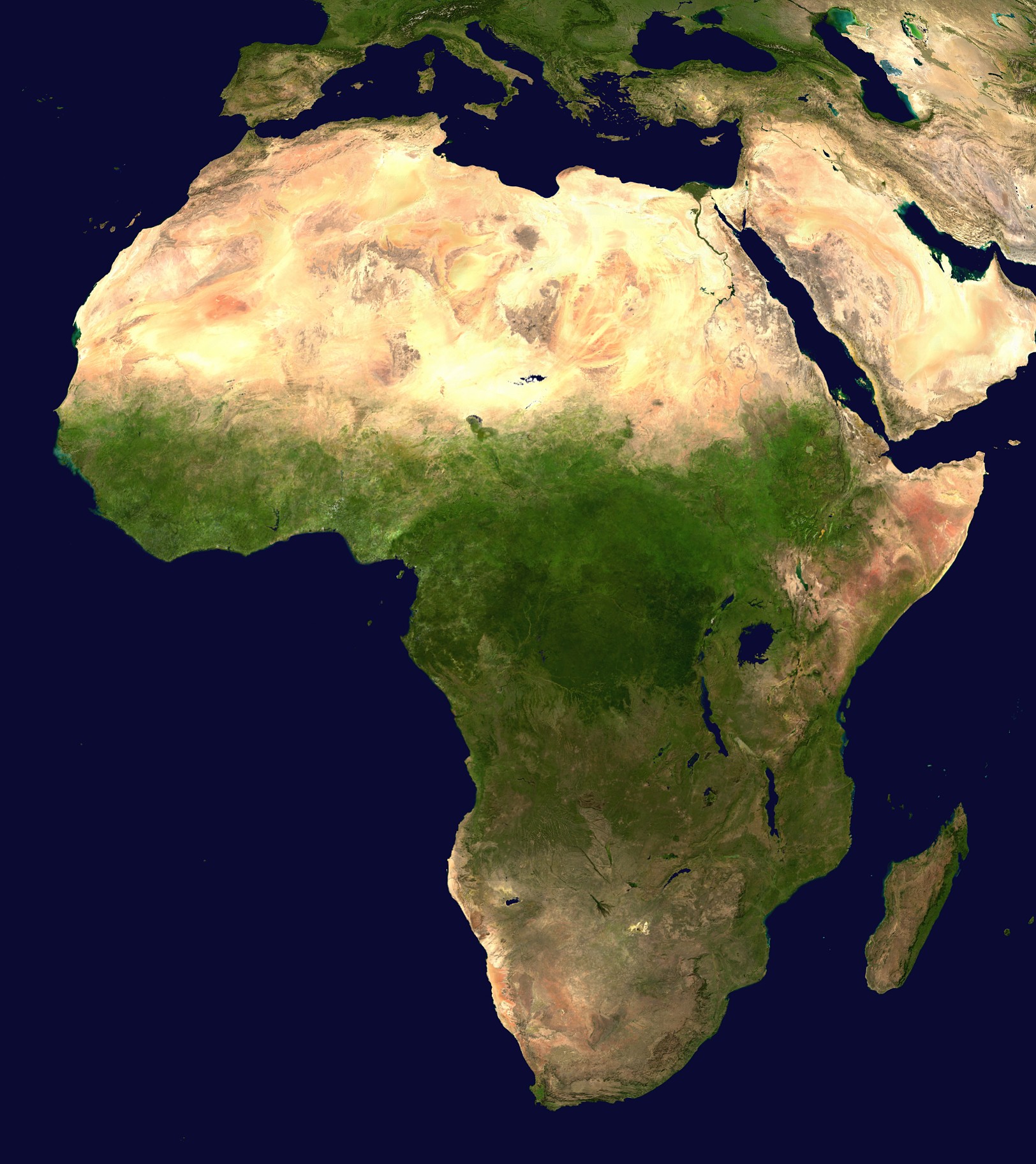
Retail Crypto Adoption Driven by Real-World Needs in Sub-Saharan Africa
According to the latest Chainalysis report, retail cryptocurrency use in Sub-Saharan Africa is growing faster than in any other region, with the majority of activity centered on practical, real-world applications rather than speculation or investment.
During the review period, transactions worth $10,000 or less accounted for over 8% of all crypto transfers in the region—compared to just 6% globally. This trend underscores how individuals and small businesses across Sub-Saharan Africa are leveraging crypto for everyday needs such as payments, remittances, and savings.
The region’s unique economic realities continue to make crypto adoption both necessary and strategic. Many communities face limited access to traditional banking services, rapidly depreciating local currencies, persistent inflation, and a scarcity of U.S. dollars—factors that have made USD-pegged stablecoins an increasingly attractive alternative.
In its earlier report (July 2023–June 2024), Chainalysis highlighted how fiat currency devaluation drove the surge in stablecoin usage, with these digital assets representing 43% of the region’s total crypto transaction volume. The growing difficulty in obtaining physical dollars further reinforced stablecoins as a practical hedge against inflation.
Unlike other parts of the world where crypto is often viewed as an investment vehicle or yield-generating asset, Sub-Saharan Africa’s financial pressures are pushing adoption through necessity—encouraging the use of crypto for payments, savings, and cross-border trade.
Eli Ben-Sasson, co-founder and CEO of StarkWare, emphasized Africa’s crucial role in the next wave of crypto adoption. He noted that the continent’s distinctive challenges make it an ideal testing ground for blockchain solutions—not just in finance, but also in tackling broader issues such as energy insecurity and infrastructure inefficiencies.