


Cross vs. Isolated Margin: Your Choice Shaping Risk in Perpetual Trading
Estimated Reading Time: 5 minutes
Don’t invest unless you’re prepared to lose all the money you invest. This is a high-risk investment and you are unlikely to be protected if something goes wrong. Take 2 minutes to learn more

- Cross margin pools your whole balance to avoid liquidation; isolated margin limits risk to a single trade.
- Cross margin works best for flexible, multi-position setups; isolated margin is ideal for precise, high-risk trades.
- Experienced traders combine both modes to balance capital flexibility with strict loss limits.
Leverage can amplify profits, but it can also magnify losses. In perpetual futures trading, one of the first risk-management decisions traders must make is whether to use cross margin or isolated margin. While both methods allow traders to open leveraged positions, they differ significantly in how they manage collateral and liquidation risk.
Understanding these differences can help traders better protect their capital and align their trading strategy with their risk tolerance.
Why Margin Choice Matters in Perpetual Trading
Perpetual trading offers traders the opportunity to amplify their market exposure through leverage, but it also introduces a critical challenge: managing risk. A trader’s choice of margin mode can significantly influence how losses are handled during volatile market conditions.
Cross margin spreads risk across the trader’s entire account balance, which can help prevent the immediate liquidation of a position. However, this comes with a downside. If a trade moves sharply against the trader, losses can extend beyond a single position and consume a substantial portion of the account’s available funds.
Isolated margin takes the opposite approach by limiting risk to the amount allocated to a specific position. While this protects the rest of the account from being affected, positions are generally more vulnerable to liquidation because they cannot draw additional funds from the trader’s overall balance.
As a result, choosing between cross and isolated margin is not simply a matter of preference—it is a decision that directly affects risk exposure, liquidation potential, and capital preservation.
How Smart Traders Use Cross and Isolated Margin
When used correctly, both cross and isolated margin can significantly improve a trader’s performance and risk control in perpetual trading.
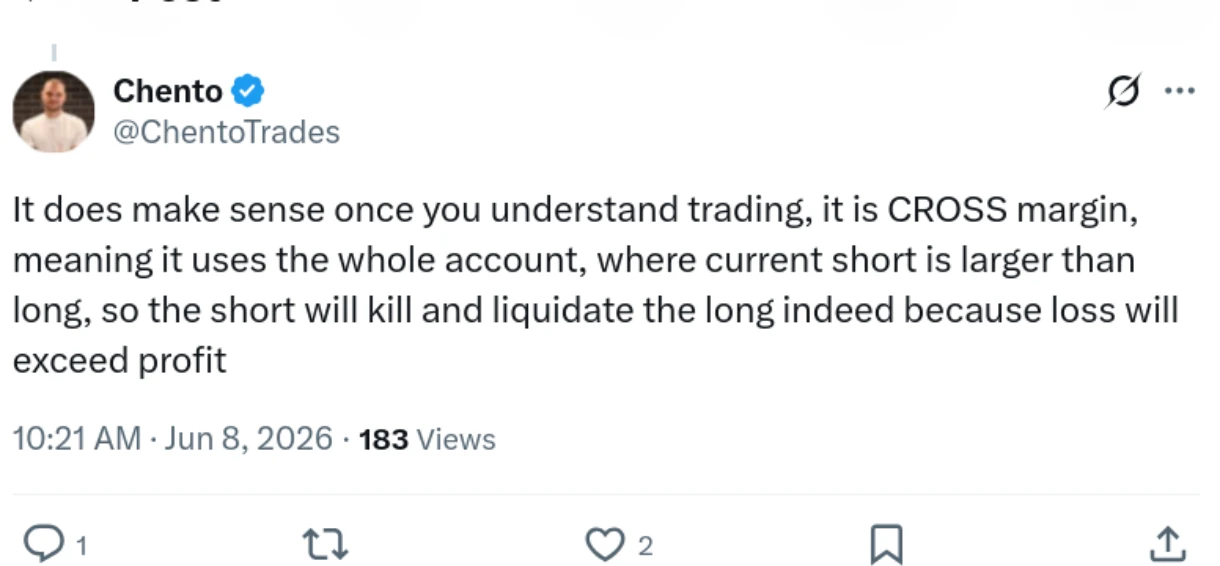
Cross margin is most effective for experienced traders managing multiple positions or broader market exposure. By pooling available balance as collateral, it allows profitable trades to offset temporary losses elsewhere in the account. This flexibility can reduce premature liquidations during short-term volatility and help traders stay in positions long enough for their analysis to play out. In strong but fluctuating trends, cross margin can support more stable capital utilization.
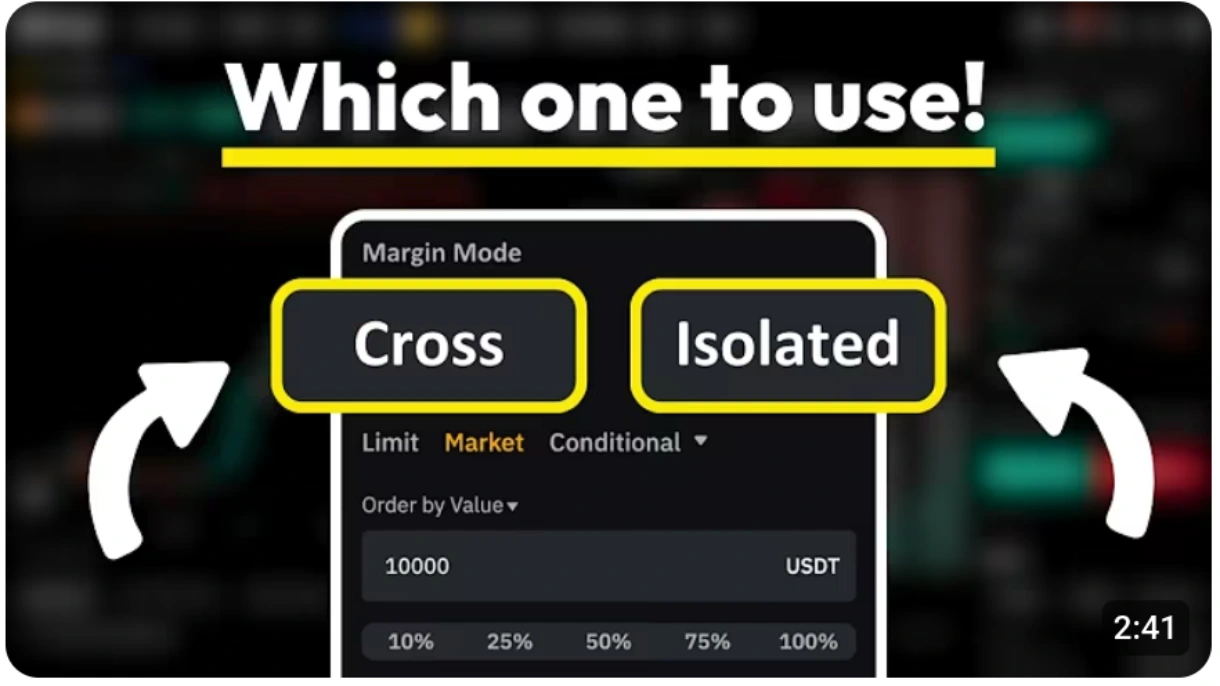
Isolated margin, on the other hand, is ideal for precision risk control. It allows traders to define their maximum loss per trade upfront, making it especially useful for beginners or for high-risk, speculative setups. If a trade goes wrong, only the allocated margin is affected, preserving the rest of the account. This structure encourages disciplined trading and prevents one poor decision from damaging overall capital.
In practice, skilled traders often combine both modes—using isolated margin for high-risk entries and cross margin for higher-conviction setups—creating a balanced approach to risk and capital efficiency.
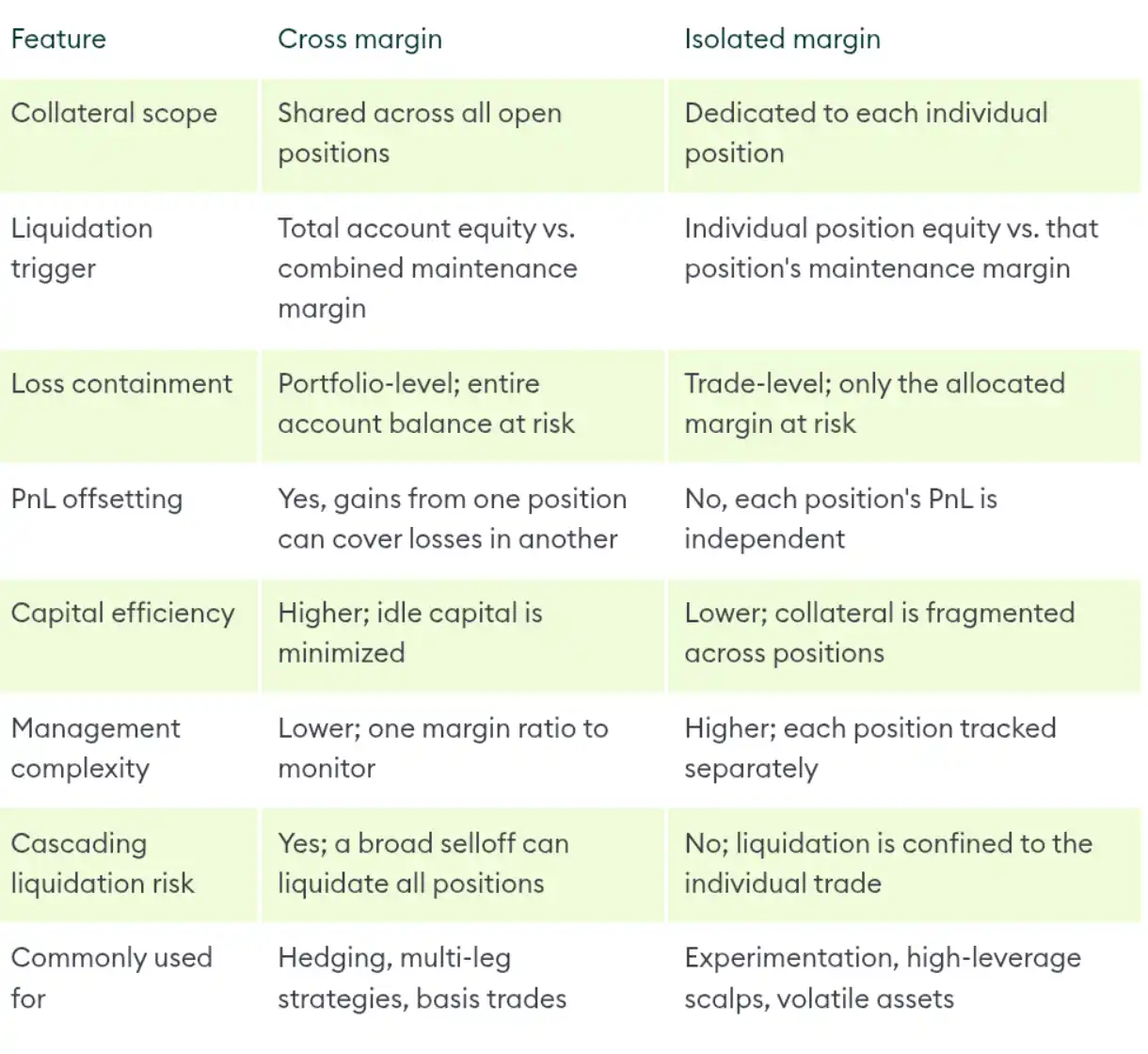
Side-by-side Comparison of Cross Margin and Isolated Margin
Finding Your Balance: Cross vs. Isolated Margin
Choosing between cross and isolated margin ultimately comes down to your trading style and risk tolerance. Cross margin offers flexibility and a buffer against short-term volatility by pooling your account’s entire balance, making it ideal for experienced traders managing complex, multi-position strategies.
Conversely, isolated margin provides strict precision and peace of mind by capping your risk to a specific position, protecting the rest of your capital from sudden market swings. Ultimately, mastering perpetual trading means knowing when to leverage the collective safety net of cross margin or the disciplined boundaries of isolated margin to protect your bottom line.