Understanding Asset Tokenization and Its Mechanism
Estimated Reading Time: 6 minutes
Don’t invest unless you’re prepared to lose all the money you invest. This is a high-risk investment and you are unlikely to be protected if something goes wrong. Take 2 minutes to learn more
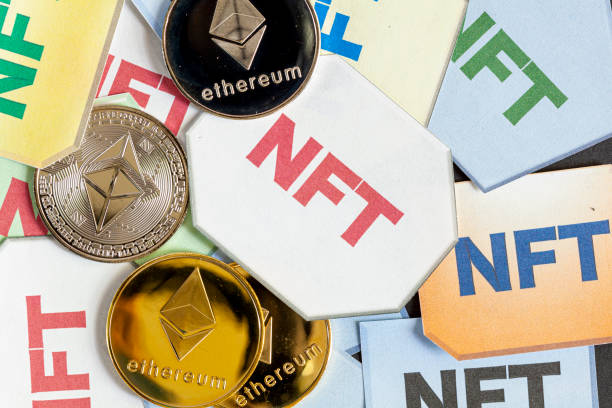
Asset tokenization is the process of converting ownership rights of an asset into digital tokens recorded on a blockchain. These tokens function as digital proof of ownership and can represent a wide range of assets, including physical, digital, fungible, and non-fungible assets. Since they are secured on a blockchain, asset holders retain full control, provided they store their tokens in a secure crypto wallet.
How Asset Tokenization Functions
Tokenization integrates multiple financial processes—such as origination, distribution, trading, clearing, settlement, and custody—into a single blockchain-based layer, enhancing efficiency and transparency. The process of tokenizing assets involves key steps, including determining whether the token should be fungible or non-fungible, choosing a blockchain platform for issuance, appointing an independent auditor for off-chain asset verification, and executing the issuance. Because blockchain networks operate decentralized, asset ownership records remain tamper-proof and transparent, reinforcing trust in the system’s reliability and security.

Steps to Creating a Tokenized Asset
Select the Asset – Identify the asset to be tokenized, which could range from equities, commodities, and currencies to fine art, securities, carbon credits, or intellectual property.
Define the Token Type – Determine key aspects such as the token standard (e.g., ERC-20, ERC-721, ERC-1155), the total supply, the minting mechanism, and any additional parameters or governance rules.
Choose the Blockchain – Select a blockchain based on the asset’s specific requirements. Factors to consider include whether to issue tokens on a public or permissioned blockchain or whether to develop a custom network or rollup framework.
Verify Off-Chain Assets – Establish secure off-chain data connections using Chainlink services. Chainlink Proof of Reserve can verify collateralization, while Chainlink Price Feeds help maintain fair and transparent market values. For cross-chain asset transfers, Chainlink Cross-Chain Interoperability Protocol (CCIP) ensures that essential data—such as pricing, net asset value (NAV), and identity information—remains synchronized across different blockchains, maintaining a Unified Golden Record.
Ensure Secure Token Minting – Enhance security and transparency with Chainlink Proof of Reserve Secure Mint, which cryptographically guarantees that newly minted tokens are fully backed by reserves. This decentralized verification mechanism prevents the unauthorized creation of unbacked tokens, ensuring trust in the tokenized asset.
Examples of Tokenized Real-World Assets
Tokenization of Physical Assets – Tangible assets such as fiat currency, equities, treasury bills, credit, commodities, carbon credits, intellectual property, and fine art can be converted into digital tokens and secured on a blockchain. Similar to traditional bearer instruments like gold bullion warrants or property deeds, these tokens grant holders ownership rights over real-world assets. However, unlike conventional bearer assets, tokenized physical assets can be seamlessly stored, traded, and used as collateral within blockchain ecosystems.
Tokenization of Digital Assets – Some assets exist solely in digital form within blockchain networks, making their tokenization essential for Web3 applications. Examples include digital representations of governance rights in decentralized autonomous organizations (DAOs) and cross-chain assets. Since these assets are natively digital, token holders possess direct ownership rather than merely holding a claim to an underlying asset.
Tokenization of In-Game Assets – A specialized category of digital asset tokenization, in-game assets from GameFi platforms and metaverse environments—such as character skins, weapons, and virtual currencies—can be represented as blockchain-based tokens. This approach enhances asset ownership, transferability, and interoperability within gaming ecosystems.
Advantages of Asset Tokenization
Beyond providing a decentralized and trust-minimized alternative to traditional assets, investment vehicles, and services, asset tokenization unlocks numerous additional benefits. By leveraging blockchain technology, real-world asset tokenization enhances asset accessibility, utility, and value while also integrating off-chain data into the DeFi ecosystem for greater functionality.

Enhanced Liquidity
Tokenization transforms traditionally illiquid assets into more liquid investments by enabling fractional ownership. An asset can be divided into millions or even billions of tokens, which can then be listed on widely accessible exchanges. This process broadens the investor base, removes reliance on expensive intermediaries, and ensures each token remains directly linked to a specific underlying asset.
Greater Transparency
Blockchain-based tokenization ensures transparent ownership tracking and, depending on smart contract functionality enables users to verify interest or dividend returns. With immutable provenance records, investment security risks are minimized, reducing reliance on third-party record-keeping. This enhanced transparency can significantly mitigate fraud in industries prone to counterfeiting, such as luxury goods, fine wines, high-end fashion, and fine art.
Defi Composability
One of the most transformative yet underexplored advantages of asset tokenization is its synergy with the decentralized finance (DeFi) ecosystem. Tokenized real-world assets can be integrated into decentralized money markets, allowing investors to earn a share of interest generated from off-chain collateral. This not only boosts liquidity within the DeFi space but also democratizes access to investment opportunities traditionally reserved for institutional investors.
Closing Thoughts
Although still in its early stages, asset tokenization stands as one of the most promising and high-impact applications of blockchain technology. However, its true potential can only be realized with the support of secure and decentralized oracle networks like Chainlink. Without reliable oracles, on-chain tokenization remains vulnerable to centralization risks and limited real-world utility, undermining its fundamental value proposition. By integrating Chainlink’s decentralized oracles, asset tokenization can seamlessly connect with real-world data, ensuring transparency, security, and broader adoption across global markets.