


BRICS Payment System: A Digital Alternative to SWIFT?
Estimated Reading Time: 3 minutes
Don’t invest unless you’re prepared to lose all the money you invest. This is a high-risk investment and you are unlikely to be protected if something goes wrong. Take 2 minutes to learn more

Russian Finance Minister Anton Siluanov provided a glimpse into the future of global finance at the Kazan summit. The new BRICS payment system, he revealed, is designed to be a cutting-edge platform capable of handling both traditional and digital assets, as well as secure financial messaging.
BRICS Considers Digital Assets for New Multicurrency Payment System
At the recent BRICS summit in Kazan, a proposal was discussed to establish a multicurrency payment system that would integrate digital financial assets with traditional financial networks. Russian Finance Minister Anton Siluanov provided insight into how this system could function, describing it as an innovative approach to reducing reliance on the U.S. dollar.
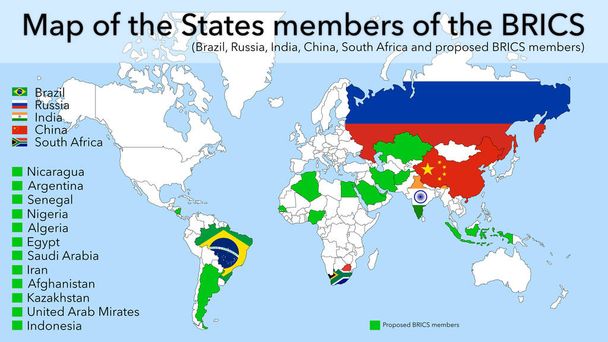
During the summit, which included members Brazil, Russia, India, China, South Africa, as well as Egypt, Ethiopia, Iran, Saudi Arabia, and the UAE, Siluanov reportedly described the system as one that could replace traditional banking organizations in some respects. He outlined that the system would also feature a mechanism for transmitting financial messages, suggesting it could serve as an alternative to the SWIFT network, which currently dominates cross-border financial messaging.
Siluanov explained that this new system would go beyond conventional messaging features by incorporating digital financial assets (DFAs). He emphasized that the system was being designed with modern formats and approaches, incorporating digital assets as a core component.
Meanwhile, SWIFT has also been testing its own digital asset messaging capabilities, focusing on integrating central bank digital currencies. In September, SWIFT announced that it was in the early stages of testing these new features.
Earlier this year, Russian President Vladimir Putin signed legislation that bans the use of digital assets for domestic payments but allows their application in international settlements. Digital financial assets in Russia include items like tokenized metals and central bank digital currencies (CBDCs), which could be useful for international transactions.
Siluanov underscored the importance of developing this system, especially given what he described as the politicization of current financial messaging platforms—a central topic during the BRICS discussions.
Commentary: The integration of digital financial assets in BRICS’ proposed payment system could pave the way for central bank digital currencies and tokenized assets like gold to support international trade. If adopted, such assets might play a prominent role in commodity trading within BRICS countries, potentially helping these nations mitigate sanctions and facilitate a more resilient medium of exchange across borders.