Crypto’s Adoption Paradox: Why Institutional Interest Isn’t Preventing a Market Sell-Off
Estimated Reading Time: 5 minutes
Don’t invest unless you’re prepared to lose all the money you invest. This is a high-risk investment and you are unlikely to be protected if something goes wrong. Take 2 minutes to learn more

Crypto adoption continues to expand, but cryptocurrency prices are sending a different message. As financial institutions explore blockchain technology, tokenized assets and digital payments, Bitcoin and Ethereum have come under renewed selling pressure. The contradiction raises an important question for investors: if traditional finance is embracing crypto infrastructure, why are digital asset prices falling?
The answer lies in the difference between long-term adoption and short-term market demand. Institutional interest may support the industry’s future, but it cannot shield cryptocurrency prices from inflation fears, capital outflows and weakening investor confidence.
Why Is the Crypto Market Falling?
Macroeconomic uncertainty is one of the biggest pressures facing digital assets. According to Binance Research’s November 2026 report, the total cryptocurrency market capitalization fell 9.1% to approximately $2.70 trillion in October. The report linked the decline to hotter inflation, rising expectations of a December US Federal Reserve rate hike and concerns about technology companies’ spending.

Source: create.vista.com / cryptosignals
Higher interest rates can make cash and traditional fixed-income investments more attractive relative to volatile assets such as Bitcoin. They can also increase borrowing costs, encouraging investors to reduce risk.
Institutional investment flows have added to the pressure. Binance Research reported approximately $516 million in net outflows from US spot Bitcoin exchange-traded funds (ETFs) and $1.6 billion from Ether ETFs during October. These withdrawals indicate that demand through these investment products weakened during the period.
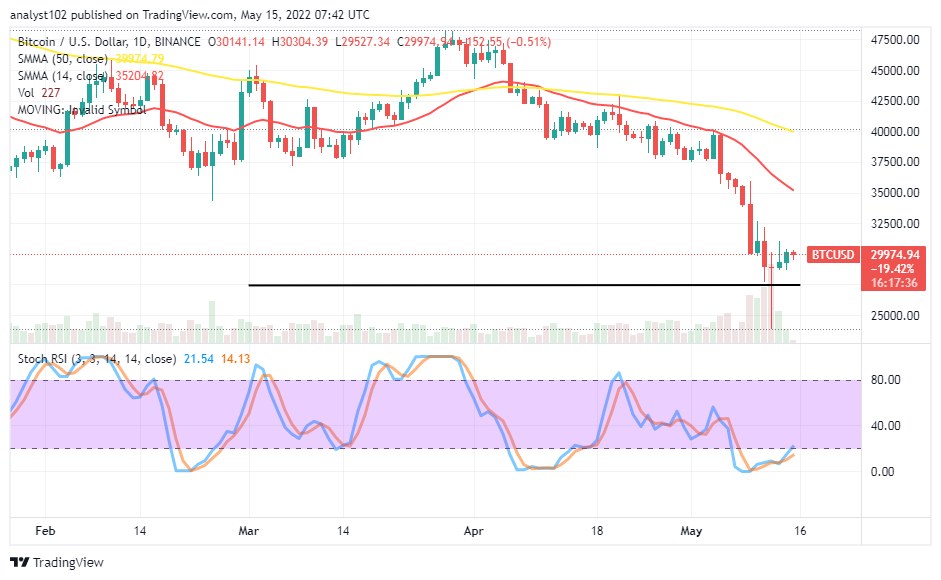
The sell-off continued into November. Reuters reported that Bitcoin fell to $73,708 on November 8, its lowest level since August, while Ether dropped to $2,223. Political uncertainty and security concerns also contributed to the market decline.
Another factor is leveraged trading. When prices fall sharply, traders using borrowed funds may face forced liquidations. These sales can push prices lower, trigger further liquidations and intensify an existing downturn.
Why Institutional Adoption Has Not Stopped the Decline
Growing institutional adoption does not necessarily mean institutions are buying more Bitcoin or Ether every day.
Banks, asset managers and financial service providers are increasingly exploring blockchain for custody, payments, settlement and tokenized securities. These projects can continue developing even when cryptocurrency markets are struggling.
For example, tokenization allows financial assets such as government bonds, funds and shares to be represented on blockchain networks. Financial institutions may pursue these systems to improve settlement efficiency or develop new services, rather than to speculate on cryptocurrency prices.
This distinction matters because blockchain adoption does not automatically create demand for every associated token. A financial institution can develop a blockchain-based service without purchasing substantial amounts of Bitcoin or Ether.
Institutional adoption is therefore a longer-term indicator of industry development, while prices and ETF flows reflect changing demand, liquidity and investor positioning.
What Should Investors Expect Next?
The market’s next direction will depend partly on inflation data, Federal Reserve expectations and whether investment flows stabilize. Sustained ETF inflows could indicate renewed demand, while continued withdrawals may signal that investors remain cautious.
Investors should also watch for signs that leveraged positions are being cleared and that selling pressure is easing. However, a sharp decline does not guarantee an immediate recovery. Further economic uncertainty or forced liquidations could extend the downturn.
For long-term investors, the current environment highlights the importance of separating market sentiment from genuine industry progress. Monitoring stablecoin usage, tokenized asset growth and real blockchain activity can help assess whether adoption is translating into practical economic value.
Investors should also evaluate whether that activity benefits a specific cryptocurrency before assuming its price will rise. Diversification, careful position sizing and avoiding excessive leverage can help manage risk during periods of volatility.
The Bigger Picture
Crypto’s adoption paradox reflects two different forces: financial institutions are exploring blockchain’s long-term potential, while investors respond to immediate economic pressures and changing market conditions.