



Altcoins Season: What Does it Hold for Crypto Exchanges?
Estimated Reading Time: 6 minutes
Don’t invest unless you’re prepared to lose all the money you invest. This is a high-risk investment and you are unlikely to be protected if something goes wrong. Take 2 minutes to learn more
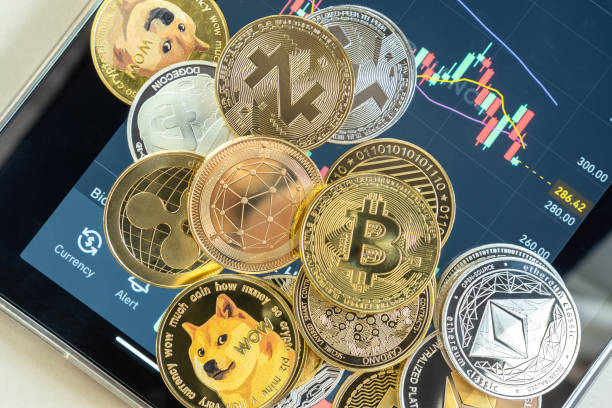
The cryptocurrency market, much like traditional financial markets, experiences cyclical trends. One such trend is the highly anticipated “altcoin season.” During these periods of heightened bullish sentiment, investors flock to altcoins beyond Bitcoin, seeking out potential gems like Ethereum, Dogecoin, Shiba Inu, and Solana.
As investor interest surges, cryptocurrency exchanges find themselves at the epicenter of this digital gold rush. Increased trading volumes of altcoins translate to enhanced revenue opportunities, making it imperative for exchanges to stay attuned to these market dynamics.
In this exploration, we’ll delve into the intricacies of altcoin season, examining its key indicators and unraveling the reasons behind its captivating allure.
The Altcoin Rally: When Altcoins Outshine Bitcoin
Altcoin season, or altseason, is a captivating period in the cryptocurrency market when alternative coins, or altcoins, experience a surge in popularity and value. This phenomenon occurs when investor interest shifts away from Bitcoin, the dominant cryptocurrency, and towards a diverse range of altcoins.
Throughout the season, trading activity for altcoins intensifies, leading to significant price increases. In many cases, the price appreciation of these alternative cryptocurrencies outpaces that of Bitcoin itself.
The Rise of the Altcoins: Historical Examples
While the cryptocurrency market is inherently volatile, historical data provides compelling evidence of recurring altcoin seasons. These periods, characterized by a surge in the popularity and value of alternative cryptocurrencies, have shaped the industry’s landscape.
The 2017-2018 Altcoin Boom
One of the most notable altcoin seasons occurred between late 2017 and early 2018. During this time, Bitcoin’s dominance declined significantly, from 86.3% to 38.69%, as its price plummeted from over $20,000 to below $6,000. This decline paved the way for altcoins to gain prominence and value within the crypto market.
A key driver of this altcoin season was the proliferation of Initial Coin Offerings (ICOs). Numerous blockchain projects launched token sales, raising substantial amounts of capital. Tezos and EOS, two of the most prominent ICOs of the era, secured $232 million and $4.1 billion, respectively.
Early 2021
The COVID-19 pandemic ushered in a new era of digital innovation and investment. As traditional markets faced uncertainty, investors turned to cryptocurrencies as a potential hedge against economic volatility. This renewed interest extended beyond Bitcoin, fueling the rise of altcoins.
In early 2021, enthusiasm swept through the crypto community, particularly for non-fungible tokens (NFTs), decentralized finance (DeFi) projects, and memecoins like Shiba Inu and Solana. This surge in demand led to a significant shift in market dominance. Bitcoin’s dominance fell from 70% to 38%, while altcoins collectively gained market share, rising from 30% to 62%.
This period highlights the key factors that often trigger altcoin seasons: increased investor interest in digital assets beyond Bitcoin, advancements in blockchain technology, and the emergence of innovative blockchain projects.
How does Altcoin Season Impact Exchanges?
Altcoin seasons present a unique opportunity for cryptocurrency exchanges to boost revenue and attract new users. By strategically positioning your platform, you can capitalize on the increased trading activity and investor interest that characterize these periods.
Harnessing the Power of Increased Trading Activity
During altcoin seasons, the buying, selling, and trading of altcoins intensifies. This surge in trading activity can lead to increased liquidity on your exchange, facilitating smoother transactions and potentially reducing slippage. However, it’s important to be prepared for heightened price volatility, which can both present opportunities and risks.
Expanding Trading Pair Offerings
To attract a wider range of investors and traders, consider expanding your platform’s trading pair offerings. As investors seek to diversify their portfolios and capitalize on arbitrage opportunities, providing access to a diverse array of altcoins can significantly boost trading volume.
Maximizing Revenue During Altcoin Season
A key benefit of altcoin season is the potential for increased revenue. As trading activity surges, exchanges can capitalize on higher transaction fees. Additionally, the influx of new tokens during these periods presents an opportunity to generate revenue through listing fees.

Strengthening Market Position and Attracting New Users
The cryptocurrency market is highly competitive, and exchanges must differentiate themselves to attract and retain users. Altcoin seasons offer a prime opportunity to strengthen the market position.
By providing a diverse range of trading pairs and actively promoting altcoins through targeted marketing campaigns, exchanges can attract a wider audience of traders and investors. Additionally, educating newcomers about the fundamentals of cryptocurrencies and the benefits of altcoins can foster long-term user loyalty and brand reputation.
Conclusion:
Altcoin seasons present a golden opportunity for crypto businesses to capitalize on increased investor interest and trading activity. By closely monitoring market trends and tailoring offerings to meet the evolving needs of investors, companies can significantly boost revenue and expand their user base.
Stay tuned to market indicators and leverage the potential of altcoins to diversify your offerings and attract a wider range of investors.