


Bitcoin’s Quiet Revolution: Adoption Surges as Activity Dips in 2024
Estimated Reading Time: 4 minutes
Don’t invest unless you’re prepared to lose all the money you invest. This is a high-risk investment and you are unlikely to be protected if something goes wrong. Take 2 minutes to learn more

In a surprising turn of events, Bitcoin is making waves in the crypto world for two contrasting reasons. On the one hand, its adoption is expanding rapidly, with countries like Bolivia lifting long-standing bans.
On the other hand, Bitcoin’s on-chain activity has hit a 14-year low. This paradox highlights the complex nature of the world’s leading cryptocurrency in 2024.
Bolivia Lifts Bitcoin Ban
Bolivia, a South American nation, has just ended its decade-long ban on Bitcoin. The country’s central bank, Banco Central de Bolivia, now allows banks to handle crypto transactions.
El BCB, en coordinación con la ASFI y la UIF, a fin de modernizar el sistema de pagos, emite la Resolución de Directorio 084/2024, respecto al uso de los Activos Virtuales.
Lee la nota completa: https://t.co/37Zpgg0V62#UnPaísUnidoEsUnPaísFuerte #ElBCBGarantíaDeLaEstabilidad pic.twitter.com/PX1uai8BeY
— Banco Central de Bolivia (@BancoCentralBO) June 26, 2024
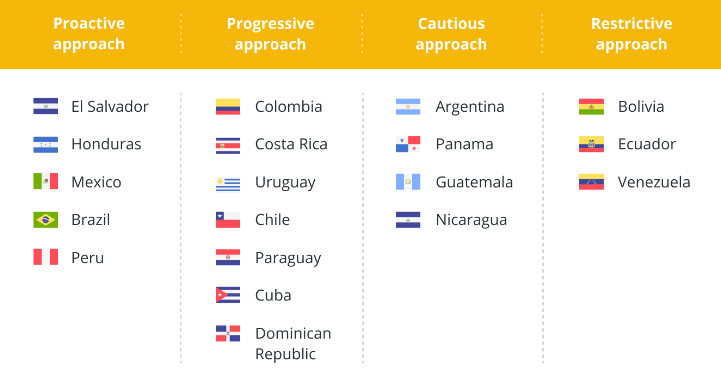
This move aims to modernize Bolivia’s payment system and boost its struggling economy. While Bitcoin isn’t legal tender in Bolivia, this change aligns the country with other crypto-friendly Latin American nations.
Bolivia isn’t alone in its crypto embrace. Latin America is becoming a hotbed for Bitcoin adoption.
El Salvador led the charge in 2021 by making Bitcoin legal tender. Mexico and Brazil have also warmed up to crypto, introducing regulations that make it easier to use digital assets. Argentina, facing high inflation, has even elected a pro-Bitcoin president.
But while adoption grows, Bitcoin’s on-chain activity tells a different story.
The On-Chain Downturn
The ratio of active Bitcoin addresses has fallen to its lowest level since November 2010. In June 2024, the weekly active wallet ratio dropped to just 1.22%. This means fewer people are buying and selling Bitcoin on the blockchain.
Experts point to a lack of retail investor participation as the main reason for this drop. Unlike previous bull runs, this year’s price surge seems driven more by big institutions than everyday investors. The broader economic situation might be keeping small investors away from crypto.
Another factor at play is the rise of celebrity memecoins. These newer, more volatile cryptocurrencies are attracting speculators looking for quick gains. This trend might be pulling attention away from more established coins like Bitcoin.
Despite the low on-chain activity, Bitcoin’s price remains strong, hovering around $60,000. This stability in the face of reduced activity suggests that long-term holders are keeping faith in Bitcoin’s value.
As Bitcoin enters this new phase, it’s clear that its journey is far from over. The contrast between growing adoption and falling activity presents a unique moment in crypto history. It suggests that while Bitcoin is gaining acceptance as a legitimate financial tool, its role in day-to-day transactions may be evolving.
When trading the crypto market, it doesn’t have to be “hit or miss.” Safeguard your portfolio with trades that actually yield results, just like our premium crypto signals on Telegram.
Interested in learning how to day trade crypto? Get all the information you need here