Crypto Dollar-Cost Averaging vs Trading Signals: Which Approach Fits You?
Estimated Reading Time: 2 minutes
Don’t invest unless you’re prepared to lose all the money you invest. This is a high-risk investment and you are unlikely to be protected if something goes wrong. Take 2 minutes to learn more
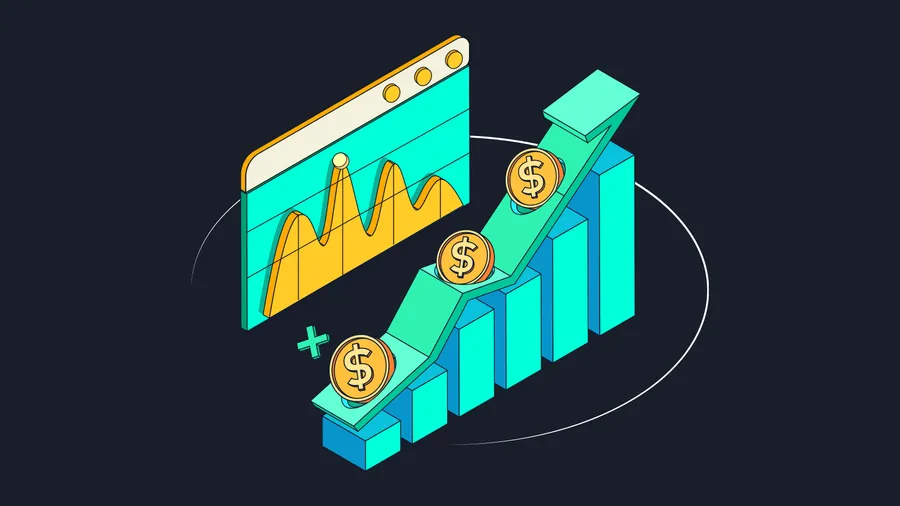
Dollar-cost averaging, or DCA, means buying a fixed amount of crypto at regular intervals. Trading signals are different. They aim to identify specific entries, exits, stops, and targets based on market conditions.
DCA is simple. A person might buy £50 of Bitcoin every week regardless of price. This removes the pressure of timing the market. It can work well for long-term believers who accept volatility and do not want to manage charts every day.
 Most Popular
- 2-5 Signals Daily
- 82% Success Rate
- Entry, Take Profit & Stop Loss
- Amount To Risk Per Trade
- Risk Reward Ratio


The downside is that DCA does not protect you from major downtrends. If the market falls for months, you keep buying all the way down. That may be acceptable for long-term investors, but it can be uncomfortable and requires patience.
Trading signals are more active. A signal may say a coin has a potential long setup near a certain entry, with a stop and take-profit plan. Good signals include invalidation because every trade can be wrong.
The advantage of signals is structure. They can help traders avoid random entries and define risk before entering. The disadvantage is that signals require discipline. Followers must understand that losses are part of trading and that skipping stops can damage results.
DCA and signals can also be combined, but the roles should be separate. A long-term Bitcoin DCA plan should not be confused with a short-term altcoin trade. Mixing the two leads to mistakes, such as turning a failed trade into a “long-term hold” just to avoid accepting a loss.

Free Crypto Signals Channel
 Free Telegram Channel
The right choice depends on personality, time, and risk tolerance. If you want simplicity and long-term exposure, DCA may fit better. If you want active opportunities with defined entries and exits, signals may be useful.
Key takeaway:
DCA is an investment habit. Trading signals are tactical plans. Both can be valid, but they require different expectations, risk controls, and time horizons.
Educational content only. Not financial advice. DYOR.