


Is Uptober a Real Trend? A Decade of Crypto Markets in October
Estimated Reading Time: 3 minutes
Don’t invest unless you’re prepared to lose all the money you invest. This is a high-risk investment and you are unlikely to be protected if something goes wrong. Take 2 minutes to learn more

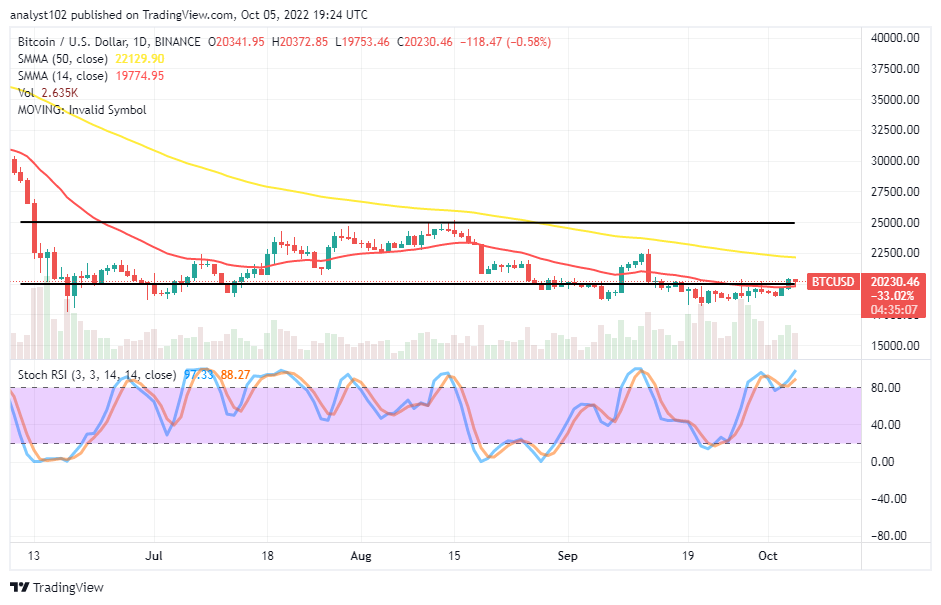
In 8 out of the last 10 years, the global cryptocurrency market experienced an October rally compared to the previous month. These “Uptober” month-on-month (MoM) gains ranged from a low of 7.3% in 2022 to a high of 42.9% in 2021. The only outliers were 2014 and 2018, where the total crypto market capitalization fell by 12.7% and 8.3% MoM, respectively. From 2014 to 2023, October has averaged a 14.0% MoM increase in total crypto market capitalization. This suggests that there may indeed be an “Uptober” effect, driven largely by strong Bitcoin price performance.
However, this trend is less evident over the longer term. The Uptober pattern appeared on a year-to-date (YTD) basis in only 6 of the past 10 years. During those 6 years, October saw significant gains compared to the start of the year, with the market increasing between 58.9% and 879.6% YTD.
Conversely, in the four years that saw a ‘Downtober’ effect, the crypto market contracted by 5.8% to 67.2% year-to-date (YTD). This indicates that trading the Uptober effect may be more justifiable for short-term, monthly strategies rather than long-term investments, which come with a wider and riskier range of possible outcomes.

Uptober 2023
In 2023, the crypto market once again rallied due to the Uptober effect, rising by 18.1% month-on-month (MoM) and 58.9% YTD. This marks the fifth consecutive year of the Uptober phenomenon on a monthly scale. The rally pushed the total crypto market capitalization past $1.3 trillion, a level not seen since mid-April, following two sluggish quarters. The only years with month-to-date (MTD) gains across all 31 days were 2015 and 2021, which saw consistent Uptober gains.
Uptober Isn’t Always a Continuous Upward Trend
For 6 out of the 8 years that witnessed the Uptober effect, the trend wasn’t consistently upward throughout the month. While these months ended with overall gains, many Uptobers experienced mid-month losses, ranging from 0.1% to 4.1% month-to-date (MTD).
A prime example is 2022, when the crypto market saw 21 days of losses in October before rallying in the final week to finish with gains. Similarly, in 2023, Uptober experienced a minor decline between October 10 and 16, during which the total crypto market cap dipped between 0.4% and 2.9% compared to the previous month.

The Uptober Effect on Global Crypto Markets
This analysis examines the month-on-month (MoM) and year-to-date (YTD) percentage changes in total crypto market capitalization each October, comparing October 31 to September 30 and January 1, respectively, from 2014 to 2023. For 2023, data from October 30 was used, as the month had not yet concluded at the time of the study.
The research utilized daily total crypto market capitalization data from CoinGecko for the period between 2014 and 2023, focusing on both monthly and YTD trends.
Please note that this study is for informational purposes only and should not be taken as financial advice. Always conduct your research and exercise caution when investing in cryptocurrency or any other financial asset.