


Crypto Crime: Olumide Osunkoya Admits to Operating Illegal Crypto ATM
Estimated Reading Time: 3 minutes
Don’t invest unless you’re prepared to lose all the money you invest. This is a high-risk investment and you are unlikely to be protected if something goes wrong. Take 2 minutes to learn more
In a hearing at Westminster Magistrate’s Court, Mr. Olumide Osunkoya pleaded guilty to committing a crypto crime. These crimes, by nature, are related to operating an illegal digital asset automated teller machine.
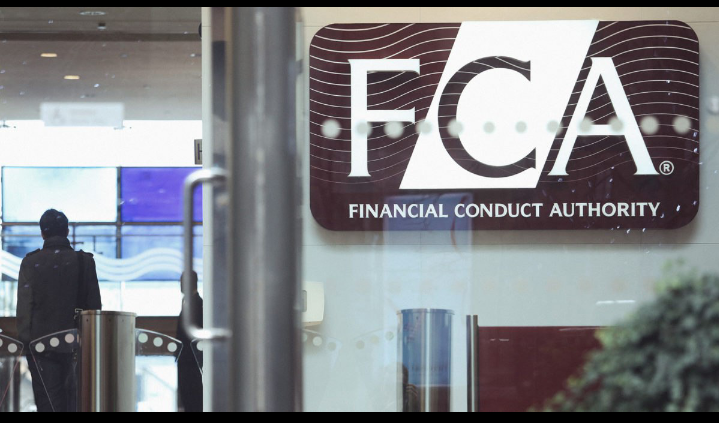
Mr. Osunkoya has been charged with multiple offenses for running an unregistered business outfit with illegal activities by the Financial Conduct Authority (FCA).
The FCA has been the anti-money laundering (AML) and counter-terrorist financing (CTF) supervisory organization in the UK since January 10, 2010. However, this case sets a significant precedent in the growing intersection of crypto financial crime and regulations.
Olumide Osunkoya’s Crypto Offence
Mr. Osunkoya, born on February 7, 1979, admitted to operating 11 crypto ATMs. These machines, according to the report, were distributed in strategic convenience stores across the UK. However, with over £2.6 million in transactions, Mr. Osunkoya Olumide, who refused registration with the FCA, has continued to do business without adhering to regulatory measures put in place. This includes customer due diligence or varying the source of funds.
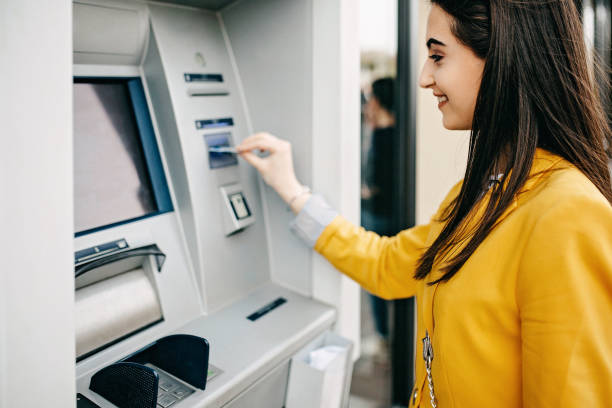
In addition to the abovementioned crime, Osunkoya was also charged with different offenses, such as violating the Forgery and Counterfeiting Act 1981 and the Crime Act 2000 for holding a substantial amount of money.
Also, due to his failure to check users’ transactions, the court heard that Mr. Olumide’s machine provides an avenue for money laundering and tax evasion. Evidence also revealed that Olumide had generated a huge profit, with a margin of between 10% and 60%. However, he claimed to have sold the business to a fictitious buyer to avoid penalties.
Broader Implications
The charges levied against Mr. Olumide Osunkoya violate 86 and 92 of the Money Laundering Regulations (MLRs) by operating with the FCA. This carries a penalty of up to two years in prison, a fine, or both.
This case is a wake-up call to all engaging in unregulated crypto activities. However, it highlights the relevance of compliance to FCA’s AML measure.
Mr. Osunkoya’s sentencing will take place at the Southwark Crown Court later.
Finally, with Olumide Osunkoya’s conviction and the growing demand for cryptocurrency in the UK. The FCA has promised to disclose the list of unregistered crypto businesses. This marks the importance of compliance with the financial rules.
In order to place winning trades with us via Bybit, you can open an account here.