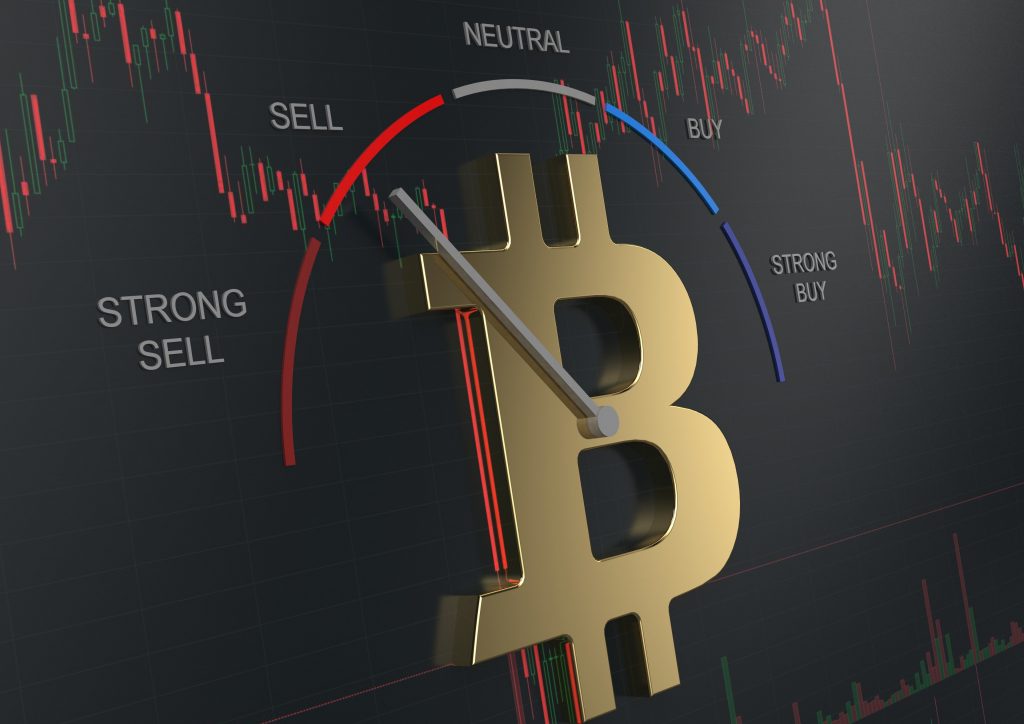



Trading Setbacks and Five Ways of Handling Them
Estimated Reading Time: 5 minutes
Don’t invest unless you’re prepared to lose all the money you invest. This is a high-risk investment and you are unlikely to be protected if something goes wrong. Take 2 minutes to learn more
Key Takeaways:
- Setbacks are normal: Every trader experiences drawdowns, and learning to manage them is key to long-term success.
- Keep perspective: Short-term losses matter less when viewed against long-term market performance and real-life impact.
- Stay future-focused: Maintain a long-term mindset, learn from recoveries, and use setbacks to improve instead of losing direction.
Following the heavy crashes in the financial markets, particularly in stocks and cryptocurrencies, many traders have recorded significant losses. As such, this may be the right time to discuss how to manage setbacks like these.
In this context, a trading setback occurs when, for example, you buy a stock or cryptocurrency at $100 and, after two weeks, it rises to $120, giving you a profit of $20. However, after some time, the profit declines from $20 to $10, leaving your investment worth $110. While you are still in profit, part of your gains has been lost.
Nobody likes to experience setbacks, but they are inevitable in trading. Most of the time, investments do not rise continuously to new all-time highs. As a result, traders will often encounter situations where profits decline or positions move against them. Therefore, one must learn how to manage such situations or reconsider participating in the market.
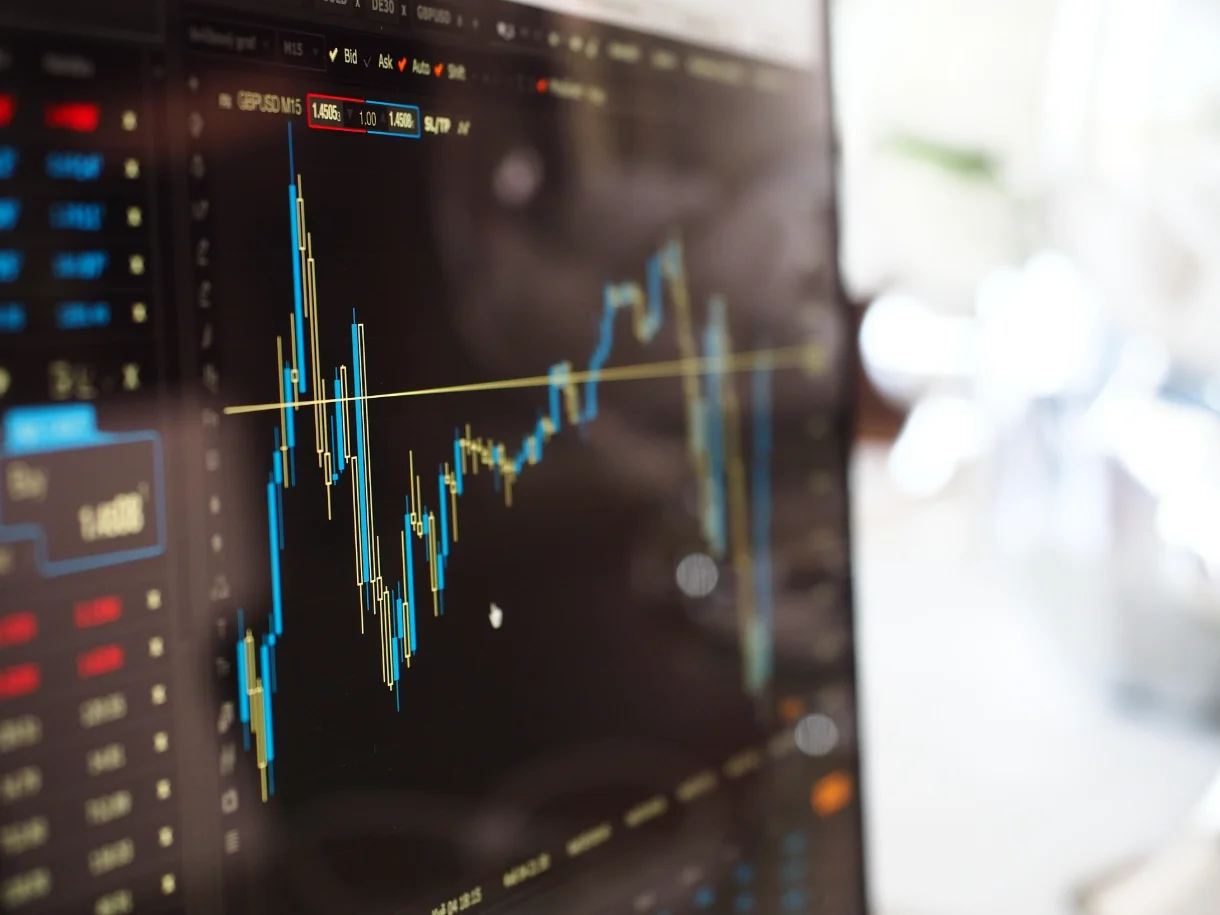
Navigating the Inevitable Downsides of Trading
Below are some ways of weathering the inevitable storms of trading setbacks.
1. Take a Broader View: A drawdown can be frustrating, but it helps to zoom out and focus on the bigger picture. A 10% decline may feel significant, yet long-term investments like the S&P 500 have historically delivered strong growth over time. Viewing losses within a broader context can make them easier to handle and prevent overreacting to short-term market movements.
2. Reframe the Situation: Losses are never pleasant, but ask yourself whether the drawdown has truly affected your daily life. In most cases, the impact is limited to your trading account. Keeping the setback in perspective can reduce stress, prevent emotional decisions, and help you stay focused on future opportunities rather than past losses.
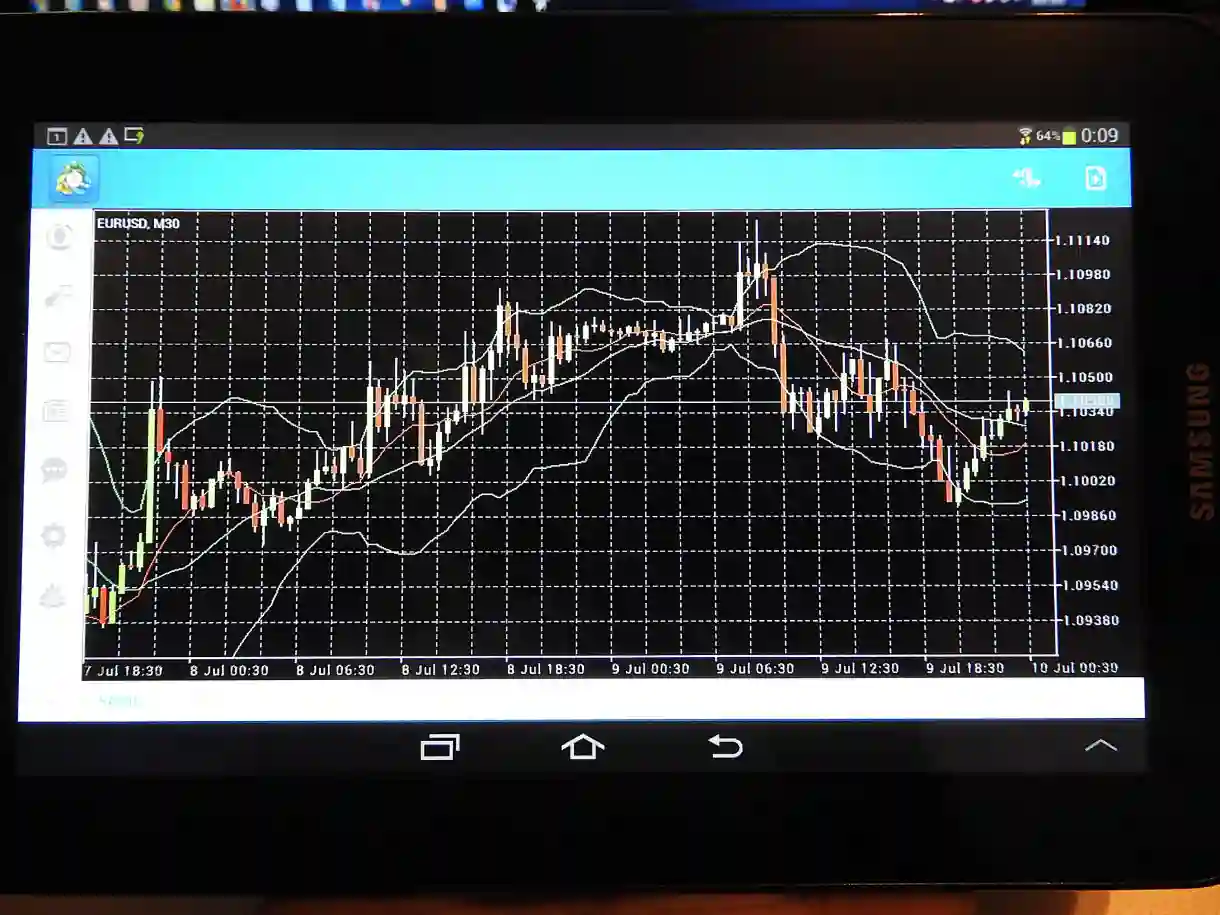
3. Maintain a Long-Term Perspective: During periods of setbacks, it is important to keep your long-term trading goals in mind. Even in business, setbacks occur, but they do not mean that long-term objectives cannot be achieved. With a solid plan, patience, and consistent effort, setbacks can be overcome, and success can still be attained.
4. Reflect on the Past: When experiencing a setback, it can be helpful to look at previous market declines. For instance, Bitcoin has experienced pullbacks of more than 50% in the past, while the S&P 500 has also undergone numerous corrections of 10% or more. Reflecting on these events helps put current setbacks into perspective and reminds traders that market declines are not unusual. More importantly, many of these markets eventually recovered and moved on to new highs.
5. Accept It and Keep Moving Forward: Every trader experiences losses and drawdowns, regardless of skill level or experience. Even top traders and successful funds go through periods of decline. Accepting this reality is essential for long-term success.
Dwelling on losses can lead to emotional decisions or hesitation, causing you to miss valuable opportunities. Instead, acknowledge the setback, learn from it, and stay focused on your trading process. Don’t let past losses control your future actions—move forward with confidence.
Happy Trading, and Remember to Take Care of Your Health!