


Stablecoin Industry Face Security Challenges Amid Global Adoption Uptick
Estimated Reading Time: 5 minutes
Don’t invest unless you’re prepared to lose all the money you invest. This is a high-risk investment and you are unlikely to be protected if something goes wrong. Take 2 minutes to learn more

The stablecoin market is experiencing unprecedented growth, but this expansion brings significant security risks that could impact the entire crypto ecosystem.
Recent developments show how these digital assets, designed to maintain stable value by pegging to traditional currencies, are becoming prime targets for sophisticated attacks.
Stablecoin Market Dynamics and Regulatory Progress
Stablecoins now represent over $150 billion in total supply, with centralized versions like Tether (USDT) and USD Coin (USDC) commanding 90% of market activity. This concentration creates both opportunities and vulnerabilities.
Chinese e-commerce giant JD.com recently announced plans to enter the stablecoin space, aiming to reduce cross-border payment costs by 90% and enable 10-second settlements compared to traditional SWIFT systems that take two to four days.
🇨🇳 LATEST: China’s largest retailer JD. com plans to apply for global stablecoin licensing to slash cross-border payment costs 90% and reduce settlement times to under 10 seconds. pic.twitter.com/erevSGN5QD
— Cointelegraph (@Cointelegraph) June 18, 2025
The timing coincides with significant regulatory developments in the United States. The Senate passed the GENIUS Act with a 68-30 vote, establishing federal guidelines for stablecoin operations.
Recent reporting projects that stablecoins could grow into a $3.7 trillion market by the end of the decade. That scenario becomes more likely with passage of the GENIUS Act.
A thriving stablecoin ecosystem will drive demand from the private sector for US Treasuries, which back…
— Treasury Secretary Scott Bessent (@SecScottBessent) June 17, 2025
This landmark legislation requires full backing by U.S. dollars or equivalent liquid assets, mandates annual audits for issuers exceeding $50 billion in market capitalization, and creates bankruptcy protections for stablecoin holders.
Security Vulnerabilities Expose System-Wide Risks
Despite regulatory progress, security experts identify multiple attack vectors targeting stablecoins. Centralized versions face custodial breaches where hackers compromise issuer infrastructure to access reserve funds or unauthorized minting capabilities.
The collapse of TerraUSD (UST) in May 2022 demonstrated how algorithmic stablecoins can lose their peg during market stress, erasing over $60 billion in value.
Decentralized stablecoins like DAI and crvUSD present different challenges. These protocols rely on smart contracts and oracle systems to maintain stability, creating attack surfaces where price manipulation or oracle failures can destabilize entire ecosystems.
The Euler Finance hack in March 2023 resulted in $197 million in losses, primarily involving stablecoins drained from lending pools.
Stablecoin Attack Methods and Market Impact
- Cybercriminals employ various strategies to exploit stablecoins.
- Flash loan attacks use uncollateralized borrowing to manipulate DeFi markets within single transaction blocks.
- Phishing campaigns target individual users through fake platforms mimicking legitimate stablecoin services.
- Rug pulls involve fraudulent tokens designed to appear legitimate before developers disappear with investor funds.
The systemic risk extends beyond individual protocols. DeFi platforms hold billions in stablecoin liquidity, making them interconnected.
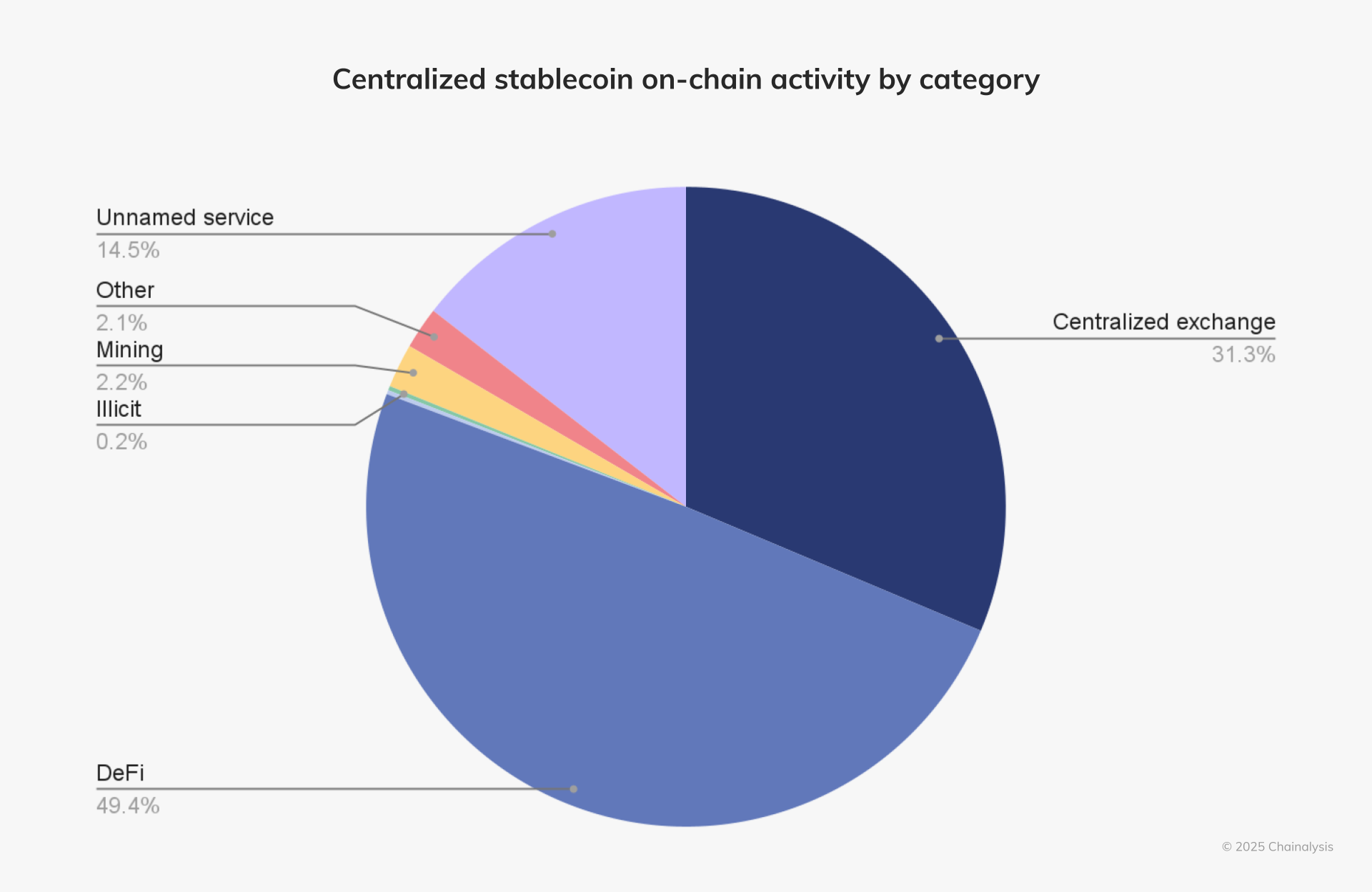
A major stablecoin failure could trigger cascading liquidations across multiple protocols, potentially freezing significant portions of the decentralized finance ecosystem.
Institutional Adoption Creates New Concerns
Traditional financial institutions increasingly hold and transact in stablecoins, expanding their exposure to crypto-specific risks. A significant depegging event could force institutions to realize losses, potentially affecting their ability to serve traditional banking customers.
Regulatory scrutiny has intensified around stablecoins’ potential use in sanctions evasion and capital flight.
Future Outlook and Security Measures
The GENIUS Act now moves to the House of Representatives, where lawmakers must decide between advancing their own stablecoin legislation or adopting the Senate version. President Trump has expressed support for having stablecoin legislation on his desk by August.
Meanwhile, security solutions are evolving to address these challenges. Real-time monitoring systems now track unusual transaction patterns, large withdrawals, and interactions with suspicious addresses. And smart contract auditing has become essential before integrating new stablecoin protocols.
The stablecoin market’s continued growth depends on successfully balancing innovation with security.
As these digital assets become more integrated into global finance, robust security frameworks and regulatory clarity will determine whether stablecoins fulfill their promise of efficient, stable digital payments or become sources of systemic risk.
Interested in learning how to day-trade crypto? Get all the information you’ll need here.