



Social Engineering Scams: Manipulating Trust for Financial Gains
Estimated Reading Time: 3 minutes
Don’t invest unless you’re prepared to lose all the money you invest. This is a high-risk investment and you are unlikely to be protected if something goes wrong. Take 2 minutes to learn more
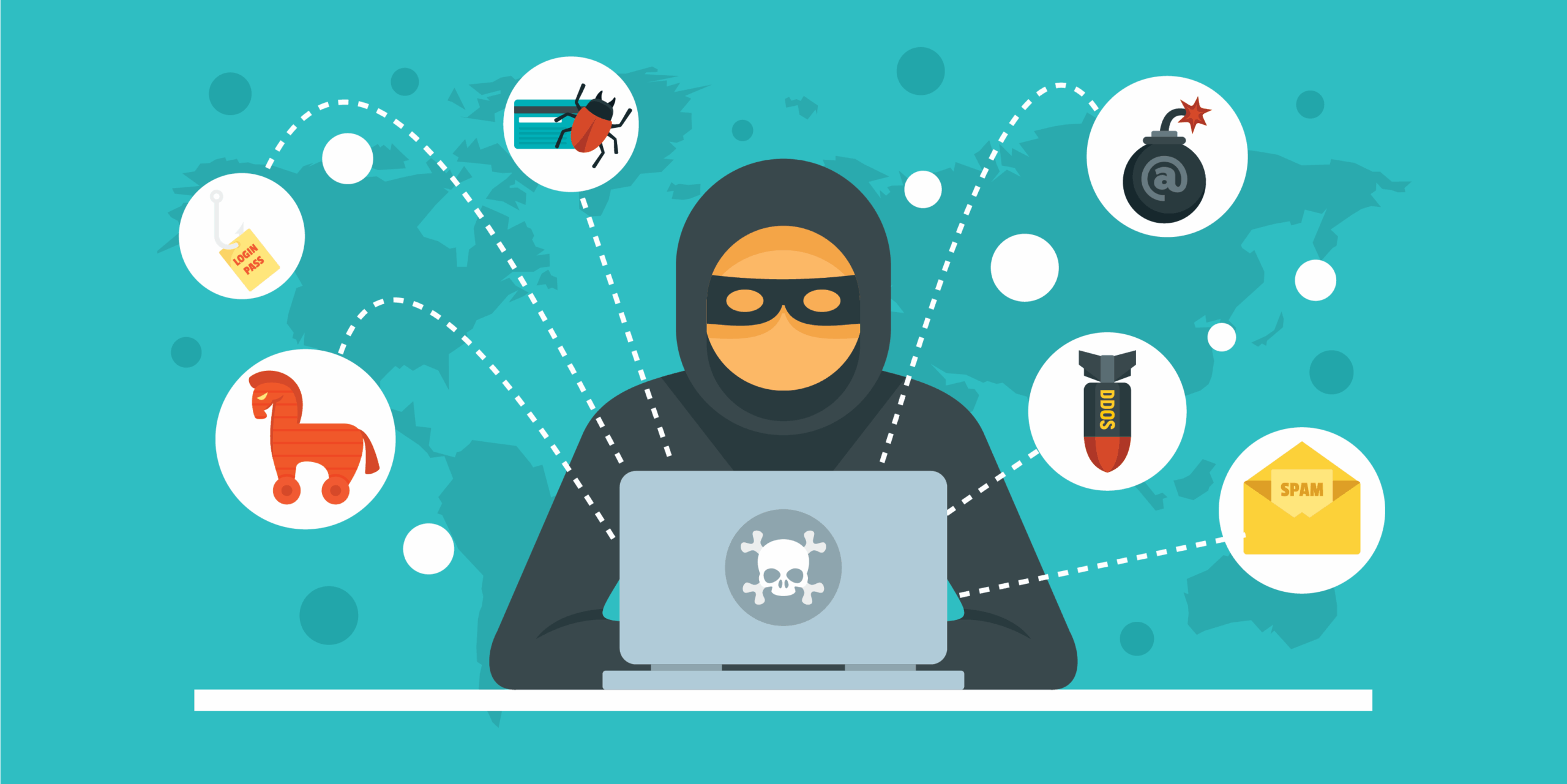
Social engineering scams are deceptive method used by criminals to trick people from an emotional angle.
It involves fraudulent attack on human trust, fear, and the need for urgency to illegally access personal or corporal assets.
The Psychology: Human Nature and Social Scam
Social engineering scams naturally work because human beings are naturally trusting and curious. Fraudsters usually take advantage of this opportunity by using psychological tricks to prompt victims into action without critical thinking.
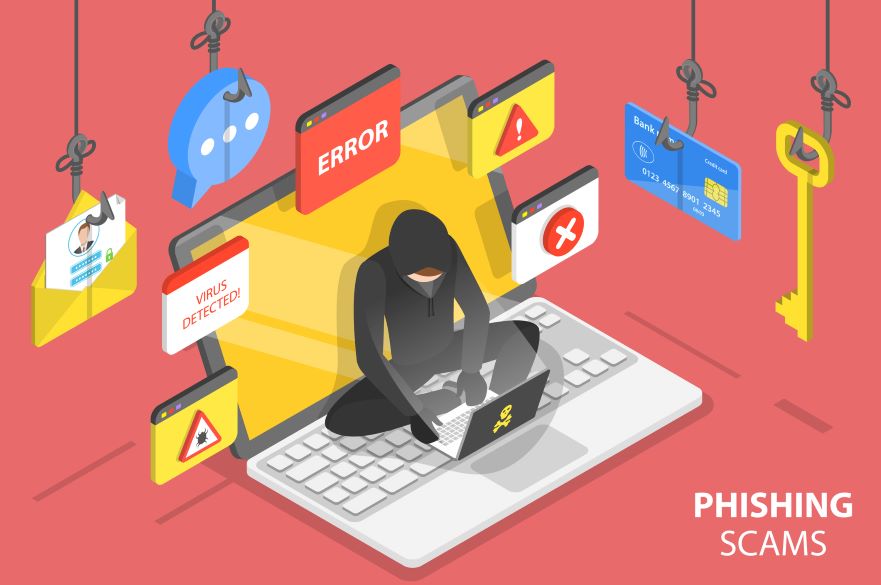
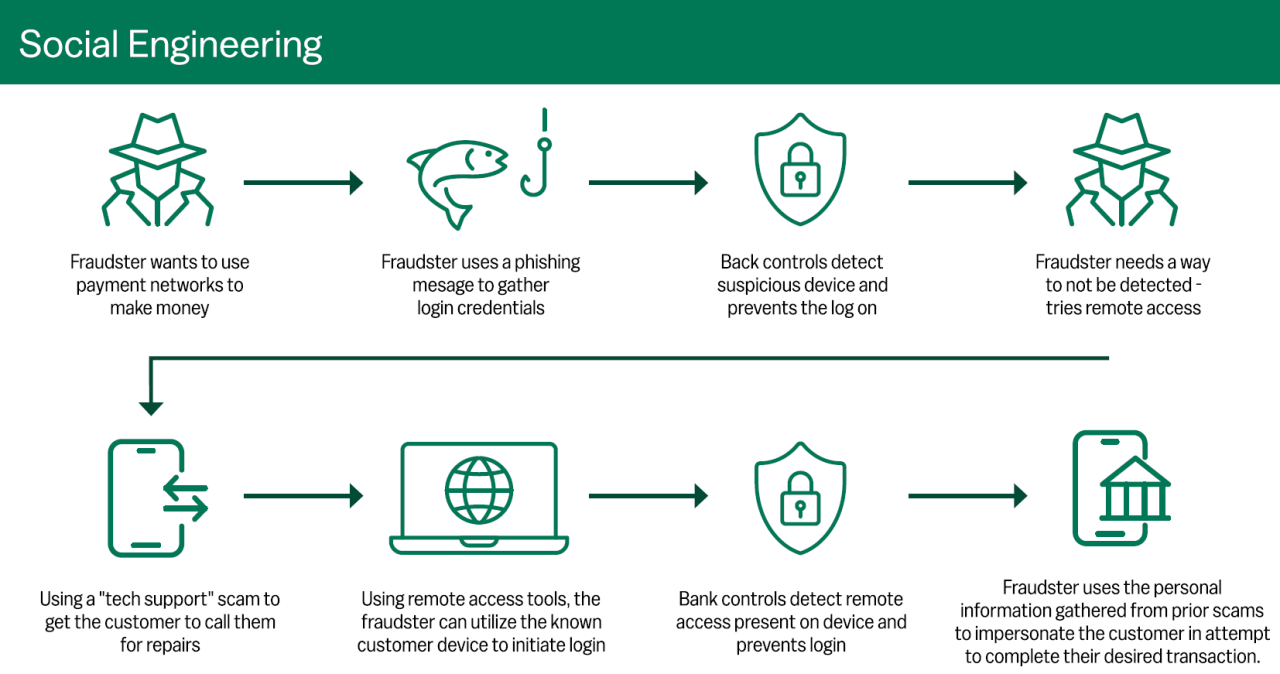
As it stands, some commonly used tactics include phishing, which involves fraudulent emails that appear to be from trusted companies, leading victims to click on malicious links or enter their login credentials. Another one is called vishing, an act of impersonating authorities or customer service representatives over the phone to steal personal information. Also, there is smishing (SMS phishing), a well-constructed text message designed to lure users into clicking links or revealing personal data. Aside from the aforementioned, there also exist Business Email Compromise (BEC), romance scams, and a lot more.
However, it is important to note that these tactics exploit emotions like urgency or fear, pushing victims to act quickly without time for rational appraisal for authentication.
Forms of Social Engineering Scams
Social engineering scams come in variants; some are familiar, others come with technological loopholes. For example, tech support scams trick victims into calling fake support numbers, where they are asked to install virus-infused applications or pay for non-existing services.
Research shows that in 2024, some parts of Southeast Asia saw a rise in romance-to-investment scams. This is a type of social scam where victims were emotionally manipulated into investing in fake cryptocurrency platforms. As expected, this action led many into significant financial losses, all in the name of emotional feelings.
The Red Flags: Spotting Social Scams
To easily identify socially engineered requests, one must take note of unexpected requests for money or personal information alongside strange grammar or odd URLs in emails or messages.
Additionally, it is important to watch out for unusual caller IDs, panic and level of secrecy, and uncommon payment requests, such as cryptocurrency or gift cards.
As it stands, knowing these schemes is never enough; one must learn to prevent them. It is important never to share one-time passwords (OTPs) or passwords, even if the request seems official. Also, the use of multi-factor authentication (MFA) and double-checking the identity of senders is essentially irrespective of the familiarity level.
However, in the case of financial institutions, it is important to infuse an AI-driven system to detect scams and never take customers’ education on scams as a wasted investment.
Conclusively, social engineering scams show that people, rather due to emotions, are often the weakest link in security, and sensitization is needed.
In order to place winning trades with us via Bybit, you can open an account here.