


Base’s Beryl Upgrade Sparks Fresh BASE Airdrop Speculation
Estimated Reading Time: 5 minutes
Don’t invest unless you’re prepared to lose all the money you invest. This is a high-risk investment and you are unlikely to be protected if something goes wrong. Take 2 minutes to learn more
- Base’s Beryl upgrade introduces the B20 token standard.
- The update has sparked speculation about a possible BASE ecosystem airdrop.
- Investors are advised to track official Base and Coinbase channels for verified updates, not rumors.
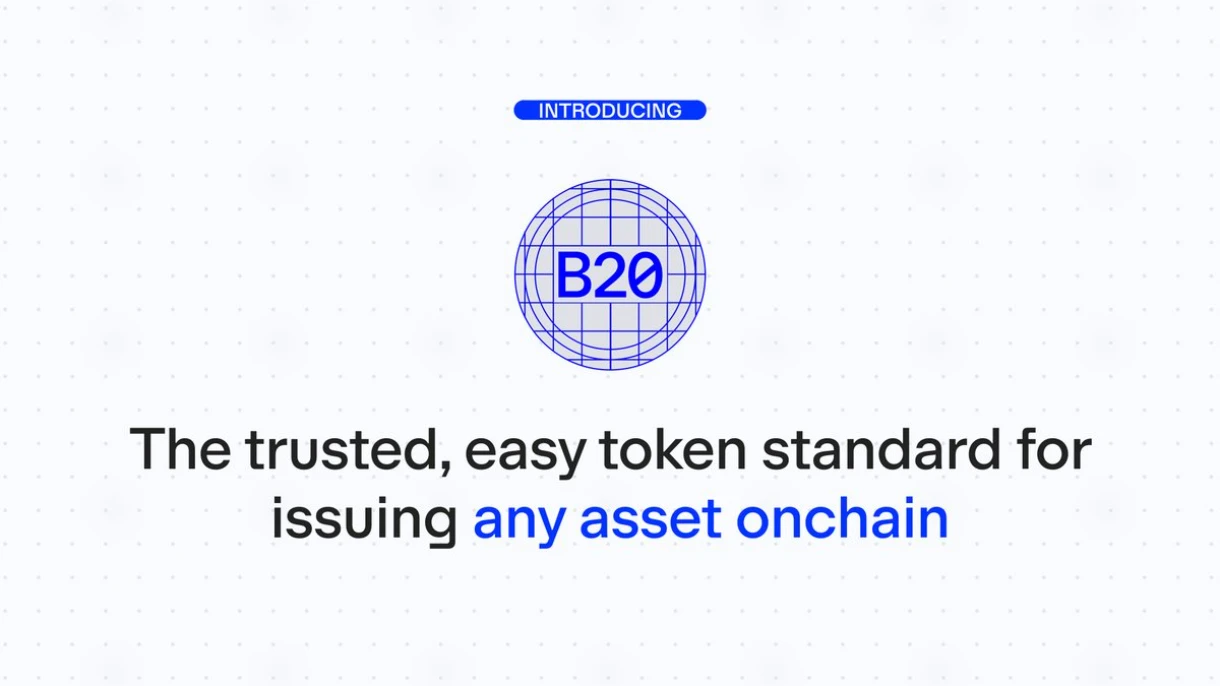
As blockchain networks race to support tokenized real-world assets and enterprise-grade applications, infrastructure is becoming the next competitive frontier. Base’s introduction of the B20 token standard through its Beryl upgrade reflects that shift, aiming to make the network more efficient and better equipped for the next generation of on-chain assets.
How Is B20 Different From ERC-20?
At first glance, B20 may appear similar to Ethereum’s widely adopted ERC-20 token standard, but the two serve different purposes. ERC-20 is a token standard that defines how fungible tokens are created and interact with wallets, exchanges, and smart contracts on Ethereum.
Its simplicity and interoperability have made it the foundation for thousands of cryptocurrencies and decentralized applications.
B20, on the other hand, is designed specifically for the Base ecosystem as part of the Beryl network upgrade. Rather than replacing ERC-20, it builds on Base’s infrastructure to support a more efficient token environment.
The standard is intended to improve network performance, reduce storage demands, and better accommodate tokenized real-world assets (RWAs), stablecoins, and other regulated digital assets expected to drive the next wave of blockchain adoption.
In essence, while ERC-20 established the blueprint for fungible tokens, B20 focuses on optimizing how those tokens are managed and scaled within the Base network. By introducing a standard tailored to its ecosystem, Base aims to provide developers and businesses with an infrastructure better suited for high-volume, enterprise-grade applications without sacrificing compatibility with the broader Ethereum ecosystem.
How Developers and Investors Could Benefit From B20
The introduction of the B20 standard could create new opportunities for both developers building on Base and investors looking for long-term ecosystem growth.
For developers, B20 is expected to provide a more efficient foundation for creating and managing digital assets on Base. By reducing storage requirements and improving network performance, the standard can help applications scale more effectively while keeping transaction costs competitive.
This is particularly valuable for projects involving stablecoins, tokenized real-world assets (RWAs), gaming, and decentralized finance (DeFi), where high transaction volumes and reliability are essential. As Base continues to expand, developers may also gain access to infrastructure better suited for building enterprise-grade blockchain applications.
Investors, meanwhile, may view B20 as a sign that Base is investing in the long-term growth of its ecosystem rather than short-term market hype. A stronger technical foundation could attract more developers, decentralized applications, and users, increasing on-chain activity and strengthening the network’s overall value proposition.
Greater adoption could also benefit projects built on Base by expanding liquidity, transaction volumes, and user engagement.
Airdrop Speculation Around Base
Alongside the technical upgrades, the B20 standard has also triggered renewed speculation about a possible BASE ecosystem airdrop. The reasoning is largely driven by precedent—many Layer-2 networks and early-stage blockchain ecosystems have historically rewarded early users or developers with token distributions after major infrastructure milestones.
However, it is important to note that Base has not confirmed any plans for a native token or an airdrop. The speculation is mainly community-driven, fueled by market expectations rather than official statements. For now, it remains a narrative in the market rather than a defined roadmap.
What Investors Should Watch
While the B20 buzz has brought excitement to the Base ecosystem, investors must rely on verified facts rather than speculation. Currently, neither Base nor Coinbase has officially confirmed a native token or an airdrop.
Because Base is closely tied to Coinbase, any legitimate token issuance or incentive program will be announced through official Coinbase and Base channels. Investors tracking these developments should closely monitor official documentation and verified developer communications rather than social media hype.
In fast-moving crypto markets, timing and accuracy are everything. Staying anchored to official sources is the best way to avoid misinformation while positioning for genuine future opportunities.