Ethereum’s Glamsterdam Upgrade Could Triple Throughput
Estimated Reading Time: 3 minutes
Don’t invest unless you’re prepared to lose all the money you invest. This is a high-risk investment and you are unlikely to be protected if something goes wrong. Take 2 minutes to learn more
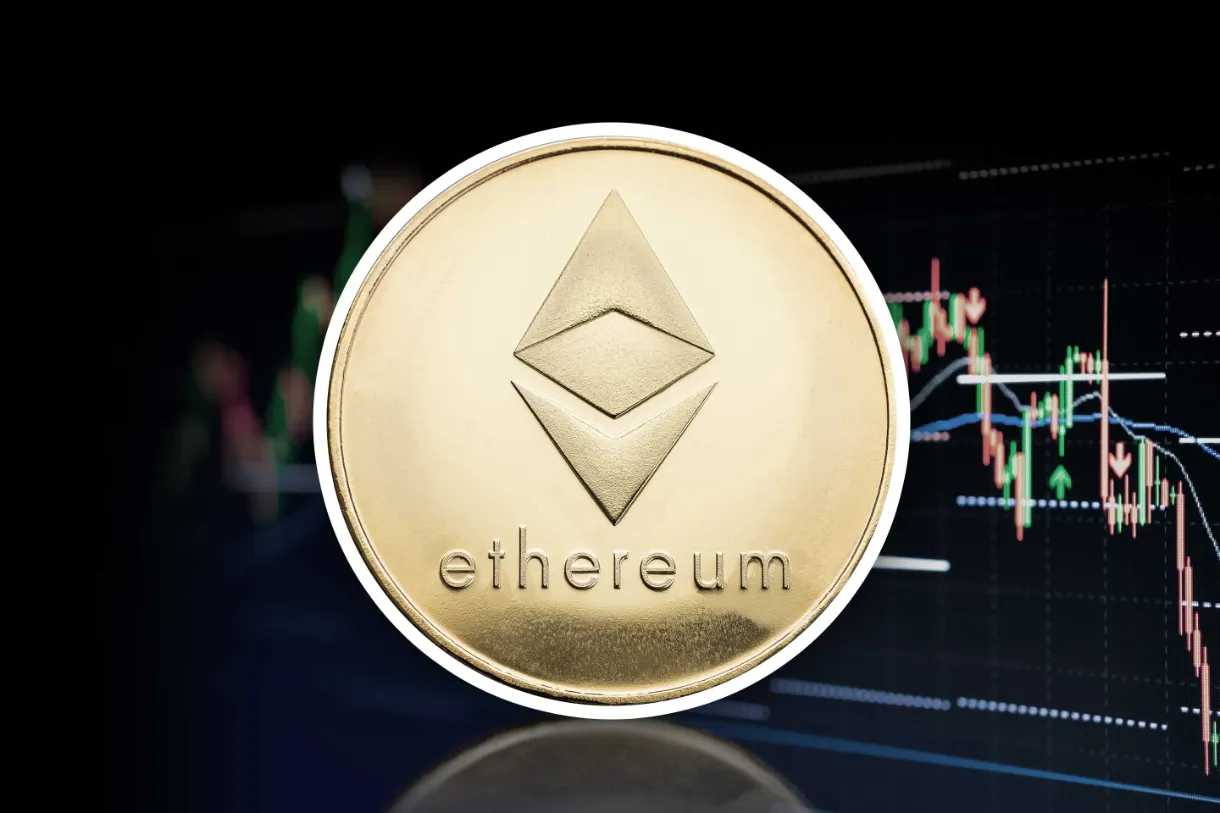
Ethereum is preparing for one of its more significant infrastructure upgrades, with the proposed Glamsterdam upgrade targeting roughly three times the network’s Layer 1 throughput.
For investors, the bigger story is not simply the technical changes behind the upgrade. It is whether Ethereum can increase capacity, improve efficiency and accommodate more activity without creating major disruptions for existing applications and infrastructure.
What Glamsterdam Could Change
The upgrade centers on a new approach to Ethereum’s gas system, introducing a separate “state gas” dimension alongside execution gas.
In practical terms, the goal is to make Ethereum’s resources easier to manage as the network processes more transactions and increasingly complex applications.
If successful, higher Layer 1 throughput could allow Ethereum to handle substantially more activity while potentially reducing some of the pressure placed on the broader ecosystem.
That matters because Ethereum remains a major settlement layer for DeFi, stablecoins, tokenized assets and other blockchain applications. Greater capacity could give developers more room to build and users more room to transact as demand grows.
The Upgrade Comes With a Transition Risk
The path to higher throughput will not necessarily be seamless.
Some older smart contracts and infrastructure were designed around Ethereum’s existing gas assumptions. Contracts relying on fixed gas stipends, 21,000-gas transfer assumptions or gaseft() logic could behave differently after the new gas schedule is introduced.
Developers will therefore need to test their applications against Glamsterdam-compatible clients and update systems that depend on outdated assumptions.
For investors, this is an important distinction: the upgrade is designed to improve Ethereum’s long-term performance, but the transition could create short-term compatibility issues across parts of the ecosystem.
What Investors Should Expect
Glamsterdam should not be viewed simply as a guaranteed bullish catalyst for ETH.
Its potential value is more fundamental.
If Ethereum can successfully increase throughput while maintaining network security and compatibility, the upgrade could strengthen the blockchain’s ability to support growing demand. That could be particularly important as activity surrounding DeFi, stablecoins, tokenization and institutional blockchain applications expands.
Investors should therefore focus less on immediate price movements and more on whether the upgrade delivers measurable improvements to the network.
The key indicators will include testnet performance, developer adoption, changes to gas parameters and the number of applications that require modifications before the mainnet rollout.
Ethereum developers are targeting the fourth quarter of 2026 for Glamsterdam, with public testnet forks such as Sepolia and Hoodi providing important testing grounds before activation.
If those tests proceed smoothly, Glamsterdam could represent another major step toward making Ethereum’s base layer more capable of handling future demand.