



Germany’s Banking Giants Bring Crypto to the Masses, Signaling a New Era for Retail Adoption
Estimated Reading Time: 4 minutes
Don’t invest unless you’re prepared to lose all the money you invest. This is a high-risk investment and you are unlikely to be protected if something goes wrong. Take 2 minutes to learn more
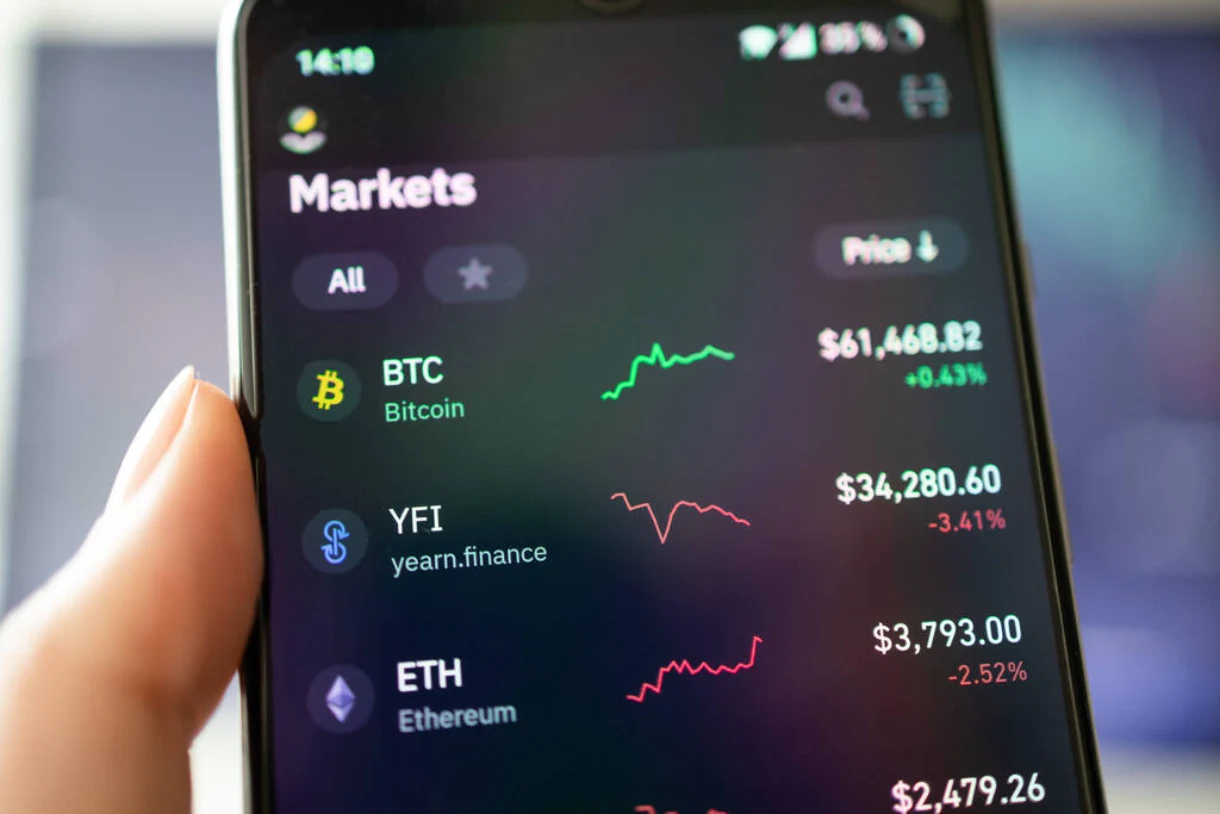
For years, cryptocurrencies have largely existed alongside the traditional banking system, requiring investors to open separate exchange accounts before they could buy digital assets. That barrier is beginning to disappear in Germany. The country’s largest savings and cooperative banking networks are rolling out crypto trading services through their banking apps, a move that could bring digital assets within reach of millions of everyday customers.
More than just another institutional crypto announcement, the development underscores how traditional finance is increasingly embracing digital assets as part of mainstream banking.
Bringing Crypto Closer to Everyday Investors
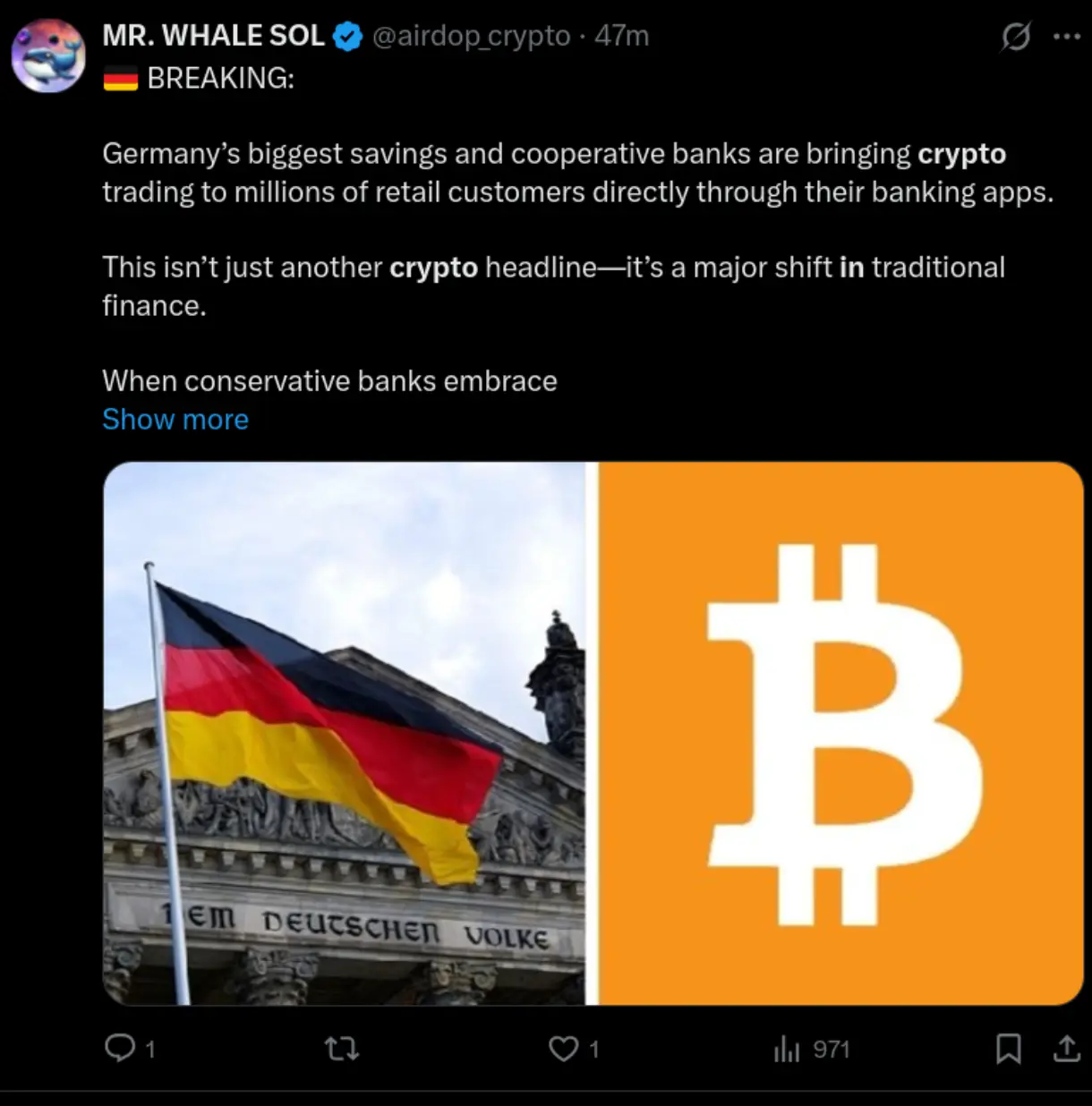
According to recent reports, Germany’s savings banks and cooperative banking groups are expanding crypto trading services through their respective financial partners, enabling retail customers to buy and sell cryptocurrencies directly from their banking applications. While the rollout will be implemented across participating institutions over time, the initiative has the potential to significantly expand crypto accessibility in one of Europe’s largest banking markets.

The biggest impact may be the removal of long-standing barriers to entry. Instead of registering with dedicated crypto exchanges, completing separate identity verification processes, and transferring funds between platforms, customers will be able to access digital assets through banking apps they already use for everyday financial transactions. That convenience could encourage more first-time investors to explore cryptocurrencies.
A Shift in Banks’ Attitude Toward Crypto
The move also highlights how dramatically traditional financial institutions’ perception of crypto has evolved. Many banks that once warned customers about the risks associated with digital assets are now integrating crypto trading into their product offerings.
This change reflects growing customer demand as well as increased regulatory certainty across Europe under the Markets in Crypto-Assets (MiCA) framework. Rather than viewing cryptocurrencies solely as speculative assets, banks are beginning to see them as legitimate investment products capable of generating new revenue while helping them remain competitive in an increasingly digital financial landscape.
The development could also reshape competition within the crypto industry. As banks offer seamless access to digital assets through trusted mobile banking platforms, crypto exchanges may face greater pressure to compete through lower fees, broader asset selections, staking opportunities, and more advanced trading features.
What It Means for Investors
For investors, Germany’s latest banking initiative represents another milestone in crypto’s journey toward mainstream financial acceptance. Easier access through trusted banking institutions could encourage broader retail participation, improve market liquidity, and strengthen confidence in the long-term growth of the digital asset ecosystem.
While widespread adoption will likely take time, the direction is becoming increasingly clear: cryptocurrencies are steadily moving from the financial sidelines into everyday banking. If similar initiatives gain traction across Europe and other major markets, they could accelerate global crypto adoption and reinforce digital assets’ position as an increasingly important component of the modern financial system.