


Bitcoin: Focus Beyond the Price—This Matters More
Estimated Reading Time: 6 minutes
Don’t invest unless you’re prepared to lose all the money you invest. This is a high-risk investment and you are unlikely to be protected if something goes wrong. Take 2 minutes to learn more

Bitcoin has hit new all-time highs.
If you bought in before today, congratulations—you’re in the green.
But here comes the tough question everyone’s asking:
Should you cash out now?
Die-hard Bitcoin supporters say no—but let’s be real, they always say no.
This time, though, I’m with them.
Here’s why…
A Major Shift Just Happened
Imagine trying to understand where the smartest investors are putting their money. You could try to overhear their discussions—but there’s a smarter strategy.
Watch where the capital flows.
In the world of crypto, that means one thing: follow the on-chain data.
No matter what the headlines scream, what influencers hype, or what your cousin Frank rants about over dinner—blockchains don’t spin stories. They show the raw, unfiltered truth.
Bitcoin’s on-chain data is like its pulse. When it picks up, it means people are active—moving coins, making trades, locking in positions, or preparing for a shift.
When it goes quiet, the network feels deserted—even if prices seem alive.
And recently? Bitcoin’s pulse was barely ticking. Despite price swings, real activity on the network was fading. That kind of disconnect usually flashes a warning: “Watch out—this surge might be smoke and mirrors.”
But now?
The trend has flipped.
After months of slowing down, Bitcoin’s on-chain momentum just broke out. And that shift? It’s a big deal.
The Network’s Beating Again
Here’s the upside:
May is finally showing signs of life—our first real pulse in quite some time.
Short-term user action is still sluggish—no breakout frenzy yet—but the long-term indicators? They’ve stabilized. In analyst terms, that’s called a regime shift.
Back in the day, market patterns were pretty predictable:
Whales bought early.
Retail piled in late.
Whales cashed out.
Retail got burned.
Rinse and repeat.
But this cycle feels different. The whales have changed. They’re no longer just crypto diehards and anonymous devs.
They’re institutions.
They’re ETFs.
Spot Bitcoin ETFs weren’t even a factor in the last bull run. Now, they’re scooping up BTC faster than ever—over 60,000 coins in just the past month.
Each time an ETF issues shares to meet demand, it must purchase actual Bitcoin. That movement? It leaves a footprint on the blockchain.
That activity? It’s happening right now—and it’s lighting up the network again.
What Really Matters
So you’re trying to get a real read on Bitcoin?
Forget staring at the price chart like it holds some hidden message. The better move? Track what’s happening on-chain.
Quick disclaimer: these metrics aren’t fortune tellers—Bitcoin’s still unpredictable—but they offer more clarity than your favorite crypto influencer’s hot take.
Start with this: rising active addresses usually signal that the network’s heating up. That’s a solid indicator of organic interest—not just speculative hype.
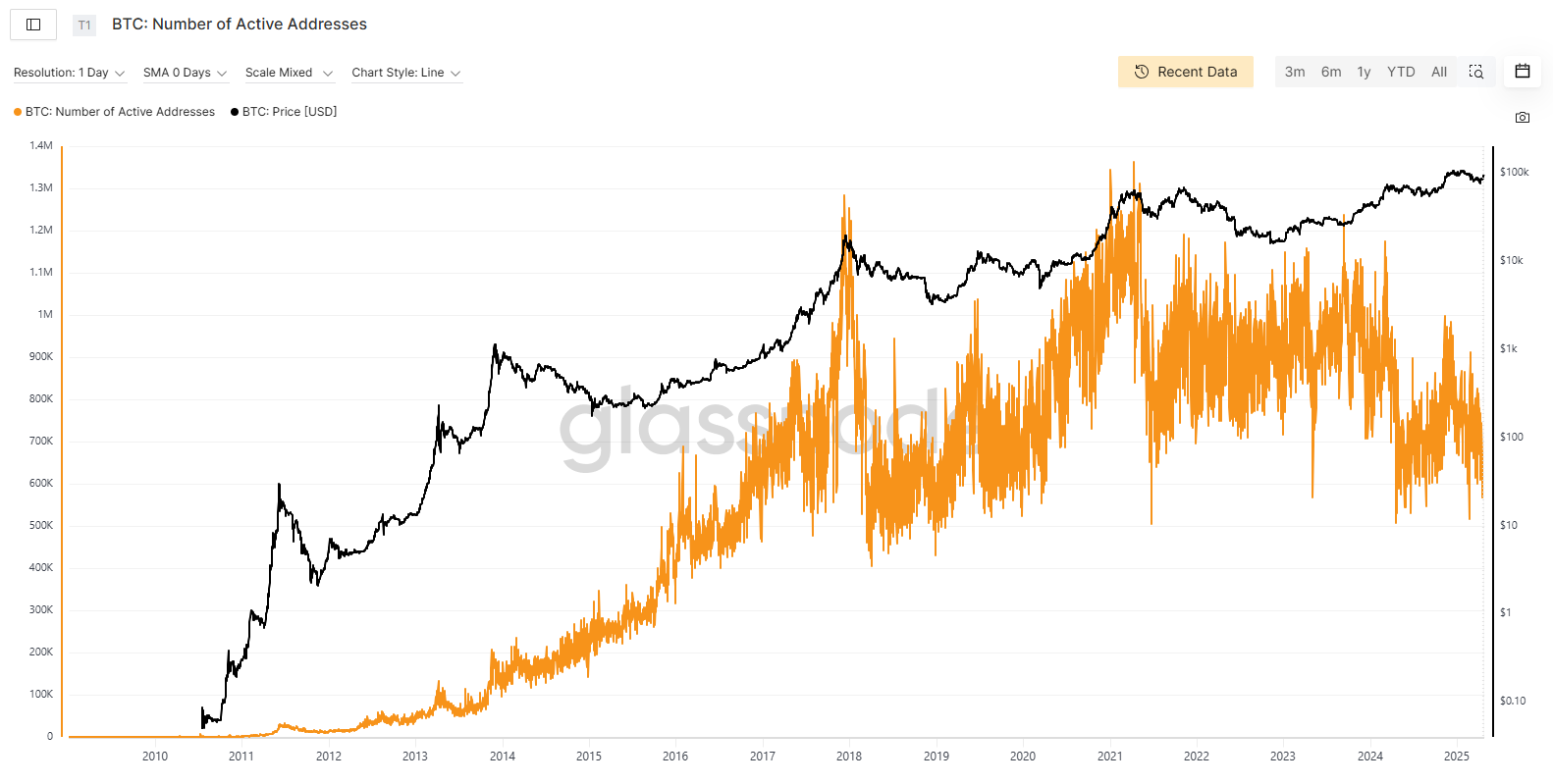
In the chart below, you’ll see active Bitcoin addresses (in orange) compared to prices (in black). Historically, when both rise together, it’s a sign of real user engagement pushing demand. That’s what healthy market momentum looks like.
Right now, address activity hasn’t fully recovered to its highs—but it’s no longer dropping, even as prices continue to rise. That flattening? Could be the foundation of the next surge.
Next up: watch where the Bitcoin’s going.
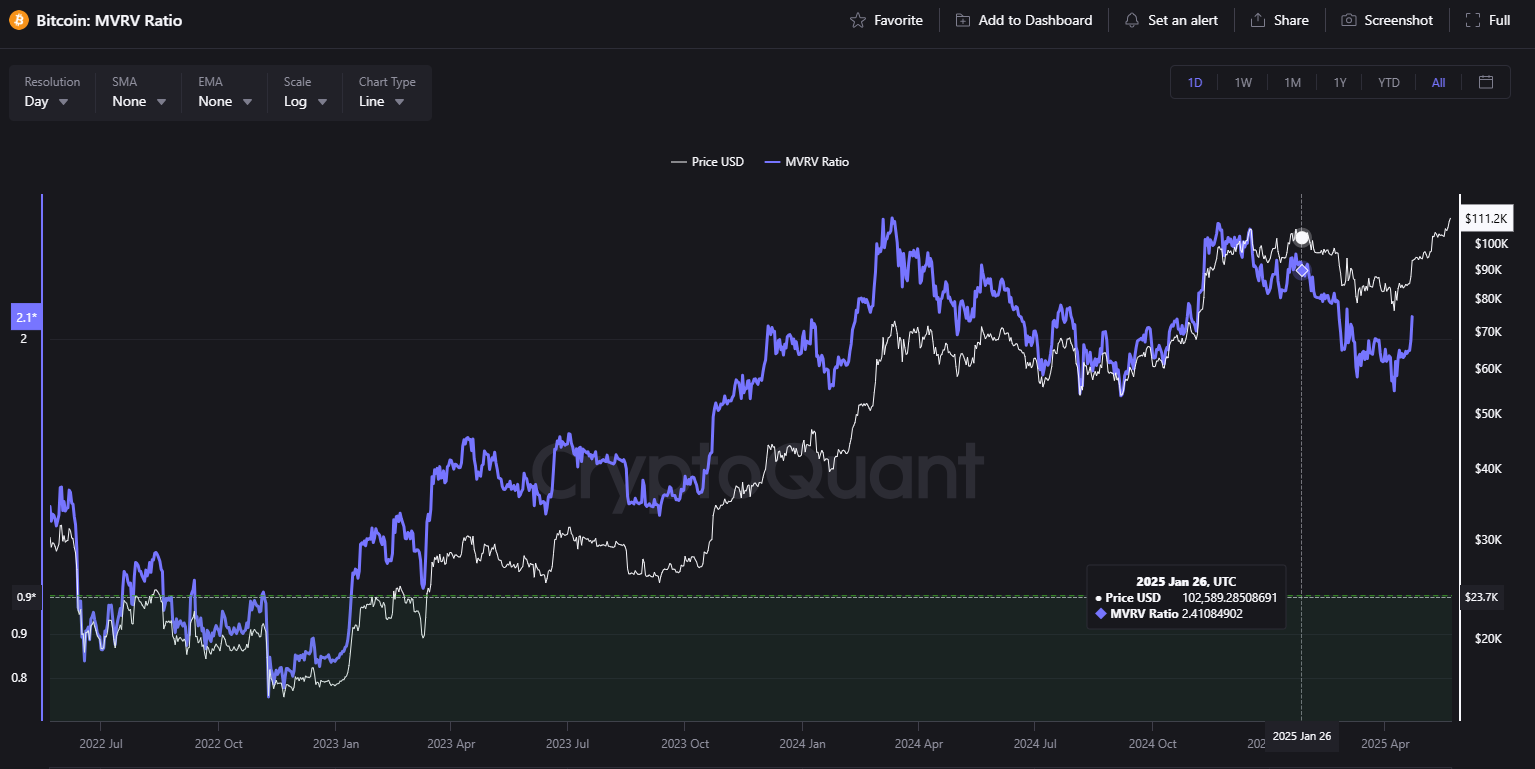
Large inflows to exchanges typically signal sellers gearing up. But when BTC flows out—something you can track with netflow data—it usually means long-term storage. And long-term thinkers don’t make moves on internet memes. They’re planning ahead.
In the chart below, red bars show BTC exiting exchanges—often a sign that investors are accumulating and locking it away. Combine that with rising prices? You’ve got the makings of a bullish setup.
Translation: fewer coins sitting on exchanges = lower sell pressure = more fuel for price increases.
Then, keep an eye on the diamond hands—long-term holders. These are the addresses that haven’t moved their BTC in at least 155 days. When that number ticks up, it’s usually a strong signal that experienced holders are quietly building positions.
The chart here shows that this group is back in stacking mode, even as prices rise. That means they’re not selling into strength—they’re anticipating more upside. Historically, that kind of behavior often precedes major bull runs.
Also worth watching: ETF inflows. When the market sentiment flips bullish, those funds respond fast.
Every new ETF share minted requires real Bitcoin to back it—not hype, but actual BTC. That buying shows up directly on-chain.
Below, the chart tracks daily flows into and out of spot Bitcoin ETFs, each color representing a different fund. When the bars trend above zero, it means capital is flowing in—and those funds are scooping up Bitcoin.
Still unsure whether we’re riding a bull or bracing for a bear?
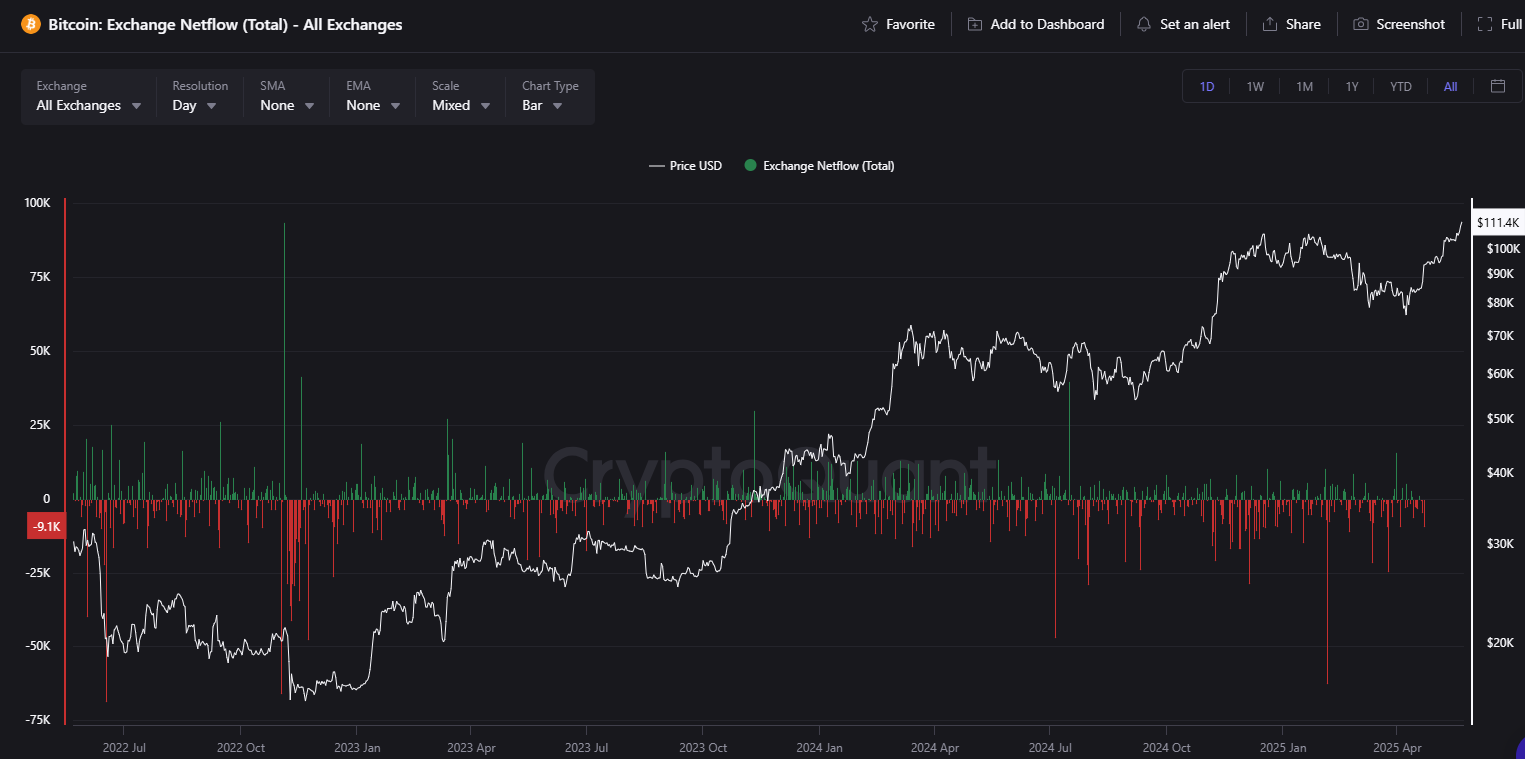
There’s one more trick: the MVRV ratio (Market Value vs. Realized Value). It compares the current market price to the average price at which coins last moved. When it’s too hot? That’s often a warning. When it’s freezing? The opportunity might be knocking.
Spotting the Opening
Here’s a quick mental shortcut: when the MVRV ratio climbs above 3.0, things are usually overheated—time to be cautious. In the 1.5 to 2.5 range? That’s typically where healthy growth happens. And anything under 1.0? You’re shopping in the clearance aisle.
Right now, we’re sitting at 2.1.
Check it out: this chart shows Bitcoin’s MVRV Ratio (blue) alongside its price (white).
After bouncing off 1.7, MVRV is heading upward again—still well below the frothy highs. That suggests we haven’t hit full-on FOMO territory yet, which could mean there’s more upside left in the tank.
Here’s the takeaway: if the price is the headline-grabbing attention, on-chain data is the fine print that reveals the truth behind it.
The network is speaking.
Now you know how to hear what it’s really saying.