


Navigating the Challenges and Risks of Non-Fungible Tokens (NFTs)
Estimated Reading Time: 5 minutes
Don’t invest unless you’re prepared to lose all the money you invest. This is a high-risk investment and you are unlikely to be protected if something goes wrong. Take 2 minutes to learn more
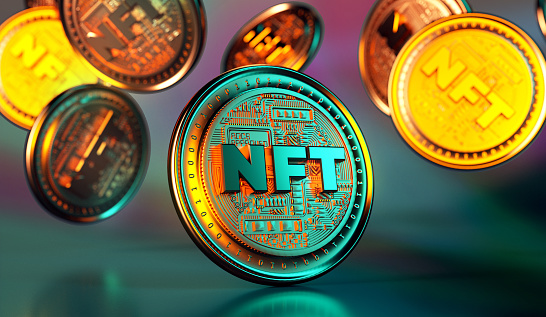
Non-fungible tokens (NFTs) are a distinct class of digital assets that stand apart from conventional cryptocurrencies. Unlike Bitcoin or Ethereum, which are interchangeable with one another, NFTs are unique and indivisible. This one-of-a-kind nature makes Non Fungible Token trading far more complex than typical crypto transactions.
While cryptocurrencies function like traditional currencies—allowing straightforward exchange based on equal value—NFTs defy this logic. Each token has its unique data and characteristics, making it impossible to trade one NFT for another as if they were equal. This breaks the standard crypto model and introduces new layers of complexity.
What Exactly Are NFTs?
NFTs are cryptographic tokens stored on a blockchain, differentiated by unique metadata and identifiers. They represent digital ownership of various assets and are non-interchangeable, unlike their cryptocurrency counterparts.
NFTs can be used to “tokenize” real-world items such as fine art, collectibles, precious metals, or even real estate. This digitization not only improves efficiency in trading but also enhances fraud prevention by ensuring provenance and authenticity.
Beyond physical items, NFTs also have potential applications in more abstract domains—like proving identity, verifying ownership rights, or securing intellectual property.
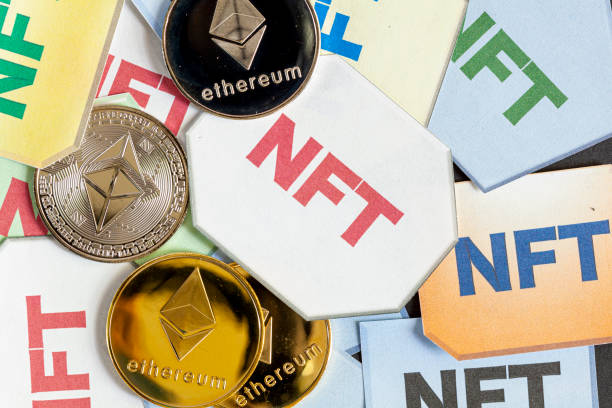
Key Risks and Challenges Facing NFTs
Although NFTs are gaining traction across industries, they also bring a set of notable risks and unresolved challenges, especially given their status as emerging digital assets within the broader crypto environment.
1. Legal and Regulatory Uncertainty
One of the most pressing concerns is the absence of a globally recognized legal framework for NFTs. At present, there is no uniform definition or classification of NFTs, and countries are developing their regulatory approaches. This fragmented legal landscape creates confusion for creators, investors, and platforms.
The rapid expansion of the NFT market underscores the urgent need for a standardized international regulatory body. Such an organization could provide clarity, promote best practices, and help ensure that NFTs are legally recognized and protected across borders.
One of the major hurdles in regulating Non Fungible Tokens lies in the absence of precise legal terminology. Existing laws often fail to accommodate the unique nature of NFTs, and as the market continues to grow, so does the challenge of building a reliable framework for compliance. The rapid evolution of NFT technology highlights the urgent need to address the legal and regulatory implications. Any regulatory system developed must remain adaptable, and capable of evolving in tandem with the diverse and expanding use cases of NFTs.
Challenges in Valuation
Perhaps the most pressing issue in the NFT space is the difficulty in assigning consistent value. Unlike traditional assets, NFTs don’t follow a standard pricing model. Their worth is often determined by a mix of factors—such as rarity, creativity, demand, distribution channels, and the identity of the creator or previous owner.
Because these elements are subjective and fluctuate constantly, NFT prices can swing wildly. The lack of reliable valuation metrics makes it difficult for investors and collectors to assess true market value, increasing volatility and risk.
Intellectual Property and Ownership Concerns
One critical challenge with NFTs revolves around ownership rights. Verifying that the seller is the legitimate creator or owner of an NFT is essential before any transaction. Unfortunately, there have been instances where individuals have minted counterfeit NFTs or misappropriated digital artworks.
It’s important to understand that purchasing an NFT typically grants usage rights or proof of ownership on the blockchain—but not the underlying intellectual property. These rights, or limitations thereof, are usually embedded in the NFT’s smart contract metadata, which outlines what the buyer actually owns and can legally do with the asset.
Cybersecurity Threats and Fraudulent Activities
With the rapid rise of NFTs and the expanding digital landscape, cybersecurity and fraud risks have become increasingly prominent. One common scam involves fake NFT marketplaces that mimic legitimate platforms, complete with authentic-looking logos and branding. These counterfeit stores deceive buyers by listing NFTs that don’t exist, posing a serious threat to unsuspecting collectors.
Another significant risk is impersonation—fraudsters pretending to be popular NFT creators to sell counterfeit tokens. This leads to widespread issues like copyright infringement, fake airdrops, bogus NFT giveaways, and knockoffs of well-known digital assets, all of which fuel the rampant online fraud surrounding NFTs.
Conclusion
Before diving into NFT investments, it’s crucial to fully understand the spectrum of risks and challenges involved. Awareness and mitigation of these dangers not only safeguard your assets but also streamline your experience in buying and selling NFTs.
To foster a healthy NFT ecosystem, there is a pressing need for standardized regulations, clear guidelines, and secure trading platforms. While NFTs and cryptocurrencies present inherent risks, they also offer a decentralized economic alternative that continues to evolve beyond traditional centralized systems, holding immense potential for the future.