


Financial Revolution: Tokenization of Real World Assets (RWAs)
Estimated Reading Time: 3 minutes
Don’t invest unless you’re prepared to lose all the money you invest. This is a high-risk investment and you are unlikely to be protected if something goes wrong. Take 2 minutes to learn more

After a long waiting period, tokenization—converting valuable real-world assets like cash or real estate to a blockchain-based token is finally happening. This conversion is bringing new possibilities for the crypto community, and most especially financial institutions.
However, major institutions like UPS and JP Morgan have launched their tokenized assets and platforms. Now, Visa, one of the prominent payment platforms, supports banks in issuing tokens on the Ethereum ecosystem.
This is an indication that banking and non-banking financial institutions are beginning to explore the usage of tokenized assets, its impact, and the investment opportunities within this trend.
Why Tokenization?
Tokenization offers a bridge between traditional finance (Trad-Fi) and blockchain technology. Before now, Bitcoin envisioned decentralized global money but deviated to become ‘digital gold’ due to high volatility, merchant skepticism, and government resistance.

To this end, blockchain-based tokens are appealing to banks and investors seeking blockchain advantages without regulatory issues. That is, tokenization improves efficiency, speed, transparency, and strict compliance with regulations.
Bank Growing Interest and Benefits to Consumers
Recently, banks have been drawn to tokenization because of its potential to streamline operations, improve security, and diversify offerings. By converting real-world assets into blockchain-based assets, banks now have the opportunity to introduce new products, reduce costs, and even earn transaction fees.
On the other hand, government acceptance of tokenized assets also reduces legal risks. Therefore, to the consumer, this conversion enhances transaction speed and accessibility in the background even with a familiar account interface.
Tokenization is restructuring the financial sector by transforming RWAs into digital tokens on the blockchain. For instance, customer service and operational efficiency are enhanced if cash can be converted into bank tokens, redeemable anytime. Also, it becomes an attractive prospect for banks because of its simplicity, speed, and transparency.
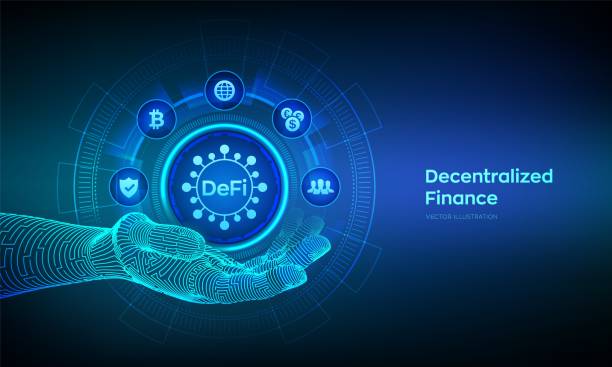
In conclusion, most banks favor Ethereum for token issuance. ETH presents a promising investment. Moreover, as the adoption of blockchain-based tokens continues, this digital transformation is poised to reshape the crypto landscape and increase Ethereum’s value for investors and banks due to its dominance in decentralized finance.
In order to place winning trades with us via Bybit, you can open an account here.