



Momentum Builds for Ron Paul to Audit the Federal Reserve, With Support from Elon Musk
Estimated Reading Time: 4 minutes
Don’t invest unless you’re prepared to lose all the money you invest. This is a high-risk investment and you are unlikely to be protected if something goes wrong. Take 2 minutes to learn more
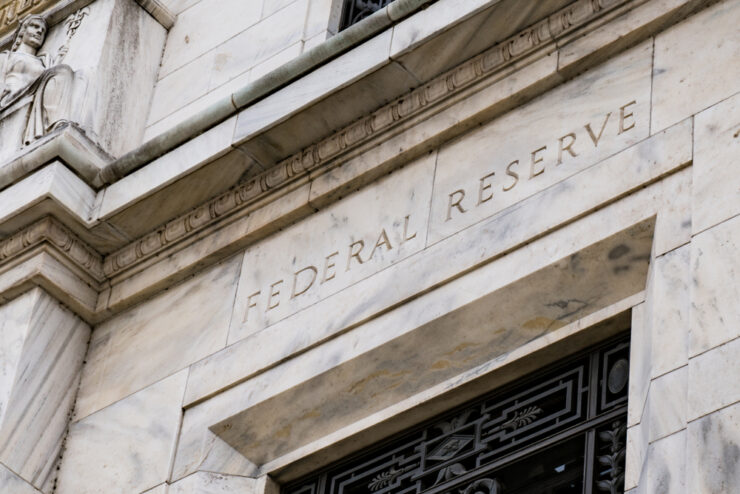
In a recent episode of The Liberty Report, Ron Paul and co-host Daniel McAdams explored the rising wave of skepticism toward the Federal Reserve, fueled by growing public frustration over government spending and financial mismanagement. This sentiment has been amplified by Elon Musk’s Department of Government Efficiency (DOGE), which has exposed questionable expenditures and instances of fraud. Paul, a staunch proponent of Austrian economics and sound money, reflected on his decades-long campaign to highlight the risks of central banking. He stressed that auditing the Federal Reserve is not just a procedural task but a vital step in reining in economic instability.
The discussion took an unexpected turn when Senator Mike Lee floated the idea of appointing Ron Paul as chairman of the Federal Reserve—a proposal that quickly gained momentum after receiving public support from Elon Musk. As the notion of Paul leading a Fed audit spread across social media, it underscored a growing awareness of the central bank’s influence over economic policy.
Despite the enthusiasm, Paul remained measured in his response. While heartened by the movement’s traction, he cautioned that meaningful reform would not happen overnight. He likened the necessary shift in public understanding to the ideological groundwork laid before the American Revolution, emphasizing that true change would require sustained education and advocacy.
Ron Paul: Auditing the Fed as a Step Toward Ending It
Ron Paul articulated his vision clearly:
“I want to audit [the Fed] as part of a process for when the people demand, ‘Oh boy, we need to end [the Fed].’ So, similar to the USAID, we investigate [the Fed]—once they’ve had the investigation and the audit, the American people can see the truth.”
Paul’s critique of the Federal Reserve is rooted in a core economic principle—free markets cannot function properly when distorted by government-controlled money. He argued that artificially low interest rates and excessive money printing fuel malinvestment, economic distortions, and inevitable financial crises. “One thing we’ve learned from economic history is that if a bubble bursts and causes chaos, repeating the same policies that created it won’t solve the problem,” he warned. Without addressing the fundamental flaws of central banking, he asserted, inflation, debt, and economic downturns will persist.
The discussion also delved into the deep connection between monetary policy and government overreach, particularly in foreign intervention. Paul pointed out that without the Fed’s ability to print money at will, the U.S. government could not sustain its cycle of endless wars or its sprawling welfare state. He emphasized that sound money is more than just an economic issue—it is a moral and political imperative to curb government power and safeguard individual liberty.
Despite the challenges, Paul remains optimistic. He noted that public frustration with economic instability has led to renewed interest in free market principles, particularly among younger generations. With an upcoming conference in Lake Jackson dedicated to advancing Austrian economics and limited government ideals, Paul believes that momentum for real reform is building. As the movement to audit the Fed reaches millions, his lifelong message may finally be gaining the traction needed to drive lasting change.