



U.S. Lawmakers Set Clear Path for Digital Assets Regulation
Estimated Reading Time: 3 minutes
Don’t invest unless you’re prepared to lose all the money you invest. This is a high-risk investment and you are unlikely to be protected if something goes wrong. Take 2 minutes to learn more
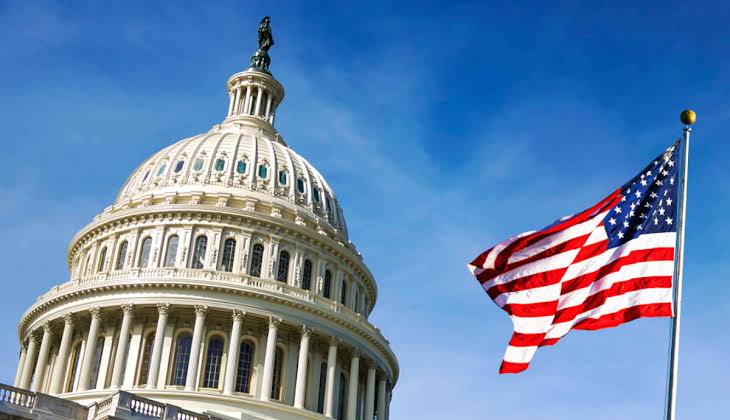
The United States is moving closer to fully regulating digital assets like cryptocurrencies and stablecoins. The White House’s crypto adviser, David Sacks, recently confirmed that U.S. lawmakers have agreed on a clear timeline for creating laws that will shape the digital asset market.
To this end, these efforts aim to provide clarity and strong rules, giving the crypto industry a legal framework to grow safely within the U.S. financial system. However, two important bills, “GENIUS” and “CLARITY,” are central to this reform, and both are making progress in Congress.
Stablecoin Rules: GENIUS Act Moves Ahead
The Guiding and Establishing National Innovation for U.S. Stablecoins (GENIUS) Act of 2025 is expected to become law soon after passage into the senate. This bill sets clear rules for companies that issue stablecoins, which are cryptocurrencies tied to the U.S. dollar or other reliable assets.
As it stands, only trusted issuers like bank subsidiaries or state-approved organizations will be allowed to offer stablecoins to the public. However, to ensure safety, every issued coin must be backed by real money or similar liquid assets.
To this end, the GENIUS Act also includes rules for how these assets are managed and reported. However, issuers must clearly explain how users can redeem their stablecoins, keep proper records, and submit monthly reserve updates.
CLARITY Act: Defining Digital Assets Roles for SEC and CFTC
Alongside the GENIUS Act, lawmakers are also working on the Digital Assets Market Clarity (CLARITY) Act of 2025. This bill was introduced in the House to solve confusion over which agency, aside from the Securities and Exchange Commission (SEC) or the Commodity Futures Trading Commission (CFTC), should oversee various types of digital assets.
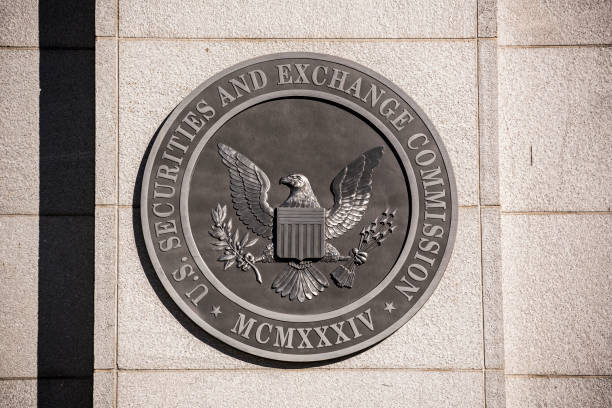
To this end, by clearly defining each agency’s role, the bill hopes to reduce legal uncertainty and enhance technological development within the US border.
On the other side, the CLARITY Act also requires crypto brokers to be transparent about investor protections and to separate investors funds from firms’ assets.
As it stands, it creates legal pathways for developers to raise money and trade crypto-based products without facing unclear or overlapping rules. To this end, by focusing on fairness, accountability, and investor safety, the CLARITY Act could help the U.S. retain the global leadership in the digital asset space.
In order to place winning trades with us via Bybit, you can open an account here.