



The Way a Gambler Sees the World
Estimated Reading Time: 4 minutes
Don’t invest unless you’re prepared to lose all the money you invest. This is a high-risk investment and you are unlikely to be protected if something goes wrong. Take 2 minutes to learn more

In Briefs
- Successful trading depends on accepting losses and thinking probabilistically.
- Strict rules and market mispricing create a sustainable trading edge.
- Mental endurance helps traders survive long enough for success.
A study was recently carried out on a professional gambler. As a result, quotations emerged that explain the relationship between professional gambling and trading.
1. The Level to Which One Can Tolerate Loss Is a Major Skill
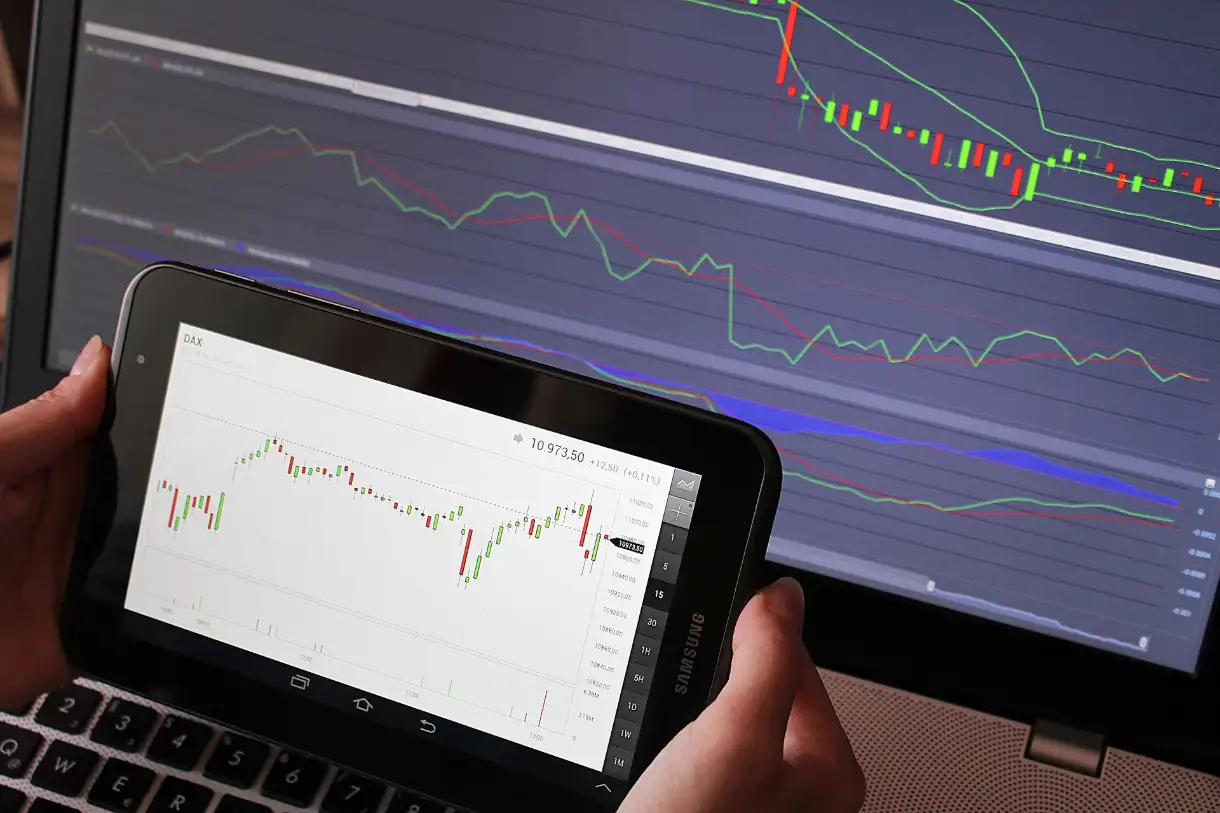
Trading, similar to professional gambling, is largely based on probability. The outcome is surrounded by expectancy rather than certainty. For traders who cling to their losses or gains, this can sabotage their willpower to execute their next trading signal properly.
2. Losses Are Recorded More Frequently Than Gains by Professionals
A beginner trader’s overambitious expectation of recording more wins is challenged here. Most strategies, such as following the trend and targeting breakouts, usually produce a success rate lower than 50%. However, the catch lies in how rewarding the winning trades are, not in the number of wins. When a trader becomes too focused on having more wins, he or she may unduly exit a winning trade with the potential to generate substantial gains.
3. Rules and Structure Outweigh Confidence
When someone has confidence in the absence of proper structure, this is often referred to as overconfidence. True profitability comes from following a well-defined set of rules rather than relying on instinct alone. In trading, this means adhering to predetermined entry points, position sizes, stop-loss levels, and portfolio risk limits. Every deviation not only increases exposure to risk but also weakens the statistical advantage.
4. The Edge Develops from What the Majority Misvalues
Differentiation is rewarded more by the market than what most traders agree with. Whether through volatility filters, trend continuation, or choosing a market regime, it is crucial for a trader to identify where the majority is wrong. A quantitative approach to the market requires studying history, identifying recurring misvaluations, and exploiting them over time instead of chasing narratives.
5. The Ultimate Differentiator Is Mental Endurance
Most traders do not fail because their strategies are flawed; they fail because they cannot endure drawdowns, boredom, or extended periods of underperformance. Bartholomew describes professionalism as the ability to keep showing up despite discomfort. In trading, this means continuing to execute a proven system during difficult periods, trusting tested methods, and resisting the temptation to constantly adjust after normal market fluctuations.
Finally
The examined observations highlights a reality that many traders struggle to accept: profits are the by-product of a disciplined process, not accurate predictions. Professional betting and systematic trading are built on the same principles—accepting losses, following structure, thinking in probabilities, and maintaining emotional resilience. Most traders do not fail because they lack an edge; they fail because they do not remain in the game long enough for that edge to deliver results.