Broadridge Expands Tokenized Securities Network, Opening New Opportunities for Global Investors
Estimated Reading Time: 5 minutes
Don’t invest unless you’re prepared to lose all the money you invest. This is a high-risk investment and you are unlikely to be protected if something goes wrong. Take 2 minutes to learn more
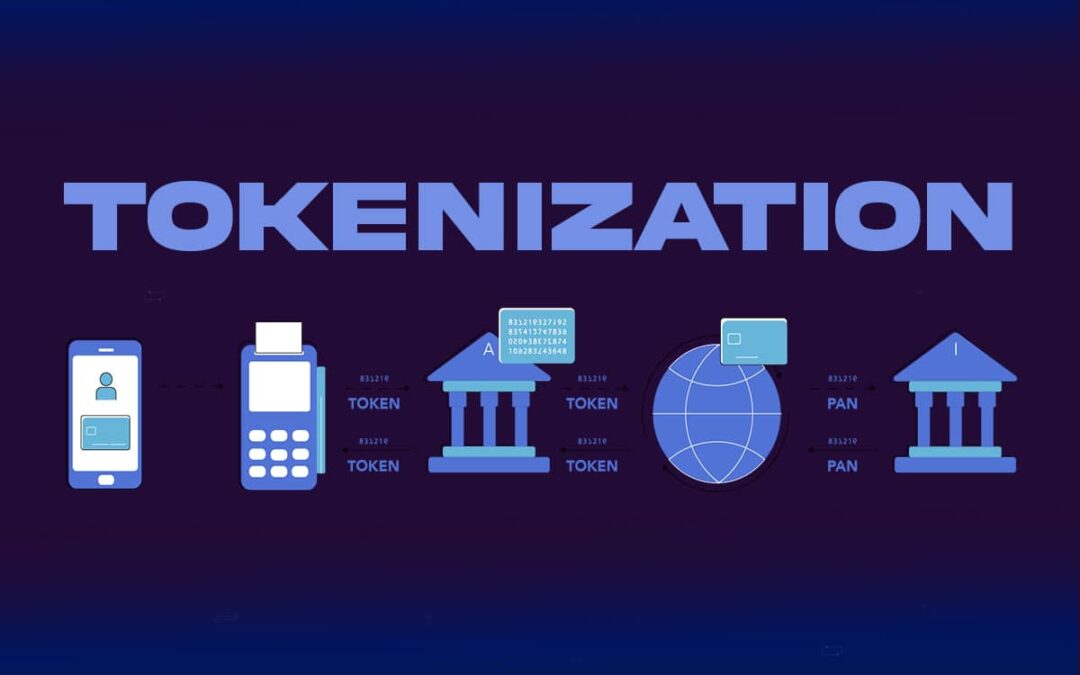
The financial system is gradually moving toward a world where traditional assets such as government bonds can be transferred and settled on digital networks.
Broadridge is taking another step in that direction by expanding its tokenized securities platform to include government bonds from the world’s major developed economies.
For investors, the important part is not the technology itself. It is what this change could mean for faster transactions, better use of assets and improved access to global markets.
What Is Changing?
Broadridge’s Distributed Ledger Repo network, known as DLR, previously supported tokenized U.S. government bonds. It can now also handle government securities from the G7 economies—the world’s major advanced economies.
In simple terms, the platform allows large financial institutions to temporarily exchange cash for high-quality government securities and reverse the transaction later.
This type of short-term financing is extremely important to banks and other financial institutions because it allows them to access cash without permanently selling valuable assets.
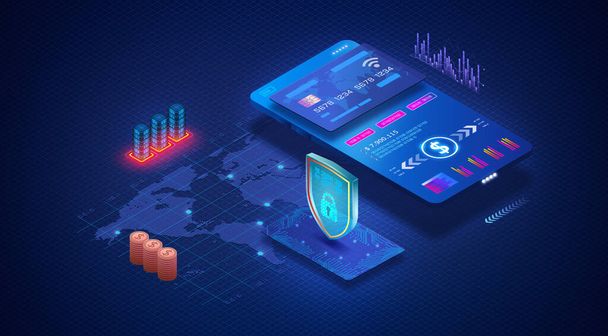
The difference is that Broadridge is putting this process onto a digital network.
Why Should Investors Care?
One major benefit is speed.
Traditional financial transactions can involve several institutions, systems and settlement processes. Moving these activities onto a shared digital network could reduce some of the delays and administrative work involved.
Broadridge says its system can also settle the cash and securities together, reducing the possibility that one side of a transaction is completed while the other remains outstanding.
For investors, that could eventually mean a financial market that operates more efficiently and with fewer points of friction.
More Assets Could Mean More Flexibility
Adding government securities from several major economies is another important development.
Government bonds are among the most widely used assets in global financial markets. Banks and institutions frequently use them as security when borrowing money.
By supporting a wider range of government securities, Broadridge’s network could give institutions more options when deciding which assets to use to raise short-term funding.
That could make capital more flexible and potentially improve liquidity across financial markets.
The Scale Is Already Significant
This isn’t simply an experiment happening in a small corner of the financial system.
Broadridge reported that its network processed an average of approximately $351 billion in daily transactions in August 2026, amounting to about $7.4 trillion during the month.
That scale matters because the biggest potential benefit of tokenization comes when the technology is adopted by major financial institutions rather than remaining a niche experiment.
The expansion into more government securities suggests Broadridge is attempting to build infrastructure that can support a much larger global market.
What Could This Mean for Investors?
The biggest potential benefit is greater efficiency.
If financial institutions can move cash and securities faster and use a wider range of assets as security, capital may become easier to deploy.
That could eventually reduce some transaction costs, improve liquidity, and make global financial markets more responsive.
It could also strengthen the case for tokenization.
For years, the financial industry has discussed putting traditional assets such as bonds, funds, and other securities onto blockchain-based networks. Developments such as Broadridge’s show that tokenization is gradually moving beyond theory and into large-scale financial operations.
The Bigger Picture
Investors should not expect this development to immediately change the price of stocks, bonds or cryptocurrencies.
Its significance is more structural.
Financial institutions are increasingly testing digital infrastructure that can make traditional markets faster and more connected. If these systems prove reliable and more institutions adopt them, the financial markets of the future could look very different from today’s.
The next thing to watch is adoption.
If major banks, investment firms and other institutions increasingly use Broadridge’s network for international transactions, it could signal that tokenized financial infrastructure is becoming part of the mainstream financial system.
For investors, that may ultimately be the most important development of all.