


Interest Rate Cuts: The Ripple Effect
Estimated Reading Time: 4 minutes
Don’t invest unless you’re prepared to lose all the money you invest. This is a high-risk investment and you are unlikely to be protected if something goes wrong. Take 2 minutes to learn more
This analysis explores the typical consequences observed after a series of interest rate cuts by central banks. This information can be valuable for long-term trade planning. Historically, when central banks initiate a cycle of interest rate reductions, it usually signals an attempt to stimulate economic activity during periods of economic slowdown or recession. The effects of these rate cuts can vary depending on the specific economic conditions, but several common patterns have emerged across different periods:
The Ripple Effect: Interest Rate Cuts
Imagine a giant ship—the economy—caught in a sudden storm. The captain, the central bank, decides to adjust the ship’s sails (interest rates) to steer it back on course. But what happens when those sails are suddenly loosened? Let’s dive into the fascinating, and often unpredictable, ripple effect of interest rate cuts:
- The Spending Spree: Lower borrowing costs are like a siren song for consumers and businesses. Suddenly, that new car, home renovation, or long-awaited investment project seems more attainable. This surge in spending fuels economic growth, but like a bonfire, it can also get a little out of hand.

- Wall Street’s Wild Ride: The stock market often reacts to rate cuts like a giddy child at an amusement park. Companies rejoice at cheaper borrowing costs, potentially boosting profits. Investors, lured away from the less exciting (but safer) bond market, pile into stocks. But this euphoria can be short-lived. If the economic storm continues to rage, the initial excitement can quickly fade.
- The Bond Market Blues: For bond investors, falling interest rates can be a bittersweet affair. Their existing bonds, with their higher fixed interest payments, suddenly become more valuable. But the allure of new, low-yielding bonds dims their future returns.
- Currency Crossroads: When interest rates fall, the country’s currency often takes a hit. Foreign investors seeking higher returns elsewhere lose interest in local investments. This can boost exports, making domestic goods more attractive abroad. But it also makes imports pricier, potentially fueling inflation.
- The Inflation Tightrope: Like a tightrope walker, central banks must navigate the delicate balance between stimulating growth and unleashing the inflationary beast. Too much stimulus, and prices could spiral out of control. But in the face of a severe economic downturn, the risk of deflation—a dangerous downward spiral of prices—looms large.
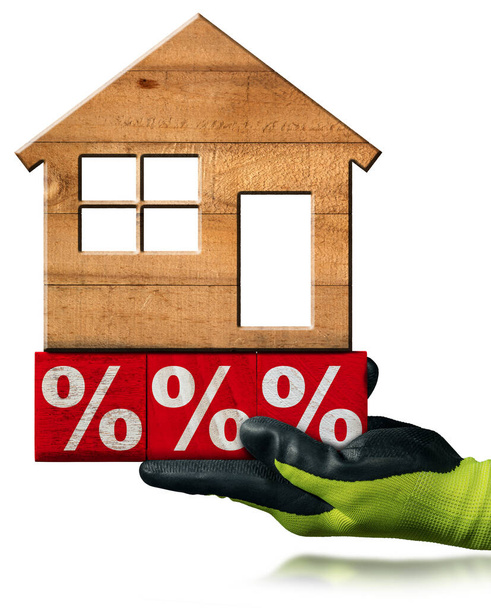
- The Housing Market Rollercoaster: Lower mortgage rates can ignite a housing boom. Homeownership suddenly becomes more affordable, driving up demand and construction. But this frenzy can easily turn into a bubble, with prices soaring dangerously high, only to burst spectacularly.
- Debt Dilemma: Easy credit can be a double-edged sword. While it allows consumers and businesses to refinance existing debt at lower rates, it also encourages further borrowing, potentially leading to a mountain of debt that could become a burden in tougher times.
Historical Echoes: From the dot-com bubble to the 2008 financial crisis and the recent COVID-19 pandemic, we’ve witnessed the dramatic consequences of interest rate cuts firsthand. These historical echoes remind us that while rate cuts can be a powerful tool to steer the economic ship, they are not without their risks. Navigating this complex terrain requires a delicate touch, a keen understanding of the underlying economic forces, and a healthy dose of caution.