


Top Crypto Cold Storage Wallets, Reviewed for 2024
Estimated Reading Time: 5 minutes
Don’t invest unless you’re prepared to lose all the money you invest. This is a high-risk investment and you are unlikely to be protected if something goes wrong. Take 2 minutes to learn more

We’ve all heard tales of extremely cautious individuals who hide their cash under their mattresses on a rainy day. With the highly publicized failures of centralized exchanges, more crypto investors are opting for a similar “off-the-grid” approach by securing their tokens in cold wallets.
In essence, a cold wallet is a crypto version of stashing your money under your mattress, with the added benefit of safeguarding against the typical cyber threats that plague crypto users globally.
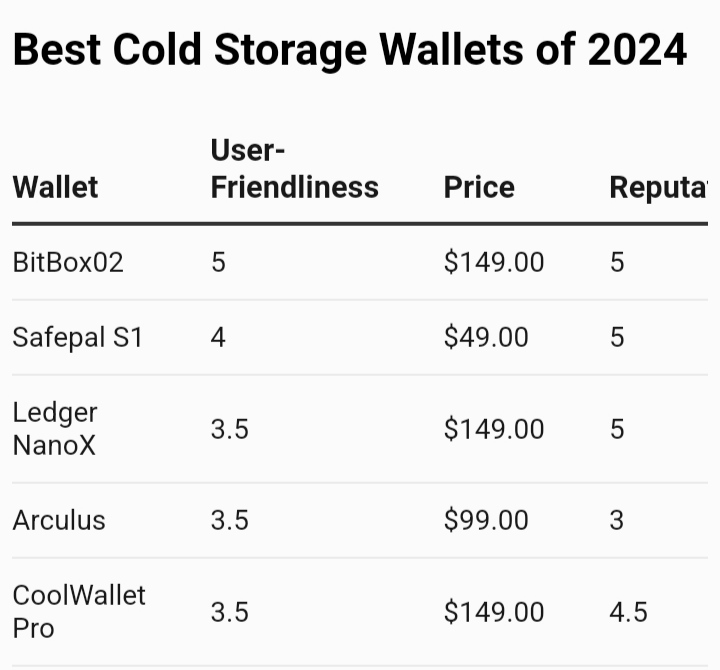
Top Five Cold Storage Wallets for 2024
BitBox02
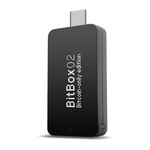
The BitBox02 is available in two versions: a bitcoin-only edition and a multi-coin edition, both priced the same. Each version includes a microSD card for automatic backups. Compatible with Windows, macOS, Linux, and Android, the multi-coin edition supports over 1,500 assets and is priced at $149.
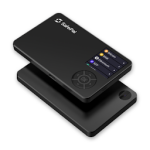
SafePal S1
Endorsed by Binance Labs, the SafePal S1 provides true cold storage with a 100% offline air-gapped signing system, utilizing QR codes without USB, Wi-Fi, Bluetooth, or NFC connections. Compatible with iOS and Android, it’s about the size of a credit card and supports over 30,000 digital assets. At only $49.00, it’s the most affordable hardware wallet available.
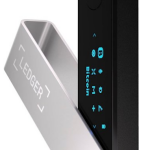
Ledger Nano X
The Ledger Nano X combines secure cold storage with convenient access via the Ledger desktop or mobile app. Priced at $149, it offers excellent features at a reasonable cost. Launched as an upgrade to the popular Ledger Nano S in 2016, the Nano X supports up to 100 apps, features a larger screen, and includes Bluetooth connectivity. It works with Windows, Linux, macOS, Android, and iOS and can store over 1,800 digital assets.
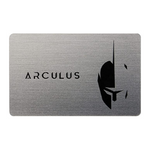
Arculus
Arculus offers an air-gapped solution shaped like a credit card. It features three-factor authentication: a biometric lock, a 6-digit pin, and a tap-to-transact function. Using your smartphone as the interface, provides easier transaction navigation than traditional hardware wallets. Through the Arculus app, users can send, exchange, or swap crypto. It supports popular digital assets like Bitcoin, Ethereum, Litecoin, and USDC. Priced at $99, it is one of the most affordable wallets on the market.
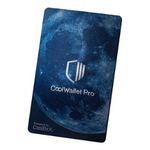
CoolWallet Pro
Designed to fit in any wallet, the CoolWallet Pro is the size of a credit card. Developed by CoolBitX, it connects to Android and iOS devices via Bluetooth. The CoolWallet Pro supports 55 digital assets and is backed by some of the biggest names in the industry. It currently retails for $149.
What is a Cold Storage Wallet?
A cold storage wallet, also known as a hardware wallet, is a physical device that stores your cryptocurrency offline. Unlike “hot wallets,” which are always connected to a crypto network, cold storage wallets do not connect to the internet, thereby greatly reducing the risk of hacking.
However, this added security comes at the cost of responsiveness, as cold wallets do not allow for immediate buying or trading of tokens. A practical approach is to keep the majority of your crypto in a cold wallet for long-term storage while using a hot wallet for day-to-day transactions.

Cold Storage Wallet: Pros and Cons
Cold storage wallets offer numerous benefits compared to their hot wallet counterparts, primarily focusing on security and durability. Here are the key advantages and disadvantages:
Advantages
Ease of Recovery: If you lose your physical wallet, you can regain access to your assets by inputting your seed phrase into another compatible storage device.
Multi-Currency Support: Many cold wallets support over 1,000 different asset types, allowing you to manage various cryptocurrencies from a single device, regardless of the network they operate on.
Enhanced Security: Cold wallets store keys offline, significantly reducing the risk of cyberattacks since transactions do not expose your keys.
Disadvantages
Reduced Convenience: Since cold wallets are offline, they are less convenient for immediate transactions compared to hot wallets.
Cost: Cold wallets typically come with an upfront cost, which might be higher than using free hot wallet services.
Physical Risks: There’s a risk of losing or damaging the physical device, though this can be mitigated by securely storing the seed phrase.
Cold storage wallets strike a balance between security and usability, making them an essential tool for long-term cryptocurrency storage.
Final Words
Always buy cold wallets from the manufacturer or a trusted retailer to avoid counterfeits. Store your wallet and backup codes securely, like in a safe. Keep recovery details private to prevent unauthorized access, and never store them digitally. Write them on paper and keep them in secure locations. Inform a trusted person about these backups for emergencies. These steps reduce the risk of losing access to your cryptocurrency.