
AI Is Reshaping Finance, But the Human Edge Still Matters

  • AI isn’t replacing human finance professionals.

  • AI handles massive data processing, while humans handle strategy, and ethics

  • The future belongs to hybrid professionals, not machines alone.

Artificial intelligence (AI) has sparked excitement, fear, and endless debate across industries. In finance, one question continues to dominate conversations: Will AI eventually replace human professionals?

 While AI is automating many routine tasks and attracting unprecedented investment, industry experts argue that the future of finance isn’t about humans versus machines—it’s about humans working smarter with AI.

The Trillion-Dollar AI Investment Boom

The pace of AI adoption is difficult to ignore. Since the public launch of ChatGPT in late 2022, businesses have poured an estimated $1.5 trillion into AI development and deployment. Technology giants such as Amazon, Microsoft, and Google continue investing heavily in AI infrastructure, collectively planning hundreds of billions of dollars in capital spending to expand their capabilities.

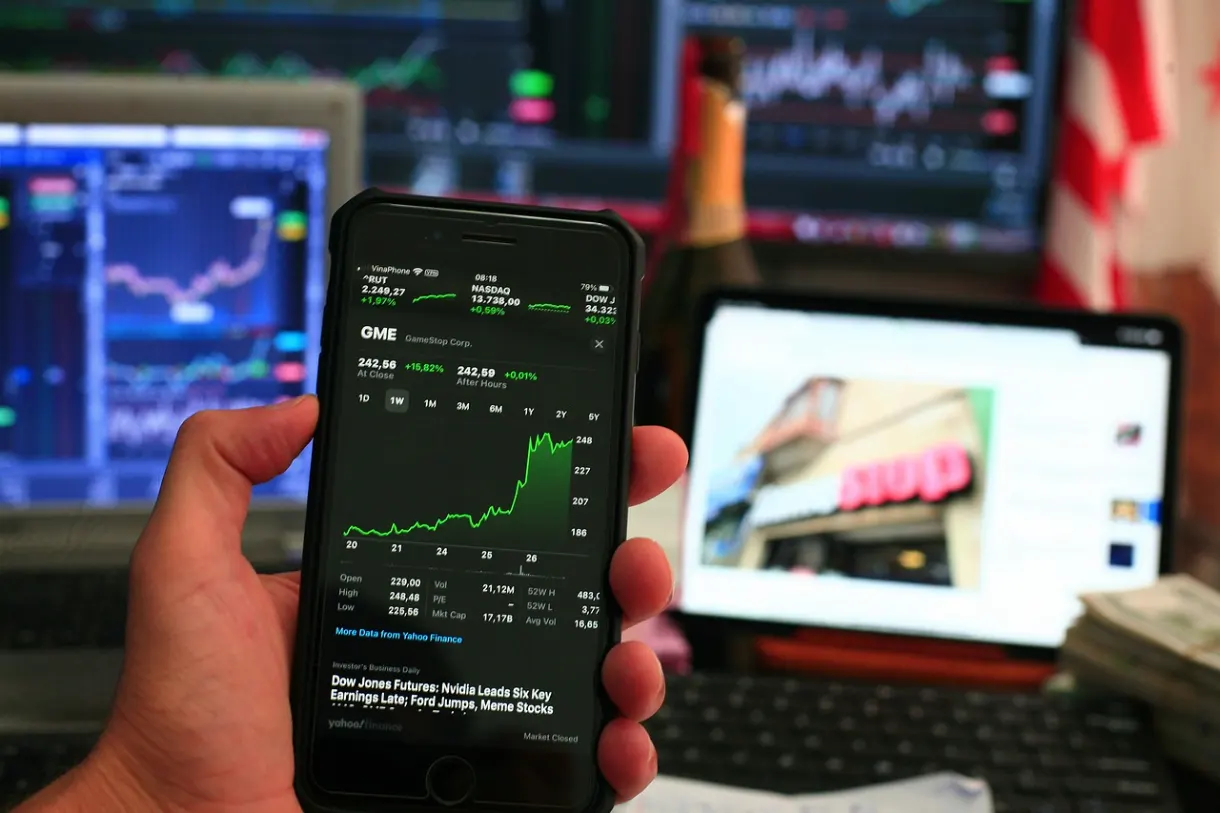
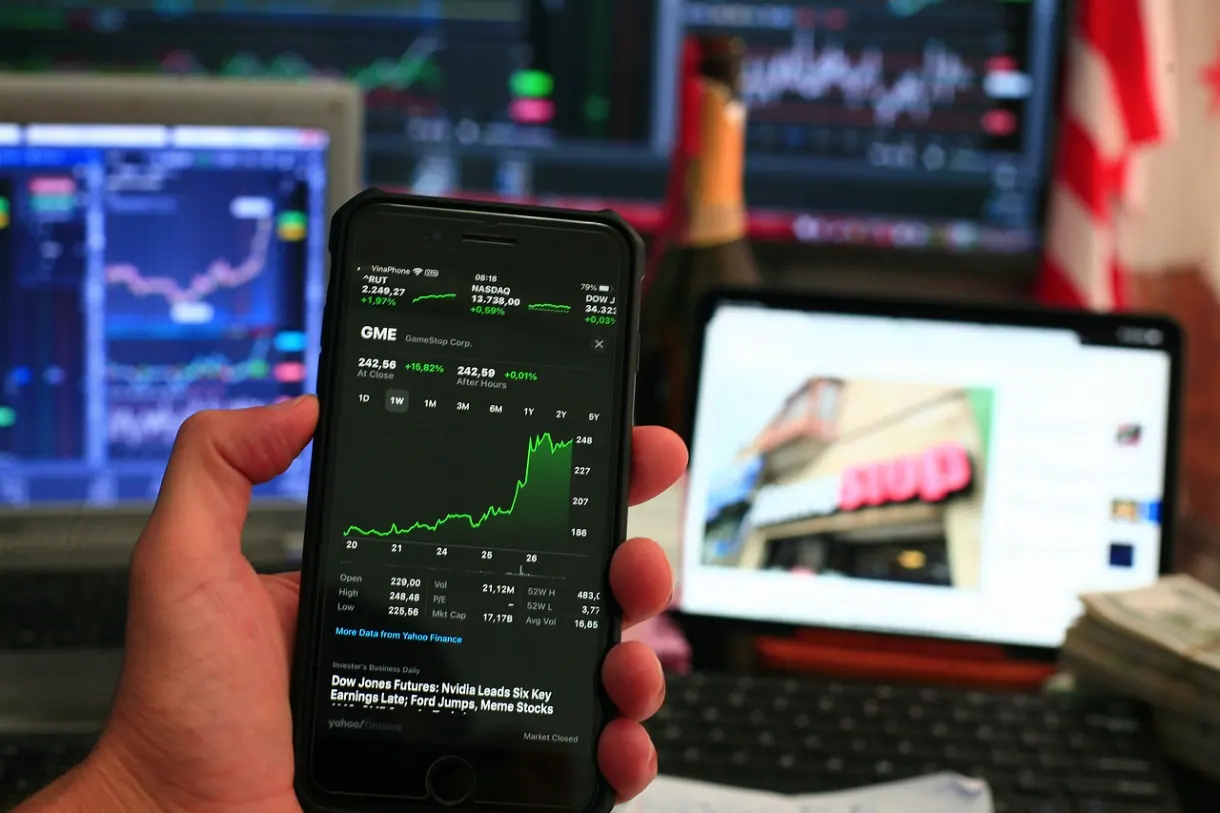
A human making better trading decisions using AI.
A human making better trading decisions using AI. Source: cryptosignals/create.vista.com

This wave of investment reflects a growing belief that AI will become a core technology across nearly every sector, including financial services. Yet, alongside the optimism lies a growing concern: what happens to the people whose jobs are increasingly touched by automation?

AI Is Changing Finance, Not Eliminating It

AI is already proving its value in investment management and financial analysis. Modern AI systems can process enormous volumes of structured and unstructured data in seconds, analyze market sentiment, identify emerging risks, and uncover patterns that would take human analysts much longer to detect.

For investment firms, this translates into faster research, improved portfolio analysis, and better-informed decision-making. In some cases, AI-powered sentiment analysis has even helped portfolio managers identify deteriorating market conditions early enough to adjust their investment strategies before major geopolitical events disrupted global markets.

However, AI’s speed does not eliminate its weaknesses.

Its conclusions are only as reliable as the data it receives. Poor-quality information can produce misleading recommendations, while changing market conditions may reduce the accuracy of AI-generated insights over time. This makes human oversight more important than ever. Financial professionals still play a crucial role in validating AI outputs, interpreting complex situations, and making final investment decisions.

The Future Belongs to Professionals Who Embrace AI

Rather than replacing financial advisors and portfolio managers, AI is increasingly taking over repetitive administrative work. Tasks such as documenting client meetings, updating customer relationship management systems, organizing research notes, and generating reports can now be completed far more efficiently with AI assistance.

This Youtuber shows how AI will not replace humans anytime soon.
This YouTuber shows how AI will not replace humans anytime soon. Source: cryptosignals/YouTube

By removing these time-consuming responsibilities, professionals can devote more attention to areas where human skills remain irreplaceable—building client relationships, providing personalized financial advice, managing emotional decisions during market volatility, and developing long-term wealth strategies.

This shift also changes the skills that finance professionals will need going forward. Understanding financial markets, exercising critical thinking, and verifying AI-generated information will become even more valuable than simply knowing how to operate AI tools. Those who combine technical expertise with sound judgment are likely to thrive in the next generation of finance.

The rapid rise of AI is undoubtedly transforming the financial industry, but the evidence suggests that automation is not signaling the end of human expertise. Instead, AI is emerging as a powerful assistant—one capable of handling data-intensive work while leaving strategy, creativity, ethics, and relationship-building firmly in human hands.

For finance professionals, the question may no longer be whether AI will replace them. The more important question is whether they are prepared to adapt, learn, and use AI as a competitive advantage in an industry that is evolving faster than ever.

Artificial Intelligence is reshaping the Cybersecurity stack

Key Takeaways

  • AI is changing cybersecurity, increasing risks and defenses.
  • Tech firms are building tools to secure AI and software.
  • Cybersecurity is now core to AI infrastructure and investing.

The cybersecurity industry gained significant attention when Anthropic launched Project Glasswing, a controlled cybersecurity initiative built around Claude Mythos Preview. This is the organization’s most version as of the latest. Although Mythos will not be released to the general public, twelve launch partners—including Google, Microsoft, NVIDIA, JPMorgan Chase, AES, and Palo Alto Networks, along with more than forty other organizations—are using it to identify and remediate vulnerabilities in critical software systems. Anthropic has also committed $100 million in usage credits to support the initiative.

Speed has become a critical factor in cybersecurity. Threat actors identify vulnerabilities faster than organizations can fix them, while developers release software faster than security teams can assess it. The rise of AI agents—autonomous programs connected to internal systems, cloud platforms, and databases—is also expanding the attack surface beyond traditional networks to include code, AI systems, and software supply chains.

Palo Alto Networks, a Project Glasswing partner, spoke of this challenge by reporting 26 CVEs accounting for 75 security issues in just a single month, this is beyond its usual monthly average. The company estimates that businesses have only three to five months to stay ahead before similar AI-powered capabilities becoming more available to exploiters.

Meanwhile, CrowdStrike is focusing on securing AI agents as they operate within customer environments. According to its 2026 Threat Report, AI-enabled cyberattacks increased by 89% year-over-year, underscoring the growing need to protect Artificial Intelligence systems as their adoption speeds up.


Computer Screen running an AI project
Artificial Intelligence is reshaping the Cybersecurity stack. Source / Cryptosignals : pixabey

Up Next: Secure Development

AI coding tools have accelerated software development, but they have also increased security risks. As AI agents gain access to internal systems and external tools, organizations require stronger governance frameworks and tighter access controls.

Several companies are working to address this challenge. JFrog has introduced a registry that manages and secures the connectors AI agents use to access external tools and databases. Similarly, Cloudflare has launched Cloudflare Mesh, a solution that enables users, applications, and AI agents to connect to internal systems through secure private networks rather than the public internet.

JFrog believes governance will become increasingly important in an AI-driven world. As AI adoption grows, organizations will require tools for vulnerability detection, identity verification, secure connectivity, and real-time monitoring. Consequently, AI cybersecurity is evolving into a fundamental component of enterprise infrastructure.

AI investor Interracting with program
Artificial Intelligence is reshaping the Cybersecurity stack. Source / Cryptosignals: pixabey

Cybersecurity’s Growing Role in the AI Ecosystem

Within the ROBO Global Artificial Intelligence Index (THNQ), cybersecurity is primarily classified under the Network & Security segment, which accounted for 14% of the index’s industry allocation as of March 31, 2026. However, its influence extends beyond this category into cloud computing, big data and analytics, business process solutions, and semiconductors, highlighting its expanding role within the AI ecosystem.

For investors, the message is clear: while AI is creating new security challenges, it is also strengthening defensive capabilities. Companies that provide solutions for securing software, managing AI agents, and protecting digital connections are positioned to play a vital role in the next phase of AI adoption and growth.

Chasing Perfect Confirmation? It Could Be Quietly Costing You Profitable Trades

  • Too much confirmation can reduce trading profits.
  • Chasing certainty often means missing the best entries.
  • Smart traders balance confirmation with timely execution.

Every trader wants confidence before pressing the buy or sell button. Waiting for one more bullish candle, another indicator crossover, or stronger confirmation can feel like the safest approach. But what if that extra reassurance is actually costing you some of the market’s best opportunities?

In trading, the pursuit of certainty often comes at a hidden price.

When Confirmation Arrives Too Late

Confirmation has become a cornerstone of technical analysis. Traders wait for breakouts to hold, reversal candles to form, or indicators to align before entering a position. The goal is simple: reduce false signals and avoid unnecessary losses.

While this approach can improve confidence, it also introduces a common problem. By the time the market confirms your trading idea, a significant portion of the move may have already occurred.

Due to calculated risk, this trader's investment is growing.
Due to calculated risk, this trader’s investment is growing. Source: cryptosignals/create.vista.com

The favorable entry price is gone, the potential reward has shrunk, and the risk-to-reward ratio becomes less attractive.

Ironically, the confirmation many traders wait for is often evidence that the opportunity has already begun unfolding.

Profit Rewards Calculated Risk, Not Perfect Certainty

The key lesson is not that confirmation is useless, but that no profitable trade comes with complete certainty. Markets reward traders who can identify high-probability setups and manage risk effectively before the crowd gains confidence.

Whether you trade reversals, breakouts, or trends, every position is based on anticipating future price movement. The difference lies in how much uncertainty you are willing to accept.

Traders who enter too early may encounter more false signals, while those who wait too long often sacrifice much of the available profit.

In this YouTube video, it was explained how to make profitable trade entries.
In this YouTube video, it was explained how to make profitable trade entries. Source: cryptosignals/YouTube

The goal is to strike a balance between patience and decisiveness. Instead of seeking perfect confirmation, focus on developing a trading plan that combines sound analysis, disciplined risk management, and clearly defined entry criteria.

This allows you to participate in quality opportunities without relying on absolute certainty—something financial markets rarely provide.

Successful traders understand that consistency comes from managing risk wisely, not from waiting until every doubt has disappeared.

Protecting Oneself from Health and Medical Scams

  • Health scams use fake drugs and websites.
  • Warning signs include miracle cures and no prescriptions.
  • Safety: verify, consult doctors, use trusted pharmacies.

There is a common tactic used by scammers in which they attempt to trick people into buying low-cost drugs. They create fake websites that look like legitimate pharmacies, where individuals can supposedly purchase medications at reduced prices. It is therefore important to understand these scams so that you can recognize them and stay safe.

Definition of Health and Medical Scams

Health scams involve fraudsters attempting to sell products that are claimed to treat a wide range of health conditions. They may even create counterfeit websites to deceive people into purchasing drugs or treatment regimens that either do not work as advertised or do not exist at all. As a result, patients may fail to receive proper diagnosis and treatment from qualified healthcare professionals, which can have serious consequences for their health.

Drugs and Medications
Protecting Oneself from Health and Medical Scams. Source / Cryptosignals : pixabey

Common Health and Medical Scams

Counterfeit Online Pharmacy Scams: In this type of scam, fraudsters create fake pharmacy websites that resemble legitimate retailers. They promise to provide drugs and medications at very low prices and often claim that no doctor’s prescription is required. When people purchase medications from these sites, the products may never be delivered, or they may receive counterfeit or unsafe drugs.

Miracle Cure Scams: Miracle cure scams involve individuals or organizations promoting supposed medical breakthroughs that claim to cure illnesses quickly and effortlessly. These scams often target people suffering from conditions such as cancer, arthritis, diabetes, or influenza. In most cases, the treatments are advertised by people who lack proper medical training or credentials. To gain trust, scammers frequently dismiss established medical advice and invent explanations for why healthcare professionals do not endorse their products.

Common Warning Signs of Health and Medical Scams

  • Online pharmacies sell prescription medications without requiring a valid prescription.
  • Treatments or products are offered at prices that seem unusually low compared to standard market rates.
  • Heavy reliance on testimonials from individuals claiming miraculous recoveries.
  • Requests for large upfront payments before any treatment or product is provided.
  • Promises of rapid, guaranteed cures for serious or chronic health conditions.
  • Requirements to sign lengthy contracts or commit to long-term payment plans to access treatments or products.

Being aware of these warning signs can help you avoid fraudulent health schemes and make informed decisions about your medical care.

Tablet drugs
Protecting Oneself from Health and Medical Scams. Source / Cryptosignals: pixabey

How to Protect Yourself

  1. Do not act in haste. Take time to verify and evaluate health-related claims. One way to do this is by reviewing credible medical research and publications.
  2. If you are unsure about a medical treatment, consult a qualified healthcare professional before making any decisions.
  3. Be cautious of online pharmacies that offer prescription drugs without requiring a doctor’s prescription. Legitimate online pharmacies will always request a valid prescription from a licensed healthcare provider before dispensing medication.
  4. Avoid clicking links in unsolicited emails, social media advertisements, fundraising campaigns, or text messages. Always practice good cybersecurity habits and verify the legitimacy of websites before sharing personal or financial information.

Volume in Crypto Trading: What It Tells You About a Move

Price tells you what happened. Volume helps you understand how much participation was behind it.

In crypto trading, volume is one of the simplest tools for judging whether a move has real strength or whether it may be running on thin air.

What Is Trading Volume?

Volume measures how much of an asset was traded over a period of time. On a chart, volume usually appears as bars below the price candles.

High volume means a lot of activity. Low volume means fewer traders are participating.

Why Volume Matters

A price move with strong volume is usually more meaningful than a move with weak volume. If Bitcoin breaks resistance and volume jumps, it suggests buyers are actively supporting the breakout.

If price breaks resistance on very low volume, the move may be easier to reverse.

Volume does not predict the future perfectly, but it gives context.

Cryptocurrency Signals Monthly
£42
  • 2-5 Signals Daily
  • 82% Success Rate
  • Entry, Take Profit & Stop Loss
  • Amount To Risk Per Trade
  • Risk Reward Ratio
Cryptocurrency Signals Quarterly
£78
  • 2-5 Signals Daily
  • 82% Success Rate
  • Entry, Take Profit & Stop Loss
  • Amount To Risk Per Trade
  • Risk Reward Ratio
Cryptocurrency Signals Yearly
£210
  • 2-5 Signals Daily
  • 82% Success Rate
  • Entry, Take Profit & Stop Loss
  • Amount To Risk Per Trade
  • Risk Reward Ratio
arrow
arrow

Breakouts Need Volume

One common use of volume is breakout confirmation. When price moves above resistance or below support, traders want to see participation increase.

A breakout with rising volume suggests the market agrees with the move. A breakout with falling volume can be a warning sign.

This is especially important in altcoins, where low liquidity can create sharp but unreliable moves.

Volume and Reversals

Volume can also appear near turning points. A large volume spike after a long downtrend may show panic selling or capitulation. If price then holds above support, it can suggest sellers are exhausted.

On the other hand, a huge volume spike into resistance after a long rally may show late buyers chasing the move while larger players sell into strength.

Context is everything.

Low Volume Warnings

Low volume markets are risky. Spreads may be wider, slippage can be worse and price can move sharply with smaller orders.

If a coin has very low volume, even a good-looking chart setup may be difficult to trade safely.

This is one reason many beginners are better off focusing on liquid coins first.

telegram

Free Crypto Signals Channel

More than 50k members
Technical analysis
Up to 3 free signals weekly
Educational content
telegram Free Telegram Channel

Volume Is Not Enough Alone

Volume should not be used by itself. A volume spike does not automatically mean buy or sell. It should be combined with support and resistance, trend, candle structure and broader market conditions.

Think of volume as confirmation, not a complete strategy.

The Bottom Line

Volume in crypto trading helps you judge the strength behind a price move.

Look for volume confirmation on breakouts, be careful with low-volume coins and always read volume in context. When price and volume agree, the signal is usually stronger.

Need help applying this to live market conditions? Get instant access to our VIP trading signals here.

The Complexity Tax: Indicators May Be Bleeding Your Account

  • Traders often assume complex strategies equal better results, but extra variables just create decision paralysis.
  • Raw price action is the most honest market signal; stacking indicators only adds unprofitable noise.
  • Simplicity leaves nowhere to hide, forces discipline, and protects your capital and sanity.

Ever looked at a trader’s screen and seen so many charts, squiggly lines, and flashing indicators that it resembles a neon-lit Christmas tree? It looks impressive. It looks sophisticated. It looks like the setup of a financial genius about to crack the market’s secret code.

It is also a fast track to burnout and bankruptcy.

In financial markets, there is a dangerous misconception that a more elaborate system yields better results. Traders—especially those eager to find their footing—layer indicator upon indicator, convinced that added variables equal added precision. But in reality, complexity doesn’t sharpen your edge. It dulls it.

Every extra rule you add is a tax you pay in mental clarity, discipline, and psychological steadiness.

The Noise Machine

The more variables you juggle, the slower your decision-making becomes. When it is time to execute a trade, a complex system forces you to weigh too many conflicting inputs. One indicator says buy, an overlay says wait, and a conditional rule says hesitate. This analytical paralysis breeds doubt at the exact moment you need to act.

Furthermore, the further you move away from raw price action, the more truth you lose. Price is the ultimate reality; it already reflects the collective expectations of global market participants. When you stack derivatives of indicators on top of each other, you aren’t gaining precision. You are just amplification noise. The core signal gets weaker the more you process it.

The Illusion of Superiority

Why do we do this? Often, it stems from a psychological need to feel smarter than the market. Traders trick themselves into believing that with just one more refinement, they will uncover a hidden pattern everyone else missed.

A number of indicators on the screen.
A number of indicators on the screen. Source: cryptosignals/create.vista.com

Consider the reality: you are competing against institutional giants wielding billions in capital, cutting-edge AI, and armies of PhD analysts. The idea that adding a few more lines to a retail charting platform will reveal a secret they overlooked is pure fantasy. It mirrors the internet contrarians who convinced themselves they knew more about epidemiology than global scientists.

Markets do not reward you for looking clever. They reward execution.

The Power of the Stripped-Back System

History consistently favors the minimalist. Take the famous Turtle Trading experiment. It didn’t succeed because of complex mathematical modeling; it succeeded because of simple breakout rules, strict position sizing, and fierce discipline. Simpler systems endure because they are harder to overfit to past data, easier to execute under pressure, and highly adaptable when market conditions inevitably shift.

Stripping back your framework is uncomfortable because simplicity leaves nowhere to hide. If a simple system fails, you can’t blame a miscalibrated indicator or a conflicting signal. The responsibility lands squarely on you. Complexity is often just a psychological safety blanket—an excuse waiting to happen so you can say “the model was wrong.”

If you want to survive the markets, stop paying the complexity tax. Keep price central, minimize your rules, define your risk upfront, and protect your sanity.

Disclaimer:
This article is for informational purposes only and does not constitute financial, investment, or trading advice. The views expressed are based on publicly available data, market observations, and the author’s interpretation at the time of writing. Cryptocurrency markets are highly volatile and unpredictable, and past performance or current technical setups do not guarantee future results. Readers should conduct their own research and consult with a qualified financial advisor before making any investment decisions. Cryptosignals does not accept liability for any losses incurred based on the information presented.

Trading Setbacks and Five Ways of Handling Them

Key Takeaways:

  •  Setbacks are normal: Every trader experiences drawdowns, and learning to manage them is key to long-term success.
  • Keep perspective: Short-term losses matter less when viewed against long-term market performance and real-life impact.
  • Stay future-focused: Maintain a long-term mindset, learn from recoveries, and use setbacks to improve instead of losing direction.

Following the heavy crashes in the financial markets, particularly in stocks and cryptocurrencies, many traders have recorded significant losses. As such, this may be the right time to discuss how to manage setbacks like these.

In this context, a trading setback occurs when, for example, you buy a stock or cryptocurrency at $100 and, after two weeks, it rises to $120, giving you a profit of $20. However, after some time, the profit declines from $20 to $10, leaving your investment worth $110. While you are still in profit, part of your gains has been lost.

Nobody likes to experience setbacks, but they are inevitable in trading. Most of the time, investments do not rise continuously to new all-time highs. As a result, traders will often encounter situations where profits decline or positions move against them. Therefore, one must learn how to manage such situations or reconsider participating in the market.

Trading chart in a trend pullback
Trading Setbacks and Five Ways of Handling Them. Source: Cryptosignals / pixabey

Navigating the Inevitable Downsides of Trading

Below are some ways of weathering the inevitable storms of trading setbacks.

1. Take a Broader View: A drawdown can be frustrating, but it helps to zoom out and focus on the bigger picture. A 10% decline may feel significant, yet long-term investments like the S&P 500 have historically delivered strong growth over time. Viewing losses within a broader context can make them easier to handle and prevent overreacting to short-term market movements.

2. Reframe the Situation: Losses are never pleasant, but ask yourself whether the drawdown has truly affected your daily life. In most cases, the impact is limited to your trading account. Keeping the setback in perspective can reduce stress, prevent emotional decisions, and help you stay focused on future opportunities rather than past losses.

Trading chart
Trading Setbacks and Five Ways of Handling Them. Source: Cryptosignals / pixabey

3. Maintain a Long-Term Perspective: During periods of setbacks, it is important to keep your long-term trading goals in mind. Even in business, setbacks occur, but they do not mean that long-term objectives cannot be achieved. With a solid plan, patience, and consistent effort, setbacks can be overcome, and success can still be attained.

4. Reflect on the Past: When experiencing a setback, it can be helpful to look at previous market declines. For instance, Bitcoin has experienced pullbacks of more than 50% in the past, while the S&P 500 has also undergone numerous corrections of 10% or more. Reflecting on these events helps put current setbacks into perspective and reminds traders that market declines are not unusual. More importantly, many of these markets eventually recovered and moved on to new highs.

5. Accept It and Keep Moving Forward: Every trader experiences losses and drawdowns, regardless of skill level or experience. Even top traders and successful funds go through periods of decline. Accepting this reality is essential for long-term success.

Dwelling on losses can lead to emotional decisions or hesitation, causing you to miss valuable opportunities. Instead, acknowledge the setback, learn from it, and stay focused on your trading process. Don’t let past losses control your future actions—move forward with confidence.

Happy Trading, and Remember to Take Care of Your Health!

Disclaimer:
This article is for informational purposes only and does not constitute financial, investment, or trading advice. The views expressed are based on publicly available data, market observations, and the author’s interpretation at the time of writing. Cryptocurrency markets are highly volatile and unpredictable, and past performance or current technical setups do not guarantee future results. Readers should conduct their own research and consult with a qualified financial advisor before making any investment decisions. Cryptosignals does not accept liability for any losses incurred based on the information presented.

Support and Resistance in Crypto: How to Find Key Levels

Support and resistance are two of the most useful ideas in technical analysis. They help traders understand where price has reacted before and where it may react again.

In crypto, where volatility is high, key levels can make the difference between a planned trade and a random entry.

What Is Support?

Support is an area where buyers have previously stepped in. Price falls into the zone, demand increases and the market bounces.

Support does not have to be a perfect line. It is often better to think of it as an area. Crypto wicks can be aggressive, so exact levels may get briefly pierced before price recovers.

Cryptocurrency Signals Monthly
£42
  • 2-5 Signals Daily
  • 82% Success Rate
  • Entry, Take Profit & Stop Loss
  • Amount To Risk Per Trade
  • Risk Reward Ratio
Cryptocurrency Signals Quarterly
£78
  • 2-5 Signals Daily
  • 82% Success Rate
  • Entry, Take Profit & Stop Loss
  • Amount To Risk Per Trade
  • Risk Reward Ratio
Cryptocurrency Signals Yearly
£210
  • 2-5 Signals Daily
  • 82% Success Rate
  • Entry, Take Profit & Stop Loss
  • Amount To Risk Per Trade
  • Risk Reward Ratio
arrow
arrow

What Is Resistance?

Resistance is an area where sellers have previously appeared. Price rallies into the zone, supply increases and the market struggles to move higher.

When resistance breaks with strength, it can become support later. This is called a support-resistance flip.

How to Find Key Levels

Start with higher timeframes such as the daily or 4-hour chart. Mark obvious swing highs, swing lows, consolidation zones and areas where price reacted multiple times.

The more times a level has mattered, the more traders are likely watching it.

Do not clutter the chart with too many lines. If every price is a level, no level is useful.

Using Levels for Entries

Traders often use support for long entries and resistance for short entries. But the level alone is not enough. It helps to wait for confirmation.

Confirmation might include a strong candle reaction, increased volume, a reclaim of the level, or a failed breakdown.

For example, if ETH pulls into support and prints a strong bullish reaction, that may offer a cleaner setup than buying randomly in the middle of a range.

telegram

Free Crypto Signals Channel

More than 50k members
Technical analysis
Up to 3 free signals weekly
Educational content
telegram Free Telegram Channel

Using Levels for Stops

Support and resistance also help with stop placement.

If you enter long at support, your invalidation may sit below that support zone. If price breaks and holds below it, the original trade idea may no longer be valid.

This gives the trade structure. You are not just hoping. You know where you are wrong.

Beware of Fakeouts

Crypto loves fakeouts. Price may break above resistance, attract breakout buyers, then reverse back below the level. The same can happen below support.

This is why volume, candle close and market context matter. A clean close above a level is stronger than a quick wick through it.

The Bottom Line

Support and resistance help crypto traders identify important zones on the chart.

Use them to plan entries, stops and targets. Treat them as areas, not magic lines. And always remember: levels are useful, but confirmation makes them stronger.

Need help applying this to live market conditions? Get instant access to our VIP trading signals here.


Is Sandwich Trading Smart Strategy or Market Exploitation?

  • blockchain trading tactic that exploits pending transactions to profit from short-term price movements on decentralized exchanges.

  • Traders place buy and sell orders around a victim’s trade, “sandwiching” it to capture value from the forced price shift.

  •  While considered a trading strategy, it is widely viewed as MEV exploitation that results in worse trade execution for unsuspecting users.

Imagine placing a buy order on a decentralized exchange, only to discover you paid more than expected—not because the market suddenly moved, but because someone saw your transaction before it was confirmed and traded around it. 

This practice, known as a sandwich attack, sits in one of crypto’s biggest gray areas. Some view it as a sophisticated trading strategy powered by blockchain transparency, while many others see it as an unfair tactic that quietly extracts value from unsuspecting traders. 

Understanding how it works is the first step toward avoiding becoming its next victim.

This YouTube video explains activities of the Sandwich trading bot.
This YouTube video explains activities of the Sandwich trading bot. Source: cryptosignals/YouTube

How Does a Sandwich Attack Work?

A sandwich attack begins when an automated bot scans the blockchain mempool for large pending transactions that are likely to move an asset’s price. Once it spots a suitable target, the bot quickly places a buy order ahead of the victim’s transaction, causing the token’s price to rise.

When the victim’s order is eventually processed, it executes at this inflated price, meaning they receive fewer tokens or pay more than expected. Immediately afterward, the bot sells the tokens it purchased earlier, locking in a profit from the temporary price increase it helped create.

In simple terms, the attacker profits by exploiting the price movement triggered by another trader’s transaction, while the unsuspecting trader bears the extra cost

Types of Sandwich Trades

  • Simple Sandwich Attack: The attacker targets a single pending transaction. They place a buy order just before it executes and a sell order immediately after, capturing a fast profit from the victim’s price impact.

  • Complex Sandwich Attack: High-speed trading bots target multiple pending transactions simultaneously. By stacking layered orders around a cluster of victims, attackers amplify price shifts to maximize profits across a broader range.

MEV exploiting trading positions.
MEV exploiting trading positions. Source: cryptosignals/create.vista.com

Risks Involved in Sandwich Trading

Although sandwich trading may look profitable on paper, it carries several serious risks that can quickly erase gains or lead to losses.

Execution Risk
Timing is everything. If the attacker’s transactions are not executed in the correct order, the strategy fails. A slight delay can cause the trade to become unprofitable or even result in losses.

High Competition
Sandwich opportunities are often detected by multiple bots at the same time. This creates intense competition, where only the fastest and most efficient systems succeed, leaving others with failed or front-run trades.

Gas Fee and Cost Pressure
On networks like Ethereum, high transaction fees can significantly reduce profit margins. In some cases, gas costs may exceed the profit gained from the sandwich trade.

Slippage and Price Reversal
Market conditions can shift unexpectedly. If the price moves against the attacker after entry, the expected profit disappears, or the position may close at a loss.

Transaction Failure Risk
Pending victim transactions may be canceled, replaced, or delayed. When this happens, the entire sandwich setup collapses mid-execution.

Regulatory and Ethical Risk
While not always clearly illegal, sandwich trading is widely considered a form of market exploitation (MEV activity). This exposes participants to future regulatory restrictions or platform-level bans as DEXs develop anti-MEV protections.

Protection Against Sandwich Attacks

Protecting against sandwich attacks mainly involves reducing how visible and predictable your transactions are before they are confirmed.

One effective method is using low slippage tolerance when placing trades. This limits how much price movement you accept, making it harder for bots to exploit your order.

Traders can also use MEV-protected or private transaction routes, which prevent pending transactions from being exposed in the public mempool where bots typically operate.

Avoiding large, sudden market orders and instead using smaller or split trades can also reduce the chance of being targeted.

In addition, some modern wallets and DEX aggregators now include built-in protections that detect and reduce exposure to sandwich attacks.

In essence, the goal is simple: reduce visibility, reduce predictability, and reduce exploitable trade size.

This X post explains the process of sandwich attacks.
This X post explains the process of sandwich attacks. Source: cryptosignals/X

Key Takeaway

Sandwich trading exploits transaction transparency for profit at the expense of regular traders. While technically sophisticated, it is a form of value extraction that sits in a gray area between efficiency and exploitation.

As blockchain ecosystems evolve, new defenses are emerging to counter these practices. Ultimately, awareness is a trader’s best defense—understanding how sandwich attacks work is essential for avoiding them and making more informed trading decisions.

Disclaimer:
This article is for informational purposes only and does not constitute financial, investment, or trading advice. The views expressed are based on publicly available data, market observations, and the author’s interpretation at the time of writing. Cryptocurrency markets are highly volatile and unpredictable, and past performance or current technical setups do not guarantee future results. Readers should conduct their own research and consult with a qualified financial advisor before making any investment decisions. Cryptosignals does not accept liability for any losses incurred based on the information presented.