


As an exchange built to execute trades entirely on-chain, Hyperliquid integrates features such as lightning-fast order execution, deep liquidity, and a non-custodial trading environment, ensuring that no intermediary stands between traders and their positions.
The platform supports perpetual markets based on foreign exchange (FX), equities, commodities, and indices. Through HIP-3, developers can launch perpetual markets tied to real-world assets (RWAs). Hyperliquid also supports HIP-4, enabling fully on-chain prediction markets where traders can speculate on the outcomes of real-world events.
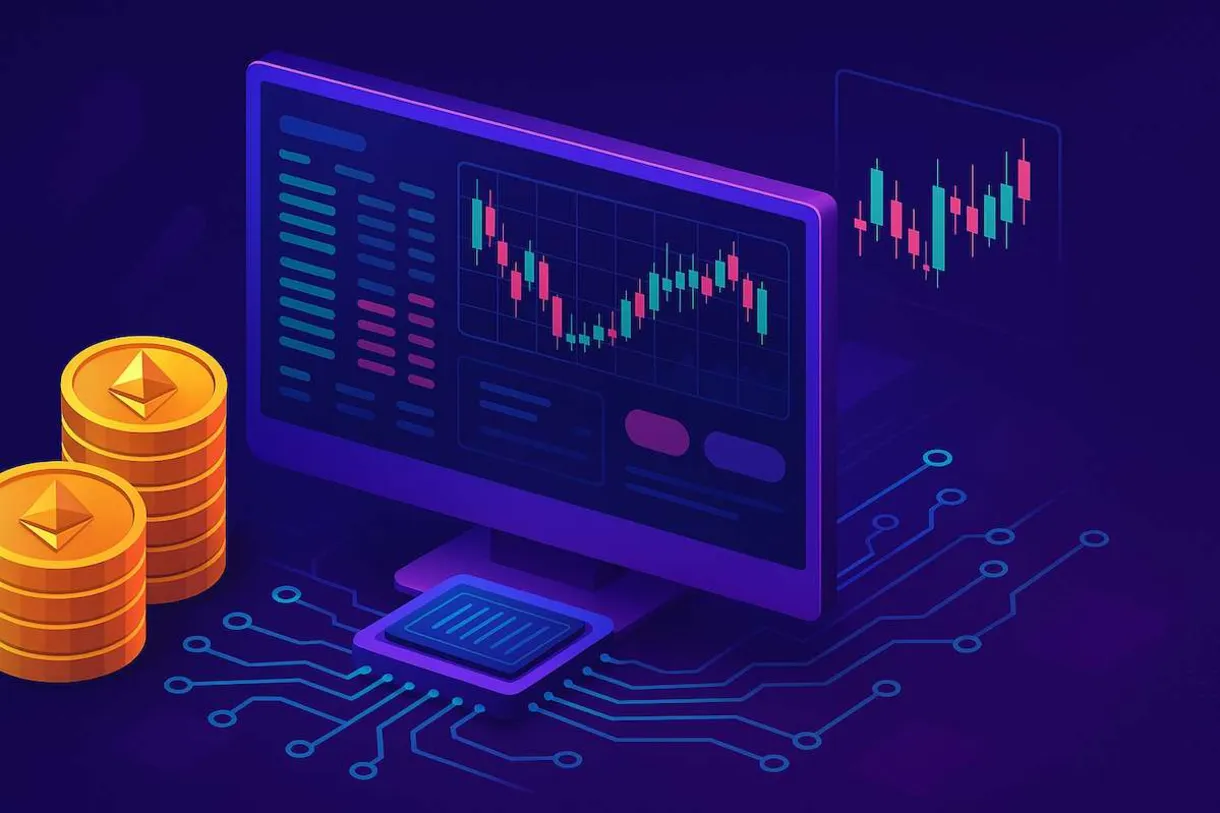
Hyperliquid Trading Activity Now Available on Dune
Hyperliquid (HyperCore) has recorded an impressive $1.43 trillion in trading volume so far this year, spanning more than 785.6 million trades. This extensive on-chain activity is now available through a professional-grade analytics dashboard on Dune, providing users with deeper insights into market performance and trading behaviour.
Institutional-Grade Insights for Every Trading Team
The newly available dataset enables quantitative and systematic trading firms to analyse order flow, trade executions, funding rates, liquidations, and prediction market activity to develop sophisticated cross-market trading and risk management strategies. At the same time, research and strategy teams can monitor HIP-3 real-world asset (RWA) positions, open interest, funding trends, and trading volumes, providing a real-time view of trader sentiment across perpetual markets linked to equities, commodities, indices, and other tokenised real-world assets.
Dune’s HyperCore Analytics Capabilities
The dataset delivers comprehensive insights into every major aspect of the Hyperliquid ecosystem. It covers both perpetual and spot markets, including order placements, trade executions, order cancellations, TWAP orders, leverage usage, margin positions, funding rates, and newly launched markets.
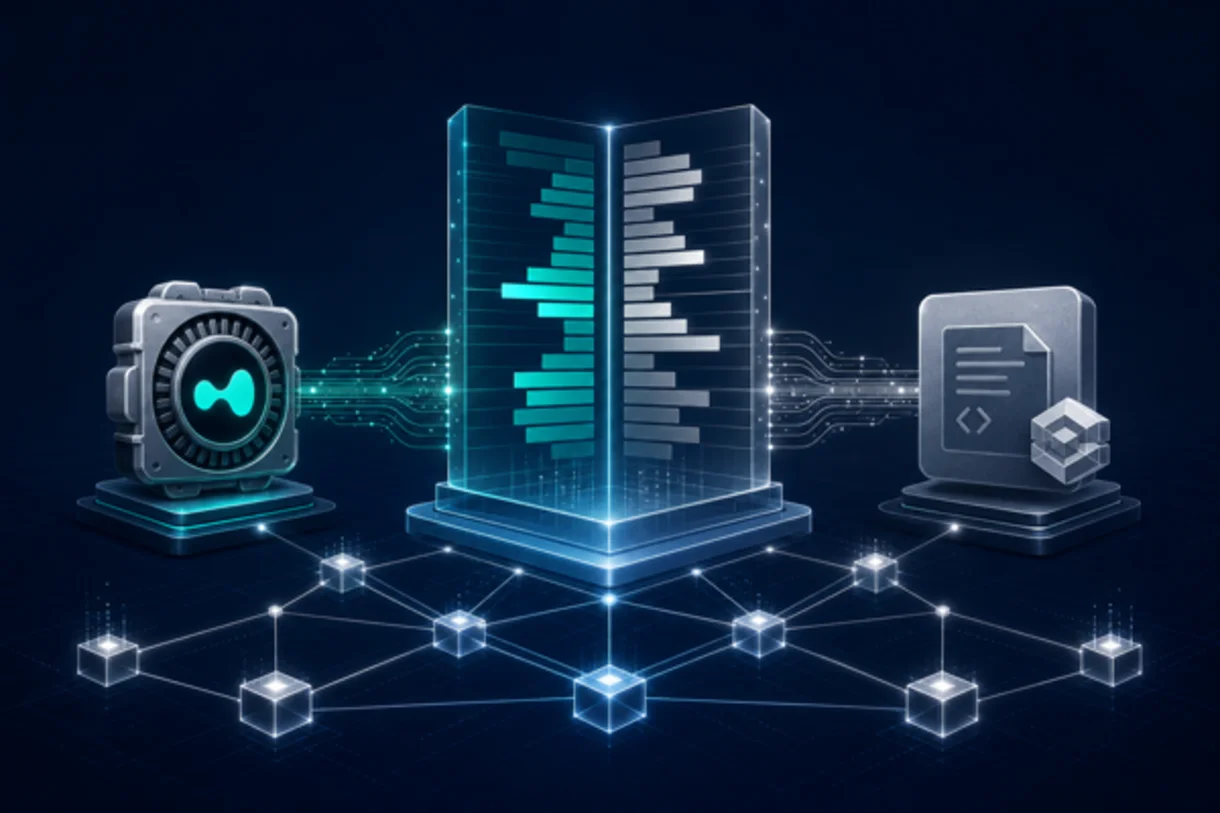
Users can also monitor live Level 2 (L2) order book updates alongside one-minute market depth snapshots for a clearer understanding of market liquidity. Every trade execution is recorded with detailed information, including price, trade size, order side, fees, and realised profit and loss (PnL).
In addition to trading, the dataset also keeps track of account and network activities like moving assets, taking money out, actions in sub-accounts, transactions in vaults, approving tokens, referrals, changes in balances, liquidations, staking, and delegating to validators. It also includes HIP-4 prediction market data, covering market definitions, outcomes, and governance voting records.
When users put this data together with the current HyperEVM dataset on Dune, they can follow all activities in the Hyperliquid ecosystem—from how smart contracts work on HyperEVM to the order book where trades are completed. This end-to-end visibility provides traders, analysts, and institutions with a comprehensive view of on-chain market activity.

 Free Telegram Channel